

Do You Have to Vent a Shower Pan Drain?

Every plumbing fixture in your house needs to connect to a plumbing vent pipe. If it doesn't, the fixture’s drain will not function correctly, which may lead to a dangerous situation in your house. Your local building codes have specific requirements for the size and exact placement of vent pipes for the shower and other fixtures in your house.
Sewer Gas Venting
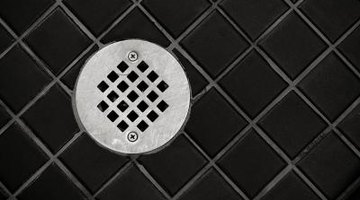
Your house’s drainpipes may have sewer gases in them at any given time. These gases may seep into the pipes from the sewer drainpipe connection, making their way up the drainpipes in the house. Waste in the drainpipes may also produce sewer gases, which become trapped in the drainpipes. The plumbing vent pipes provide a way to exhaust the sewer gases out of the drainpipes so the gases do not flow into the house.
Sewer Gas Risks
Sewer gases not only smell bad, they can also be dangerous. Exposure to the different gases may cause you to feel faint, dizzy or nauseous. In some cases, exposure to sewer gases may cause a person to faint or to die from a lack of oxygen. Sewer gases may also contain hydrogen sulfide or methane, both of which may ignite or explode when exposed to a spark or an open flame. If you think you smell sewer gas in your house, you need to limit your exposure to the gases until you have a professional examine the cause of the sewer smell.
Air Equilibrium
A vent pipe helps all of the drains and the drainpipes in your plumbing system flow smoothly. As you wash waste water down the drainpipes, that water may wash air in the drainpipes out of the plumbing system. The plumbing vent pipes replace the lost water in the drainpipes by pulling air from the outside into the pipes. Without new air coming into the pipes, the water in the traps in the plumbing fixtures may be pulled down the drainpipes. Without water in the trap pieces, the sewer gases in the pipes may flow up through the fixtures’ drain openings.
Vent Location
Plumbing vent pipes connect to the drainpipes in your plumbing system, typically at the branch pipes. Multiple drainpipes feed into a larger drainpipe called a branch pipe, which then flows into the sewer drainpipe that connects to the sewer system. The vent pipe runs vertically from the branch pipe up through the roof of the house, where the pipe opens into the outside atmosphere.
References
Photo Credits
- Jupiterimages/Photos.com/Getty Images
More Articles

