Are Birds of Paradise Poisonous?

Are Birds of Paradise Poisonous? thumbnail
Bird of paradise plants are attractive, but toxic if consumed.

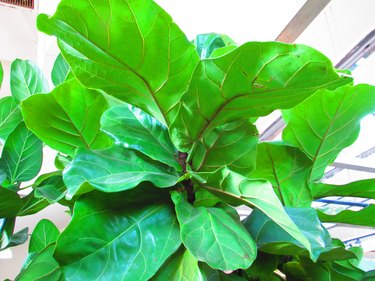
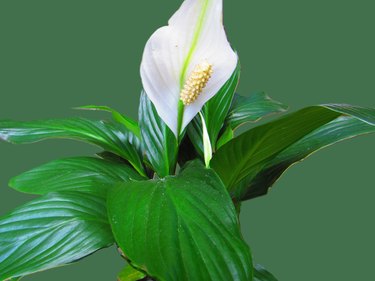
The bird of paradise is a plant that originally came from South Africa and thrives in warm climates. The flower of the plant, also known as the crane flower, resembles a bird in flight. The bird of paradise plant is considered to be mildly toxic for both humans and animals. Does this Spark an idea?

  1. Tannin

    • The seeds of the bird of paradise contain a toxin called tannin. Tannin is a natural type of plant polyphenol and responsible for binding and precipitating proteins in the plant's seeds. According to Cornell University, tannin also serves as a type of defense mechanism for plants, protecting the bird of paradise against herbivores, omnivores, pathogens and poor environmental conditions. Animals and humans consuming plants or plant matter containing high levels of tannin will often experience a bitter or astringent flavor. The tannin content may cause the animal or human to have trouble digesting the plant or become ill.

    Hydrocyanic Acid

    • Hydrocyanic acid is present in the leaves of the bird of paradise plant. Hydrocyanic acid is also known as Prussic acid or cyanide and, if consumed in large quantities, can be extremely toxic to humans and animals. The bird of paradise plant contains a relatively low amount of hydrocyanic acid, but consumption of even a low amount may cause illness.

    Symptoms

    • If you or one of your pets have consumed the toxic parts of a bird of paradise plant, you may experience one or more symptoms of bird of paradise poisoning. Symptoms include diarrhea, nausea, breathing problems, drowsiness, vomiting, difficulty swallowing, a burning sensation in the mouth or tongue and stomach irritation. In high doses, hydrocyanic acid consumption may also cause excitement, drooling, trouble walking or standing, rapid breathing and muscle tremors. In very high quantities, hydrocyanic acid poisoning can be fatal.

    Toxicity

    • The bird of paradise plant is toxic to a number of mammals, including dogs, cats, rabbits and humans. The severity of the poisoning will be determined by how much of the plant the animal or person consumes relative to the size of the animal or human. Small pets or children are more likely to suffer negative side effects from consuming part of a bird of paradise plant than are larger animals or adults.

Related Searches:

References

  • Photo Credit Jupiterimages/Photos.com/Getty Images

Comments

Related Ads

Featured