How to Grow Okra

Okra is a North African native, so it's no wonder it craves heat. That plus its good looks and distinctive taste have made it a staple in Southern gardens since the 1600s. North of the Mason-Dixon line, give it some coddling and expect smaller yields. Does this Spark an idea?

Things You'll Need

  • Bypass Pruners
  • Cloches
  • Compost Makers
  • Fertilizers
  • Floating Row Covers
  • Garden Spades
  • Garden Trowels
  • Mulch
  • Plants
  • Seeds
Show More

Instructions

    • 1

      Choose a site that gets full sun and where the mature plants won't shade shorter crops (okra can grow up to 6 feet tall). It does well in any pH from 6.0 to 8.0 but needs light, fertile soil. Till deeply and add well-composted manure to provide plenty of nitrogen.

    • 2

      Sow seeds outdoors in mild climates when the soil temperature has reached 65 degrees F. (If the soil is any cooler, the seeds will rot.)

    • 3

      Buy started plants, or start seeds indoors in peat pots four to six weeks before the last expected frost in cooler regions.

    • 4

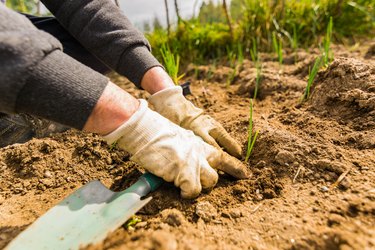
      Harden off seedlings, whether homegrown or store-bought, and plant them two to three weeks after all danger of frost has passed and the soil temperature is at least 65 degrees F. Add a half-shovelful of bonemeal or compost to each planting hole.

    • 5

      Cover transplants with cloches or floating row covers to protect them from the cold, and provide at least an inch of water a week. Wait until the soil has warmed thoroughly before you add mulch.

    • 6

      Start picking okra when the pods are 2 to 3 inches long and still soft - usually about four days after the flowers fade. If you wait much longer, the pods will turn fibrous and inedible.

Tips & Warnings

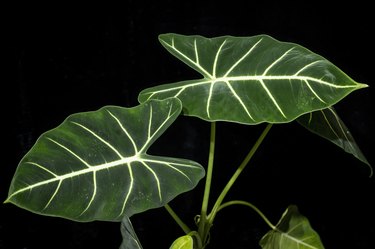
  • Okra's stunning foliage and bell-like yellow flowers with red centers make it a natural for an ornamental garden. For container planting, choose a compact variety such as the 3-foot 'Blondy'.

  • Good early-maturing varieties for Northern gardens include 'Blondy' (48 days), 'Annie Oakley' (45 days) and 'Cajun Delight' (50 days).

  • Okra doesn't like to have its roots disturbed. If you buy plants, make sure they're growing in peat pots or other containers that can go directly into the ground.

  • Some people develop a rash from okra leaves, so you may want to wear long sleeves and gloves at harvesttime.

  • Bees and other insects cross-pollinate okra with abandon. If you want to save seeds that will produce what you expect to get, stick to one variety.

Related Searches:

Comments

You May Also Like

  • How to Plant and Grow Okra

    Okra is a unique vegetable that is really a seed pod. Okra is used in a variety of recipes including gumbos and...

  • Growing Okra

    Growing okra in full sun to partial shade works very well. Learn how to grow okra in your vegetable garden in this...

  • How to Boil Okra

    Boiling okra is often required as part of a larger recipe--or you can eat boiled okra alone. It's truly up to you....

  • How to Grow Okra Indoors

    Okra is usually grown outdoors in climates that are warm and sunny. In other climates, okra can be grown indoors to provide...

  • How to Grow Okra in a Container

    Okra is a nutrient-packed vegetable used in many recipes. It also helps thicken stews, soups and gumbos. Originating in Africa more than...

  • How Long Does Okra Take to Grow?

    Okra is a pod vegetable related to hibiscus and hollyhock. The plants grow 3 to 6 feet tall and have prickly hairs...

  • How to Grow Okra in the Home Garden
    Okra is warm weather loving plant that is also sometimes called ladies fingers or gumbo. The plant produces long slim pods with...

  • How to Grow Okra

    Okra is a heat-loving plant that is very tolerant of the cold and best planted after the last danger of frost has...

  • How to Grow Clemson Spineless Okra

    Okra is a large summertime plant that grows well in gardens throughout the country. Clemson Spineless okra is a particularly fast-growing cultivar...

  • How to Grow Okra (Hibiscus esculentus)

    Okra, or Hibiscus esculentus, is typically easy to grow in home gardens. This warm-season, annual plant came to America with the African...

  • How to Plant Okra in Pots

    Add drama to your patio garden with potted okra plants. Okra can grow as high as six feet tall with a spread...

  • How to Grow Okra From Seeds

    Okra, also known as gumbo, is a warm-weather vegetable that thrives in the long, hot summers of the southern United States. Although...

  • How to Cook Woody Okra

    Okra is considered woody when it has passed the ripe stage and becomes dry and tough. Okra turns woody quickly, so it's...

  • How to Grow Okra in a Pot

    You may be one of many who avoid okra because of how it becomes slimy after cooking, or you may see this...

  • How To: Companion Planting With Okra Plants

    Okra, a key ingredient in gumbo, is a summertime plant that grows tall, annual bushes. These bushes require warm-weather starts and frost-free...

  • How to Plant Lady Fingers

    Lady fingers--also known as okra--get their name from their tapered appearance, which resembles human fingers with pointed nails. This plant originated in...

  • How to Care for an Okra Plant

    Okra is commonly thought to be a Southern plant because it thrives in hot weather. However, okra will tolerate most climates as...

  • How to Grow Okra in Michigan

    Okra is primarily a Southern plant. It grows well in warm weather, and each plant can produce three dozen okra pods in...

Related Ads

Featured