How To

How to Care for Hemorrhoids Postpartum

Contributor
By eHow Contributing Writer
(8 Ratings)

Due to the incredible pushing involved in bringing forth a new life, many women suffer from hemorrhoids postpartum. A consistent daily regimen of nutrition, good hygiene and exercise can help reduce hemorrhoid occurrence and discomfort.

Difficulty: Moderately Easy
Instructions

Things You'll Need:

  • Inflatable Pillows Ring
  • Blow Dryers
  • Obstetrical Sanitary Napkins
  • Witch Hazel Pads
  • Water Bottles
  1. Step 1

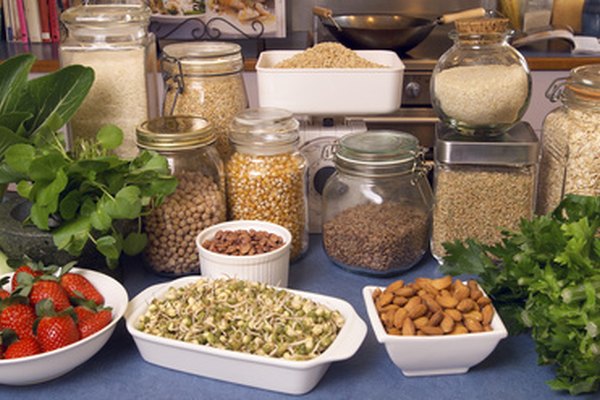
    Avoid constipation. Eat a diet high in fiber and whole grains. Eat plenty of fresh fruit and vegetables. Drink 8 to 10 glasses of water a day. Exercise, even if it is just a brisk 10-minute walk. If all else fails, ask your healthcare provider about stool softeners.

  2. Step 2

    Place hemorrhoid pads on your sanitary napkin. Witch hazel is the main ingredient in most hemorrhoid pads and helps decrease swelling in skin tissue. Put 3 to 5 pads onto your sanitary napkin so they are right against your rectum and change them as often as you change the napkin. Use hemorrhoids pads in place of toilet paper if using toilet paper is too painful.

  3. Step 3

    Cleanse your rectal area thoroughly after each bowel movement. Use a peri-bottle after you have a bowel movement. Your birthing facility should provide you with one, but if they don't you can buy one at a pharmacy. It is simply a squirt bottle you fill with lukewarm water. Squirt the water on your anus after you have a bowel movement. Pat the area dry, or air-dry if it is too sensitive to use toilet paper, or use hemorrhoid pads to cleanse the rectum.

  4. Step 4

    Air-dry your rectal area. When you have privacy, lie on your bed without panties or the sanitary napkin. Place towels under you to absorb any vaginal discharge and layer towels if the discharge is heavy. Lie with your knees bent and feet flat. Let your rectum dry naturally or hold a hair dryer 10 to 12 inches away on the lowest setting. A hair dryer will speed the drying and the heat will feel good.

  5. Step 5

    Alternate between sitting and walking. Walking can be good exercise to increase blood flow and speed healing, but don't overdo it in the first weeks of recovery. If you start to feel pain, change your position.

  6. Step 6

    Sit in a warm bath 3 or 4 times a day. Most birthing facilities will provide you with a sitz bath that will rest on a toilet seat or you can buy one from a pharmacy. You may also soak in a warm tub, but get the advice of your doctor first. The warm water will soothe the rectal area and help to cleanse your hemorrhoids.

  7. Step 7

    Apply a topical spray to your hemorrhoids. Some facilities or doctors will provide you with numbing spray or other hemorrhoid topical creams and give you a prescription for refills. You can also buy an over-the-counter version of topical spray or hemorrhoid creams at the pharmacy. Ask your doctor or midwife for advice on which products are most effective.

  8. Step 8

    Sit on a pillow or inflatable ring. Again, you may be given a ring from your birthing facility and they are available at most pharmacies. Sit only for short periods of time, as the ring can decrease blood circulation to the rectal area and slow healing.

  9. Step 9

    Apply ice or heat. Some women swear by ice packs, others need the heating pad. Alternate between ice and heat to find what works best for you.

  10. Step 10

    Do Kegel exercises. Your perform Kegels by simply tightening your pelvic floor muscles. Pretend as if you are trying to stop a stream of urine. Do 10 to 12 Kegels every time you feed the baby to increase blood flow in the rectal area. Not only will you decrease your risk for hemorrhoids, but you'll also be strengthening the muscles in your pelvic floor and vaginal area.

Tips & Warnings
  • Avoid lifting heavy objects, as this will put strain on your rectal area. If you have to pick up your children, do a Kegel, hold it and then lift. Remember to lift using your legs and not your back and buttocks.
  • Consult your doctor or midwife if attempts to alleviate pain and discomfort do not work. Surgical procedures can remove hemorrhoidal tissue from the rectum.

Comments  

Anonymous

Anonymous said

Flag This Comment

on 11/22/2005 A great help for me was a coat hanger! Instead of holding the fluid bag myself, I put a hanger through the hole at the top of the bag, then hung it on the shower curtain rod! My arm didn't go to sleep anymore!

Post a Comment

Post a Comment

Have you done this? Click here to let us know.

I Did This

Related Ads

Copyright © 1999-2009 eHow, Inc. Use of this web site constitutes acceptance of the eHow Terms of Use and Privacy Policy.   en-US

Live Strong Partner
Livestrong_eHow Health