
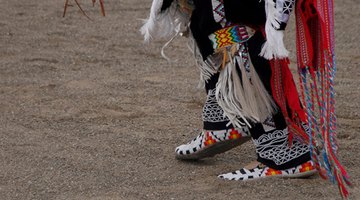


Cherokee is a language spoken by about 22,000 people today, most of whom live in Oklahoma and North Carolina. According to the Native Languages website, Cherokee is more properly known as Tsalagi. There are multiple online resources to help you learn Tsalagi for free, and they include learning the syllabary, grammar lessons, and words and phrases. Less than 5 percent of Cherokee children are raised bilingually currently, and this language, although one of the most widely-used Native American languages still used, is in danger of becoming obsolete.
Step 1
Learn the Tsalagi system of writing which is called a syllabary, in which each symbol represents a syllable instead of a letter. The Native Languages website has several resources to help you learn Tsalagi symbols. YouTube also has videos of the syllabary. Search for "learn Cherokee," or "learn Tsalagi."
Step 2
Work through free online Tsalagi language lessons found on the Native Nashville Tsalagi Tutor website. There are several lessons in Tsalagi on this page for beginner Tsalagi students to learn. Lessons are grouped by themes such as small talk and food. It also includes a pronunciation guide.
Step 3
Join an online discussion group devoted to the Cherokee language. You will meet others dedicated to learning Tsalagi online. You will be able to further your knowledge of the language by having email or live discussions with other students in Tsalagai.
Related Articles



References
Writer Bio
Leyla Norman has been a writer since 2008 and is a certified English as a second language teacher. She also has a master's degree in development studies and a Bachelor of Arts in anthropology.