

How to Curve a Wooden Retaining Wall

Retaining walls in a landscape make a steep area more manageable, increase planting opportunities and limit erosion. One relatively affordable and easily utilized retaining wall material is treated timber. In many situations, the retaining wall consists of only one side or multiple sides that meet at 90-degree angles. But there are times when a retaining wall that curves is desirable. This curving is accomplished my making angled cuts at the ends of sections of timber. The timber ends must be cut so that they fit snugly against each other, and they should be treated with preservative.
Step 1
Lay the timbers out in their relative positions or make detailed plans that include the angles at which timbers meet. Draw straight lines where the timber ends meet at the angle that reflects the overlap.
Step 2
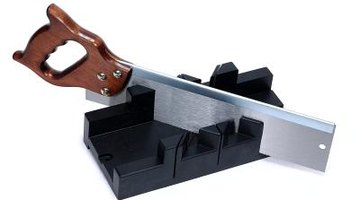
Cut one end of the first timber at the planned angle and drawn line. If there is a large enough miter box and saw available, you can make a precise score or cut at the desired angle on opposite sides of the timber. Make the cut through the timber with a chainsaw, adequately large circular saw or other cutting tool. Wear safety glasses and ear protection and follow safe operating procedures.
Step 3
Draw a guideline for a cut on the timber that will be installed next to the cut timber. Use the piece of timber that was cut off or the miter box as a guide to make sure that the ends will fit against each other.
Step 4
Cut the second timber on the drawn line.
Step 5
Fit the lengths of timber together, ensuring that the ends fit tightly against each other. Make any necessary corrective cuts.
Step 6
Continue cutting timber ends and making sure that the ends fit together until the timbers, for at least one course if not the entire wall, are cut to the correct size and are ready to have their cut ends treated with preservatives.
Step 7
Treat the vulnerable ends of the timbers with a suitable spray- or brush-on preservative or sealant. Follow manufacturer directions when applying the preservative to determine the best application method and the amount of time needed for the preservative to dry before the timbers can be handled or placed to form the wall.
Step 8
Build the retaining wall in the same way that a regular timber retaining wall with only one side or sides that meet at 90 degree angles is built.
Writer Bio
Angela Ryczkowski is a professional writer who has served as a greenhouse manager and certified wildland firefighter. She holds a Bachelor of Arts in urban and regional studies.
Photo Credits
- Jupiterimages/Photos.com/Getty Images
More Articles

