
Stoichiometry is a type of math associated with chemistry. In stoichiometry, you perform calculations pertaining to moles (the basic unit of weight in chemistry), masses and percentages. A stoichiometric ratio shows the relationship between the elements or moleclues present in an equation. These proportions convey the necessary quantities of certain elements in order for chemical reactions to occur. For instance, when hydrogen and oxygen combine at the proper ratio and under the proper circumstances, the individual elements are transformed into a combination we know as water.
Observe the numbers that are written in a reaction equation. For instance, you may have a combination of carbon dioxide and water as such: (3)CO2 + (4)H2O Notice the three and the four, which indicate the numbers of moles for each molecule.
Set the numbers in a ratio sentence: 3:4
Simplify the numbers by dividing: 3 / 4 = 0.75
Apply your answer from Steps 2 and 3: The ratio between carbon dioxide moles and water moles in this reaction is three to four (3:4), which means that for every 0.75 moles of carbon dioxide, you must have one mole of water for the reaction to occur. You could also state it in the following terms: For every one mole of carbon dioxide, you must have 1.33 moles of water (as determined by the equations 1/x = 3/4; x = 4/3).
References
About the Author
Charlotte Johnson is a musician, teacher and writer with a master's degree in education. She has contributed to a variety of websites, specializing in health, education, the arts, home and garden, animals and parenting.
Photo Credits
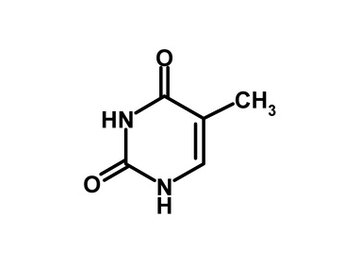
thymine - DNA image by Cornelia Pithart from Fotolia.com