How to Defrost Scallops

How to Defrost Scallops thumbnail
Scallops, like other shellfish, require a slow defrosting for best results.

Freezing scallops locks in their natural flavor, but before cooking these delicate mollusks, you must thaw them. Scallops come in two basic sizes based on the type. Bay and calico scallops average 60 to 90 scallops per pound. These thaw faster than larger sea scallops, which require only 20 to 40 to make a pound. Avoid getting into a hurry when defrosting scallops; when they are frozen, the water in their cells also freezes. If you thaw scallops too quickly, the cell walls maintaining the structure of the scallop will burst, creating a mushy mollusk. Does this Spark an idea?

Instructions

    • 1

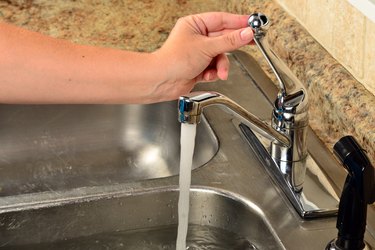
      Fill the sink with cold water.

    • 2

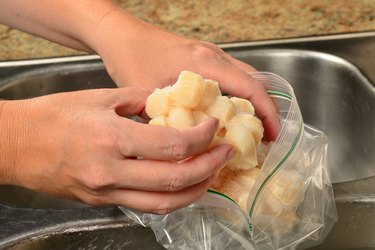
      Place the scallops in a resealable plastic bag and close it.

    • 3

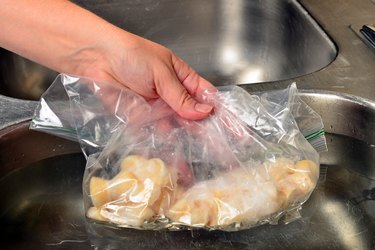
      Submerge the scallops in the sink for one hour or until pliable. Alternatively, arrange the frozen scallops on a microwave-safe plate. Microwave them on the low or defrost setting on your microwave in one minute increments until the scallops become pliable but are still slightly icy. Larger sea scallops or Nantucket bay scallops will take twice as long to thaw as the half-sized bay or calico scallops.

    • 4

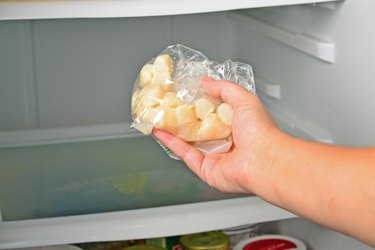
      Refrigerate the frozen scallops for up to 12 to 24 hours before cooking.

    • 5

      Cook the defrosted scallops and do not refreeze them.

Related Searches:

References

  • Photo Credit Jupiterimages/Comstock/Getty Images

Comments

You May Also Like

  • How to Defrost Sea Scallops

    Scallops are a delicate mollusk harvested in both the Atlantic and Pacific oceans. The most common types of scallops are the sea...

  • How to Cook Scallops in the Oven

    Scallops hot from the oven are a tasty addition to your table. This simple, but delicious recipe is easy to follow and...

  • How Do I Fry Bay Scallops?

    Bay scallops are small, usually less than ¾" in diameter. They are sweeter, richer and typically cost more than other types of...

  • How to Thaw Sea Scallops

    A scallop, like an oyster, is a mollusk with a strong muscle for opening and closing its shell. As with oysters, the...

  • How to Defrost a Turkey

    During Arctic expeditions, explorers can spend hours simply melting enough permafrost to yield drinkable water-so what makes you think you can defrost...

  • How to Freeze Sea Scallops

    Scallops are one of the most popular types of mollusks, tender to the touch with a mildly sweet undertone to its taste....

  • How to Defrost or Thaw Meat Without Using a Microwave

    You can also defrost meat in a cold water bath. Fill a bowl with cold water and place the frozen package of...

  • How to Cook Frozen Sea Scallops

    Frozen sea scallops are generally the only choice for purchasing for those who do not live near a seaport or in a...

  • How to Recognize a Bad Scallop

    Fresh scallops are a delicious and healthy food. But like any seafood, scallops are prone to spoilage. It's good to be sure...

  • How to Freeze Scallops After Cooking

    Scallops are a very versatile mollusk, widely enjoyed because of their sweet taste and soft texture. They can be substituted for shrimp...

  • How to Cook Bay Scallops

    There are two different kinds of scallops, bay scallops and sea scallops. The sea scallop is the larger of the two. There...

  • How to Pan Fry Scallops

    Pan fried scallops may be one of the most delectable foods to have come out of the ocean, but when prepared badly,...

  • How to Thaw Frozen Rice

    Many cooks choose to save time by cooking large batches of food on the weekend and freezing individual portions for homemade frozen...

  • How to Cook Frozen Scallops

    Frozen scallops are a treat for those who don't live near the coast where they are available fresh. Most frozen scallops are...

  • Instructions for Cooking Scallops

    Scallops are prized for their light, sweet flavor. Though fresh scallops are found in coastal areas more often than inland areas, modern...

Related Ads

Know Your Knives: Josh Ozersky’s Comprehensive Guide

I have a lot of knives. You probably do too. I really don’t know what to do with them all. There’s a Chinese cleaver, aï؟½

Featured