How to Care for Apricot Hibiscus
Hibiscus divaricatus "Apricot Mist" is native to Australia and occurs on plants smaller than many other hibiscus species. Like other varieties, the Apricot Mist is a shrub, but rarely grows taller than 6 feet. Its flowering period also lasts longer than other types of hibiscus, although the plant is similar to Hibiscus heterophyllus. Suited to smaller gardens and containers, the Apricot Mist hibiscus is seldom without blossoms, according to the website Hibiscus.org. Another variety of apricot hibiscus is the "Apricot Brandy" hibiscus, which is a double flowered, medium-sized hybrid of two unknown varieties. Does this Spark an idea?
Things You'll Need
- Compost
- Shovel
- Container with drainage hole
- Potting soil
- 20-5-20 plant food
- Insecticidal soap (optional)
Instructions
-
-
1
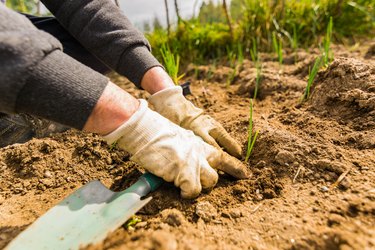
Plant your apricot hibiscus in spring, in a sunny spot with fertile, well-drained garden soil. Add 1-part organic compost with every 4 parts of soil to improve soil drainage and fertility. Because this plant is frost tender, you might choose to grow it in a container if you live in an area with cool winters. Use a 12-inch pot with a drainage hole. Fill it with standard potting soil and move your plant indoors in fall.
-
2
Water in-ground and container plants well after planting. For in-ground plants, run a garden hose at a medium drip at the base for 15 to 20 minutes. For container plants, flood with water until it runs out the drainage hole. Maintain soil moisture until the plant begins to send out healthy new growth, and then water when the soil becomes dry.
-
-
3
Fertilize your apricot hibiscus frequently between spring and fall: use a plant food with an N-P-K ratio of 20-5-20 and repeat your application once every week or two. Follow product label instructions.
-
4
Inspect your apricot hibiscus plant for insect pests periodically. Aphids and spider mites are common pests that can affect your plant's health by sucking fluids from it. Showering your plant with warm water once a week can help to keep these pests away.
-
5
Spray your apricot hibiscus with insecticidal soap if an insect infestation becomes severe. Repeat your application every other day, according to product instructions, until all signs of the pest are gone.
-
6
Water your hibiscus more frequently if it begins to develop yellowing leaves. Insects can also cause this condition, so treat them with insecticidal soap if they appear to be present.
-
1
Tips & Warnings
Spider mites do not respond well to pesticides containing imidacloprid.
References
- Photo Credit Medioimages/Photodisc/Photodisc/Getty Images