Things You'll Need:
- Asthma Medications
- Peak Flow Meter
-
Step 1
Try not to panic. This will cause your muscles to get tense, your bronchial tubes to spasm, and your breathing to become shallow and fast.
-
Step 2
Begin pursed-lip breathing. (See below.)
-
Step 3
Use your peak flow meter to check the severity of your attack.
-
Step 4
Use your inhalant - generally two puffs of a beta agonist every 20 minutes.
-
Step 5
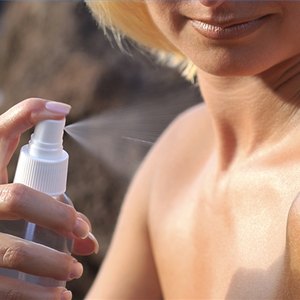
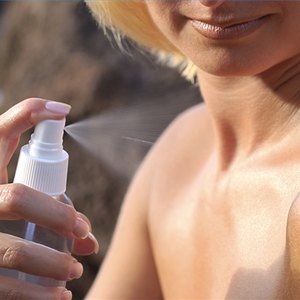
Get away from triggers such as pet dander, smoke, cold air and perfume.
-
Step 6
Assess your response to treatment. Good response is a mild cough or wheeze; fair response is a marked cough and wheeze and mild use of rib and neck muscles to breathe. Poor response is a severe cough and wheeze, an inability to talk, and blue lips and nail beds.
-
Step 7
Use your asthma medications as ordered by your doctor. Usually, the doctor will have given you exact instructions on what medicines to use during an attack. Generally, when you've had a good response, continue treatment with nebulizer every four hours. For a fair response, begin an oral steroid burst. For poor response, start an oral steroid burst and call your doctor or go to the emergency room.
-
Step 8
Follow the medication instructions carefully to reverse the bronchospasms.


Comments
wickedheart said
on 11/3/2008 Since i leave in a home with lots of animals, dogs, cats and birds. It gets hard for me to follow any of ur advice. What usually works for me is a pill called bronkaid or an machine with saline solution. Because proventil aggitates my heart so much it feels like it takes me longer to breath.
Anonymous said
on 8/29/2006 All though I am only 16, I know how to deal with a big attack. Many times I was caught off guard with a heavy attack maybe outside far from my house without any means of getting home to my meds I left there. If this happens, then:
1. Stop what you are doing even if it’s important.
2. Don’t stress out calm down think of some thing to calm you down.
3. Explain to whom ever you are with what is going on.
4. Think of the fastest way of getting home.
5. Avoid stress from the background, like; loud dogs, heavy traffic, stress full places.
6. If you can drink plenty of water, but not cold water, this only makes it worse (for me it does) if you can sip warm water for a while.
7. Don’t run to get home this of course will make everything a lot worse.
8. Make it a first thing to sit and relax when you get home ask someone to get you the meds you need.
9. if you cant get home and in less then 1 hour and the attack is really bad then ask any where (bar, store, office) or anyone to use a phone if they have one explain what is happening to them, I am shore they will let the "phone for customers only" thing pass that time.
10. talk as little as you can, talking is hard work on the muscles in the neck and tenses it up some times.
11. If it's cold then stay warm don’t let your jacket stay open while you walk.
11 If it’s too hot out then drink allot and stay cool over heating will make things worse.
12. Remember this stuff, if you forget it when this happens, this info will be useless to you.
Anonymous said
on 8/8/2006 1. Calm down.
2. Get an inhaler or machine.
3. Mix the chemicals in the machine.
4. If it doesn't work, go to the hospital for shots to help you breathe.
5. Try to stay away from perfumes and smoke.
Anonymous said
on 8/8/2006 1. Calm down.
2. Take deep breaths.
3. If the air is cold, cover yourself with a blanket, or try to go somewhere where it is warm.
4. Administer whatever medication your doctor has prescribed to you.
Anonymous said
on 11/22/2005 1. The effects of a steamy room can actually make it much harder to breathe. It is almost like a myth gone bad in the home medical world. It does have some practical use, but not with steam from a shower. The circulating steam lacks oxygen, and the thick air is hard to process. The machines that create a super fine mist are good, but the best benefit is to help bring moisture to the lungs and break-up the snot in the lungs so one can hack it up. Clearing the lungs and there by making it easier to breath.
Instead I suggest a full body bath (adults shower or bathe), in the safest, warmest temperature water possible. The purpose of this is to clean off all the allergens, particularly on the face and it will warm the body relaxing the whole body, muscles, and the tension in the lungs. Also, a warm and comfortable body can breath better, because it alleviates stress from the whole body allowing it focus on the problem area. Then re-dress in fresh, clean clothes and cover them with a light blanket if it's not too hot for one. Give the blanket and clothes a good shake to remove any or as many loose fibers and allergens as possible. Make sure the clothes fit loose around the chest and whole body, right down to the socks on the feet. This will keep circulation at its best and add another element of relaxation for the body.
If you can't bathe just then, give their face and hands a good wash with warm water. This will be a nice helper till you can give them the full deal.
2. During a difficult breathing time, it is important to keep pressure of the lungs. Any added pressure on the lungs will exhaust and make them work harder. So don't lay them flat on their back or on their chest. Instead cradle them like they are sitting in a Lazy-boy chair with their head tilted back (ever so slightly) to help open the air passage. This more up-right position can help to reduce the body weight on the lungs. Sometimes laying on the side can be comforting as well. You may want to see if they respond to that if keeping them up-right becomes difficult.
3. Keep them very hydrated at all times. I know babies can get dehydrated easily, but a dehydrated body can quickly find itself with breathing difficulties. This is the number one preventative step.
4. Keep them away from perfumes, smoke, makeup and any other unnatural substance. Don't use cleaning products near them, and remove any scented candles and air fresheners. Inhaling cat or dog hair can be hard for tired lungs to deal with, so do what you can to eliminate them. And of course keep the animals away from them till they are feeling better.
5. Wash all blankets and clothes with All free and clear allergen fighter laundry detergent. Recommended #1 by dermatologists.
6. Don't give them any dairy foods, because it will add mucus to the breathing passage.
7. If you can afford to get them one of those Ionic Breeze things, then get one. For the obvious reasons.
8. If you are outside in the elements, and the air is very cold, it can be soothing for a few minutes. But any more time than that and the asthma is likely to get worst. The body will start to get stressed as it tries to fight the cold.
9. In my experience, when it comes to taking medicine, get through the small attacks as best you can without the medicines. The attacks will become less and less over time and the body will learn to manage them better. I was hooked on my inhaler and slowly weaned myself off of it. Now I only use it for major attacks. It's hard, but well worth the benefit. It can be dangerous, so use common sense. Don't try this with your baby or young children!
10. Keep a strong mind, because for a large number of sufferers it is a matter of mind over matter. I think most of us can remember feeling fine, having a great day and then stopping to think about the inhaler you left at home. All of a sudden - here comes the attack.