How to Ferment Beets

How to Ferment Beets thumbnail
Kvas, or fermented beet juice, is used to make borscht.

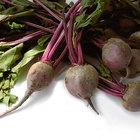
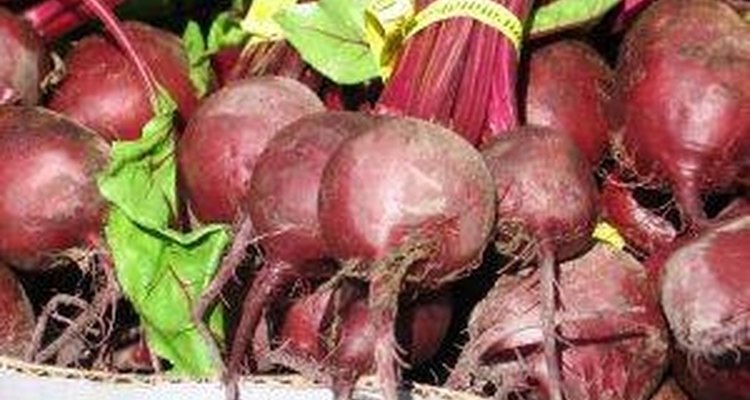
Beets are a traditional staple food in eastern Europe, since they grow easily and keep well in storage over the winter. In eastern Europe, Russia in particular, they are often fermented in a brine solution and kept in crocks. The beets themselves are eaten as pickles, and the fermented beet juice, called kvas in Russian, is used as a central ingredient in borscht (beet soup). If you want to make borscht completely from scratch, prepare fermented beets at home. It only requires a few kitchen tools and basic ingredients. Does this Spark an idea?

Things You'll Need

  • Beets
  • Vegetable peeler
  • Knife
  • Sieve
  • Water
  • Pot
  • Earthenware crock
  • Lid or aluminum foil
  • Cheesecloth
  • Large bowl
Show More

Instructions

    • 1
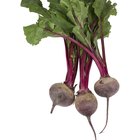
      Chop or slice the beets.
      Chop or slice the beets.

      Peel three beets for one cup of fermented beet mixture using a vegetable peeler. Then, with a knife, chop them into 1 inch cubes, or slice them. Some recipes advise that you cook the beets before placing them in the crock for fermenting, but most basic recipes do not require this.

    • 2
      Pour lukewarm water over the beets.
      Pour lukewarm water over the beets.

      Place the cubed beets in a sieve and place the sieve in the sink. Run cold water over the beets and wash them thoroughly. Meanwhile, measure out about 5 cups of water and place in a pot. Heat the water on the stove until it is lukewarm (about 105-115 degrees F). Take the water off the stove and pour it carefully into the crock, over the beets. The water should only reach about 2 inches above the level of the beets.

    • 3
      You can use aluminum foil in place of a lid.
      You can use aluminum foil in place of a lid.

      Put the lid on the crock. If it does not have a lid, cover with a piece of aluminum foil. Put the crock in a warm place. Traditionally, the crock would be put near the kitchen stove. Let the crock sit at room temperature for between three and seven days, or until the liquid is sour and has a pickled taste.

    • 4
      Line a sieve with cheesecloth to strain the kvas.
      Line a sieve with cheesecloth to strain the kvas.

      Line a sieve with a double layer of cheesecloth and place the sieve over a large bowl, if you only want the fermented beet liquid (kvas). Open the earthenware crock and carefully pour the fermented beet mixture through the cheesecloth. The kvas can be stored in well sealed jars. The beet chunks can be stored in separate jars and eaten, or else discard them.

    • 5
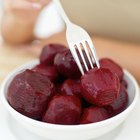
      The fermented beets can be stored in the refrigerator.
      The fermented beets can be stored in the refrigerator.

      Take the filled crock and remove it from the warm place when it has fermented thoroughly, if you want to keep both the liquid and the beets. Place the crock, still sealed, in a cool dark place such as the refrigerator; this will stop the fermentation. It will keep for several months.

Related Searches:

References

  • Photo Credit John Foxx/Stockbyte/Getty Images Jupiterimages/Brand X Pictures/Getty Images Jupiterimages/Photos.com/Getty Images Comstock Images/Comstock/Getty Images Jupiterimages/Creatas/Getty Images

Comments

You May Also Like

  • Fermentation of Sucrose & Yeast

    The fermentation of yeast is used to make bread and alcohol. A sugar needs to be present for the fermentation process to...

  • How to Make Pickled Beets

    Unlike most recipes for pickled beets, this one doesn't make a truckload of them at a time and you can use fresh...

  • How to Ferment Cheese

    Mankind has fermented milk into cheese for thousands of years. There are a wide variety of cheeses in the world. The easiest...

  • How to Make Beet Borscht

    You May Also Like. What is Borscht Made With? Borscht has become popular as a traditional Russian dish, but this beet soup...

  • Soup Varieties

    Soup Varieties. For all kinds of weather, and for any bodily ailment, there's a soup. In blustery winter, stews warm and fill....

  • How to Pickle Corn in a Crock

    The United States is the largest producer of corn in the world, so it is no surprise that this hearty vegetable is...

  • How to Pickle Green Beans in a Crock

    Green beans are among the many vegetables that hold up well to the process of pickling. Green beans are usually fresh-pack or...

  • How to Ferment Soybeans

    Fermented soybeans, also called natto, are a traditional Japanese dish commonly eaten for breakfast. Natto contains the high protein found in soybeans...

  • How to Ferment Vegetables

    Fermented vegetables have been eaten by humans around the globe for thousands of years and provide numerous health benefits in addition to...

  • How to Make Brine Pickled Eggs

    Pickled eggs are a classic bar favorite with there strong vinegar bite and there easy way they help make the beer go...

  • How to Make Fermented Sticky Rice Wine

    Fermented sticky rice wine is a drink that merges two principal staples of many Asian cuisines. The ancient tradition of making it...

  • How to Pickle in Stone Crocks

    Pickles made in a stone crock are called "brined pickles" or "fermented pickles." You can make brined pickles by soaking cucumbers in...

  • How to Juice Raw Beets

    The deep, rich red of beet juice is a nutritional powerhouse. Containing iron, calcium, potassium and vitamin A, as well as a...

  • How do I Stop Slow Fermentation of a Kimchi Glass Bottle?

    Kimchi is a spicy dish made of fermented vegetables. There are over 100 varieties of kimch, including vegetables such as cabbage, radishes,...

  • How to Know If Grape Juice Has Fermented Into Wine

    When making wine at home, you will need to determine several things about your fermenting grape juice: namely, whether it has fermented,...

  • How to Make Fermented Dill Pickles

    All pickles go through a fermentation process. Cucumbers are pickled in a brine or vinegar solution to allow them to ferment. The...

  • How to Ferment Grape Juice

    If you want to try your hand at winemaking, you can make great tasting wine at home using just a few pieces...

Related Ads

Know Your Knives: Josh Ozersky’s Comprehensive Guide

I have a lot of knives. You probably do too. I really don’t know what to do with them all. There’s a Chinese cleaver, aï؟½

Featured