


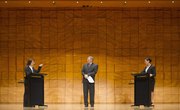
If you’re new to the idea of debate, it might seem like you need some serious public speaking skills in order to win. However, what the best debaters know – and now you will too – is that there is no secret to being great at debating.
The real key to success is preparation, and many of the most effective techniques of debate are things that you already know from your English classes. Coming up with a winning debate argument is a lot like structuring an effective argumentative essay.
The Most Important Techniques of Debate
Winning a debate isn't about shouting at your opponent or being an effortless orator. In reality, it's all about rhetorical techniques, structure and knowing your audience.
Your debate structure has to have one clear claim, like a thesis statement, and then stick to it for the whole debate. Your argument must be structured effectively, and it has to be obvious that you put time into researching everything that you say.
Just don’t pretend that your argument is perfect if it isn’t. You need to admit to the flaws in your argument, even if these match your opponent’s claims. This will make your argument more trustworthy, and the people judging your debate will be more likely to be on your side, especially if you talk to them like they’re real people and use emotions and imagery to tell a story. Being able to tell a story that sticks with your audience is the crown jewel of debating skills.
Stick to One Claim
Don’t try to do too much at once; the easiest way to have your argument fail to persuade anyone is if it is unfocused. Your debate should have one claim, which is an idea like a thesis statement that will guide your audience through the rest of your argument. Because the rest of your debate structure follows your claim, it is of vital importance to settle on a clear one before you begin to compose the rest of your argument. Don’t worry if your ideas change after you’ve done research because you can go back and change your claim to fit your argument after you’re done outlining the rest of your debate.
Your claim should be a simple sentence that is easy to understand. Don’t try to cram all of your ideas into one sentence because that is what the rest of your debate is for. Instead, make your claim a clear declarative sentence that sums up your main idea. It can be something as simple as, “The voting age should be lowered to 16 years old.” You can also add an additional clause for clarity, especially if your entire argument will be based on that more-specific concept.
Make sure your claim has a definitive point of view. Effective debates are not made from wishy-washy ideas that try to please both sides of an argument. You won’t convince anyone that way. Rely on your argumentative techniques and your research to convince your listeners instead of trying to please everyone.
Structure Your Argument Effectively
The rest of your debate structure will flow from the claim. Just like with an argumentative essay, the outline of your debate will have three main parts: an introduction, a conclusion and plenty of time in the middle for support and evidence.
The most convincing debate speeches often start off with a story that ties in with the main idea or primary claim. Make sure the story you tell is clear and obviously connected to your claim. Then, after you present the main idea of your argument, you can delve into your support and evidence.
Support for your claim should come from research. It can include logic and anecdotes, but the most effective evidence that you can use to support your claim will come from hard facts and statistics. After you present your findings in a clear way, sum up what you said in your conclusion. Rather than just repeating what you already presented, find a way to link your evidence and support back to the story you told in the beginning.
Do Your Research
One of the techniques of debate you can’t ignore is research. Even the most beautiful sentences spoken by the best orators are hollow without solid facts behind them. Where can you find that information, and how should you present it?
Start out by reviewing the materials that your teacher has given you. If you’re writing a debate outside of class, you still might have a guide or other parameters on what you need to cover. Reread whatever books or articles you have been given and use the information from these before you start trying to find more. Sometimes, books and articles will include references to other material that you can use to find deeper or more expansive information on the subject of your debate.
After you review the material you already have, conduct an internet search but make sure you steer clear of websites like Wikipedia or personal blogs that do not include fact checking. You can also go to your local library or the library at your school and ask a librarian for suggestions to help you in your research. Make sure you find credible statistics, such as those from the Pew Research Center or from governmental agencies like the Center for Disease Control. You can also find stories that are related to your topic in the form of documentaries, memoirs and personal essays, all of which you can reference in your debate to tell a story and improve your credibility.
Anticipate Your Opponent’s Claims
If you’ve been matched up for a debate in class, the odds are that you already have some idea of what your opponent will say. For example, if your assigned topic is “The voting age should be lowered to 16 years old,” your opponent will most likely be arguing the opposite: that the voting age should not be lowered to 16 years old. That will be your opponent's primary claim. Now, you just need to figure out the reasons he will give to back up his argument.
To predict what your opponent might say, you’ll have to plan an outline of your own debate but in reverse. Brainstorm how you would argue your opponent's claim by making a list of reasons and supporting evidence you think he might use. While knowing your opponent might give you less work, you can also plan a little more to be on the safe side. Your opponent will probably present three primary reasons to back up his idea, so you should brainstorm at least five and have them ready to pull out if you need them in your debate.
Why is it important to anticipate your opponent’s claims? If you know what your opponent will say, you can prepare counterarguments that can basically nullify anything he says. He might have a reason he thinks is super smart, but if you have a counterclaim that explains exactly why his reason isn’t a solid argument, you’re sure to win the debate based on your logic and preparation alone.
Admit to Flaws in Your Argument
One of the most surprising techniques of debate is admitting to your argument’s flaws. While you’re debating, you’ll probably find it tempting to pretend as if your argument is bulletproof. However, if your opponent is already doing the same amount of work that you were when you anticipated her claims, she will already know your Achilles heel.
Take away her advantage by claiming it as your own. You can do this by simply addressing the problem in your argument outright. You can also bring up ways that could solve the problem in the future.
For example, if you’re arguing that the voting age should be lowered to 16 years old, you might predict that your opponent will say that just like all age groups, 16-year-olds can’t all be lumped into one category. Your opponent might think that some high schoolers shouldn’t be allowed to vote because they don’t know enough about the American federal government. However, if you admit to this flaw, you can also say that many adults don’t know much about government either, and they’re still allowed to vote. To add a solution, you might propose a bill that makes a comprehensive civics class mandatory in all high schools.
Use Emotions But Don't Manipulate Your Listeners
Take advantage of underused debating skills to sway your audience. One such skill is using emotions to appeal to your audience’s heart, a technique that is also called using pathos when you’re talking about rhetoric.
To make an emotional appeal, you’ll have to put yourself in the audience’s shoes. What is something that might make them feel sad, happy or angry? Imagery that makes them remember good times can cause your audience to feel contented, but references to pain and suffering – especially at the hands of wrongdoers or as part of a political debate – will likely make your audience angry or upset.
Use those emotions wisely. An emotional response can override logic, but it can also bolster it. Don’t make an overt play at their emotions (put the puppies and babies away), but instead, convince them that the decision you’re debating has an impact that might affect the lives of animals, people or the environment in irreparable ways. That is where telling a story comes into play.
Tell a Story That Is Unforgettable
You may have heard the phrase “story is king.” Stories are important because they help us remember things, and they can also make complex concepts relatable to our lives. In other words, stories take abstract concepts and transform them into realistic events with things we can see, hear and touch. Stories make ideas come to life and make them matter, so it’s no wonder that storytelling is of the highest caliber of debating skills.
How do you tell a story in a debate? You already have an idea, which is your claim. Now you need to find a character, preferably someone from history or current events, whose story matches with what you’re arguing. After you settle on a character, read everything you can about that person, including essays or books they’ve written or news articles about them. Use facts and details that you find to compose a short narrative.
Although it is tempting to relate ideas to yourself, it’s important to note that personal anecdotes can be the least effective type of story (unless you’re a famous person giving a TED Talk, of course). Using someone who isn’t you will boost your credibility and show that you have committed to doing your research on the topic. Leave anecdotes about yourself to your supporting evidence if you use them at all.
Related Articles








References
Writer Bio
Rebecca Renner is a teacher and college professor from Florida. She loves teaching about literature, and she writes about books for Book Riot, Real Simple, Electric Literature and more.