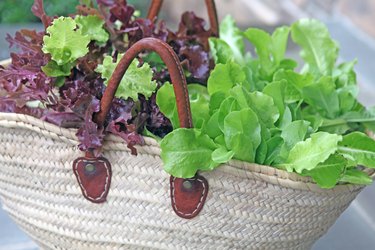
Leafy greens are high on the list of vegetables that are recommended by dietitians for their iron, folate, and vitamins A and C. Lettuce is not just for vegetarians; everyone likes a green salad, even if they are eating it with a steak and fries. Gardeners particularly enjoy growing leaf lettuce since it is easy to harvest on an as-needed basis, sometimes called "cut and come again."
Plant Lettuce in the Garden
Video of the Day
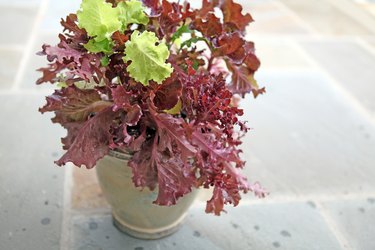
Deciding to plant lettuce (Lactuca sativa) in the garden or in containers is a good first step to growing your own tasty crop of leafy greens. But did you know there are a number of different types of lettuce? You'll have to choose which you'd like to grow. Some are tightly compact, like iceberg; some are loose-headed, like Bibb or Boston; and others are even looser still, called leaf lettuce. Leaf lettuce with green or red leaves is generally at the top of a gardener's preferences.
Video of the Day
Understand Leaf Lettuce
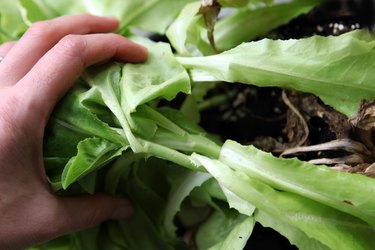
Leaf lettuce is understandably popular as leafy greens since it grows quickly and lasts a long time in the garden. Its longevity is prolonged by the fact that it doesn't have to be harvested as a head all at the same time. Since leaf lettuce produces leaves in a circular, rosette form, it is perfect for cut and come again gardening.
The young leaves grow from the center and are protected, while the older, mature leaves are on the outside. That means you can harvest the good-size leaves from the outside of the lettuce head, leaving the smaller inside leaves the time to grow.
Pick Lettuce So It Keeps Growing
The big difference between cut and come again gardening and regular gardening is the method of harvest. With solid-head lettuce, cutting lettuce from the garden means cutting out the entire head. With leaf-lettuce varieties, you can harvest leaf by leaf.
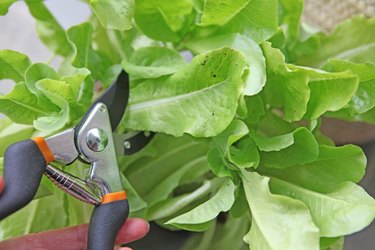
How do you harvest? You can pinch off mature leaves with your fingers if you only need a few. When more are required, it's easier to use garden scissors. Even if you cut off every leaf at the same time, as long as you leave 1 inch of the plant growing, the entire lettuce head will grow back.
Grow Leaf Lettuce
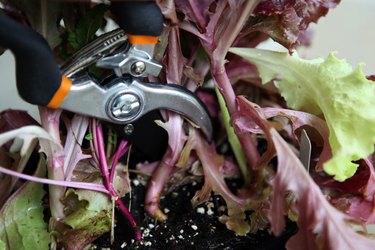
Lettuce is a cool-weather crop that grows best in spring and fall rather than in the heat of summer. Fast-growing leaf lettuce can be grown from March through June and again from early September through December.
Plant leaf-lettuce seeds in a site that gets some six hours of sun a day. Afternoon shade is a good idea, especially when the temperatures rise. Lettuce is not difficult to grow as long as the soil is well worked and fertile and offers excellent drainage. Keep the soil moist but not soggy.
Cutting and Timing
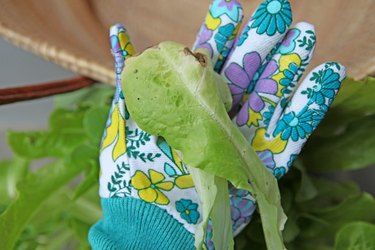
Harvesting lettuce leaf by leaf is the easiest part of growing lettuce in the garden, but there are a few tips that can make those greens even sweeter. Don't wait too long to harvest the mature leaves. Older leaves will be tough and can be bitter too, so cut when the leaves are still crisp.
The best time to harvest your lettuce is during the early morning. Leaves harvested just after dawn contain approximately twice the natural sugar content of leaves harvested in the midafternoon.