How to Identify Harmless Texan Snakes

How to Identify Harmless Texan Snakes thumbnail
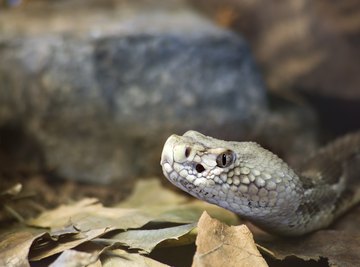
The bullsnake is one of Texas's many native nonvenomous snakes.

Nearly 70 species of snakes inhabit Texas, ranging from its eastern swamps and pine woods to western mesquite scrub and tablelands. A number of venomous serpents are among these, including several kinds of rattlesnakes, the cottonmouth, the Texas coral snake and the copperhead. But the vast majority are nonvenomous, presenting no threat to human beings.

Things You'll Need

  • Field guide
  • Camera
Show More

Instructions

    • 1

      Sort out the larger constricting snakes of Texas, some of its most impressive reptiles. Several subspecies of bullsnake inhabit Texas -- the bullsnake proper, the Louisiana pine snake and the Sonoran gopher snake -- and all have tawny bodies with ragged, dark brown or black blotches. The numerous native races of rat snake are similar-looking but have more well-defined blotches and more variable body color, from orange to gray. The desert and speckled king snakes are muscular, toned in black and white. The huge Texas indigo snake, occasionally over 8 feet long, is near black, glossy, big-scaled and has black lines on its upper lip.

    • 2

      Identify the garter snakes by their slender bodies and longitudinal stripes. It can be difficult at a glance to distinguish the various subspecies, which in Texas include the eastern, Texas, red-sided and New Mexico garter snakes, but pay attention to the pattern and coloration of the striping to attempt it.

    • 3

      Learn the appearance of the several subspecies of milk snake in Texas: the Louisiana and Mexican varieties closely resemble the venomous Texas coral snake: all have tricolor banding, prominently featuring red and black. But the red bands of the coral snake directly border yellow ones, while in the milk snakes red alternates with black.

    • 4

      Distinguish between the water and crayfish snakes of Texas, often encountered in streams, swamps and marshes. The dorsal sides of the relatively small, elusive Graham's and glossy crayfish snakes are uniformly brownish or greenish, while the bolder, larger water snakes are usually blotched or banded. The yellowbelly water snake of far eastern Texas is an exception, but is much stouter and larger than the crayfish snakes.

    • 5

      Keep an eye out for the eccentric behavior of the eastern and western hognose snakes, which between them inhabit essentially the whole of Texas. These big-headed, nonvenomous, heavily mottled snakes perform an elaborate routine when threatened: hissing, flattening their necks, coiling -- and, finally, flopping belly up to play dead.

    • 6

      Spot the unmistakable rough green snake in the thickets, vine tangles and waterways it favors in eastern Texas. This arboreal species is a vibrant green, which can make it difficult to discern against a backdrop of shrubbery. Its slenderness and large eyes are other notable field marks.

    • 7

      Identify the many other native serpents of Texas, from long-nose snakes to racers to blind snakes, by focusing on prominent physical features as well as behavior, habitat and geographic location.

Tips & Warnings

  • Bring along a good field guide to Texas reptiles to help you identify snakes. A camera can be very helpful as well: You can record an image for later study.

Related Searches:

References

Resources

  • Photo Credit Jupiterimages/Photos.com/Getty Images

Comments

You May Also Like

  • Nonvenomous Snakes in Texas

    Most of Texas's snakes species are nonvenomous, meaning they do not have fangs which contain venom. Due to their lack of venom,...

  • Identifying Snakes

    Whether you have a passion for snakes or an aversion for them, being able to identify snakes is important if you enjoy...

  • How to Identify Snakes in Texas

    There are various kinds of snakes all over the state of Texas. Most are not deadly but there are a few that...

  • How to Identify East Texas Snakes

    Eastern Texas is home to many poisonous snakes, and being able to differentiate between poisonous and non-venemous snakes may save your life....

  • Nonvenomous Snakes of Tennessee

    While exploring the forests, rivers and mountains of Tennessee you may come across a snake. Luckily, only four of Tennessee's 32 native...

  • What Kinds of Black Snakes Live in Texas?

    The variable physical face of Texas --- from bayous, piney woods and salt marshes to high blowing prairie, arid basins and rugged...

  • Coral Snakes in Southern Texas

    The northern coral snake, or Micrurus fulvius, has five subspecies, one of which is found in southern Texas. Micrurus fulvius tener, or...

  • Physical Features of a King Cobra Snake

    Physical Features of a King Cobra Snake. One of the most distinctive and frightening snakes in the world, the king cobra is...

  • How to Identify Common Snakes

    Where you live or how you spend your leisure time will determine how often you will see snakes. If you enjoy going...

  • Kinds of Coral Snakes

    The coral snake is a venomous type of snake that many people fear, rightfully so. Several types of coral snake exist throughout...

  • How to Control and Prevent Snakes in Houston, Texas

    There are 15 varieties of venomous snakes in Texas, most of them rattlesnakes. The good news is that non-venomous snakes are much...

  • How to Identify Garden Snakes

    Garden snakes are a commonly-used term associated with the agile, harmless snakes often discovered in a backyard garden. This snake species is...

  • Colors of Snakes in Central Texas

    Central Texas is considered the "real outback" among the American states. Texas managed to get this reputation because it is filled with...

  • How to Tell the Difference Between a Coral Snake and a Scarlet King Snake

    The coral snake is a venomous and potentially deadly snake that can be found in Florida, Texas, Louisiana and other areas of...

  • Milk Snake Types

    Milk snakes are a nonvenomous species of constrictor. Their bright colors and relatively low cost make them attractive to snake enthusiasts. Anyone...

  • Snakes Found in Terrell, Texas

    Terrell is a city in the northeast region of Texas about 20 miles east of Dallas. The city has miles of open...

  • What Kind of Snakes Live in Texas?

    The climate of Texas is a good one for reptiles, and Texas has a wider variety of snake species than any other...

  • How to Identify a Silver Snake

    Snake identification is extremely important due to the fact that many snakes are highly venomous and even deadly to humans. Certain snakes...

  • Aggressive Snakes in Texas

    Since most snakes eat meat, these reptiles are aggressive when seeking prey for their next meal. When it comes to confronting humans,...

Related Ads

Featured