How to Find Deer With TOPO Maps

How to Find Deer With TOPO Maps thumbnail
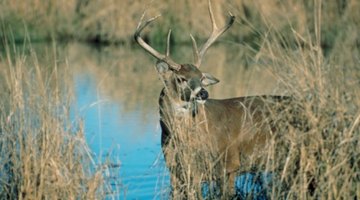
Topo maps can help you find likely deer locations.

Topographic maps shown the terrain of the land. The maps report elevations at regular intervals, which helps people see, among other details, where the land is flat and where it is steep. Topographic maps are important tools for deer hunters, who can use them to scout a potential hunting spot before they ever go there. Not only can hunters learn the lay of the land, but they can also focus in on spots deer are likely to use.

Instructions

    • 1

      Locate water sources on the map. Deer are never far from water, and potential sources include lakes, ponds, rivers or streams. The names of large lakes and rivers likely will be written on the map. Small dashes typically denote small ponds and wetlands. Also keep in mind that flat areas with low elevation are the most likely to be wet.

    • 2

      Study the map for funnel areas, which force deer to travel through a specific spot. Some of the best funnels are saddles. To find a saddle, look for a low area between two or more higher points of elevation. If the contour lines indicate the elevation of the land goes from 700 feet to 300 feet, for example, and in the immediate vicinity the contour lines indicate the elevation increases, the low area between the two higher areas is the saddle.

    • 3

      Look for areas near water sources with steep elevation. Quick elevation changes are denoted by contour lines that are close together. Deer traveling through such an area will not walk on the steep part of the land, but instead will walk on the flat land--even if there is just a little bit--between the water source and the elevation change.

    • 4

      Locate high, flat areas. These are likely bedding areas and since they are dry, they probably have trees on them. Oak trees, for example, grow in high, dry areas and the acorns they drop each year are important deer food. To find these plateau areas, look for an area where the contour lines are far apart--which indicates flat ground--but that is surrounded by contour lines that are close together--which indicates the incline that leads to the plateau.

Related Searches:

References

Resources

  • Photo Credit Jupiterimages/Photos.com/Getty Images

Comments

You May Also Like

  • How to Hunt Blacktail Deer

    Columbian Blacktail deer are descendants of the more common whitetail variety and are considered to be more difficult to hunt. The hunting...

  • How to Hunt for Pinch Points for Deer

    Despite their stealthy reputation, deer are actually quite predictable animals. Like water, deer follow the path of least resistance during their cross-country...

  • How to Locate Bucks Using Topographic Maps

    Deer hunters can improve their chances of finding mature bucks by studying topographic maps of the landscapes they hope to scour. Such...

Related Ads

Featured