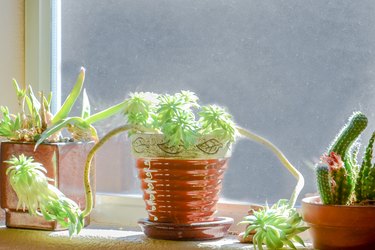
Potted plants battle issues those growing in the ground might never face. Their soil dries out too fast, or it can't drain properly because the plant containers lack bottom holes. Sometimes the containers constrain the roots, keeping them from growing normally. Several factors cause potted plants to wilt, and the most common way to revive them is to adjust their water supply. If that doesn't work, switching containers often solves the problem.
Too Little Water
Video of the Day
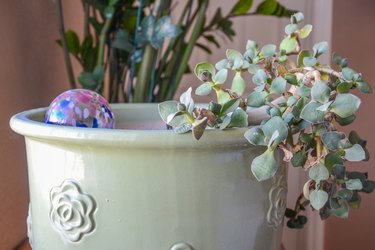
Plant stems stay upright when their vascular systems are full of moisture and nutrients, the flow of which keeps the stems firm. When plants don't draw enough water from their roots, their stems sag. If the wilted plants' soil feels dry about 1 inch below the soil surface, then the plants probably need water. Revive the plants quickly by setting their pots in a sink filled with room-temperature water. The water should come about halfway up each pot's side. Leave the pots in the sink for at least one hour, or until the soil feels wet at the top to you; for some plants, the process can take several hours. The soil wicks water upward through each pot's bottom drainage holes and becomes saturated, ensuring the roots get enough moisture to cause the stems to stiffen again. The plants should show significant improvement by the next day. Changing your watering pattern so you water the plants more often will help prevent future wilting.
Video of the Day
Too Much Water
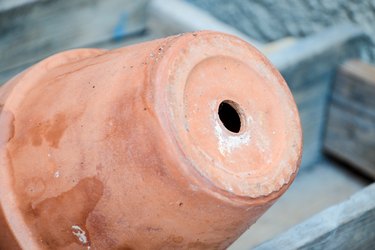
Although plants need water to survive, too much water in their pots causes problems. Roots need air pockets around them so they can breathe, but overly saturated soil drowns the roots, preventing them from taking in nutrients efficiently, which results in the plants wilting. Roots that stay too wet are prone to root rot as well, which causes the plants to wilt and eventually die. Use pots with one or more bottom drainage holes on the bottom, and place the pots on saucers or dishes that let excess water flow out of the pots freely. Outdoor pots can sit on nearly any surface and drain, although raising the pots off the ground by using bricks, for example, increases the drainage potential. If you touch the top of a potted plant's soil one day or more after you watered the plant and the soil is still wet, then the soil retains too much water. Ensure the pot's drainage holes aren't blocked, and change the soil to a well-draining mix, such as one containing perlite, to help reduce future problems. Also, water the plant only when the top 1 inch of its soil feels dry to your touch.
Small Pot
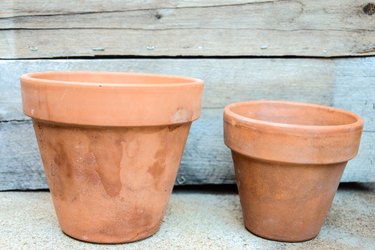
Roots need room to grow, but pots that are too small hinder root growth and prevent roots from absorbing nutrients properly. Without enough nutrients, plants start to wilt. Signs of plants being root-bound include their roots peeking out of the pots' drainage holes, poking above the soil and/or wrapping around the inside of the pots multiple times. In order to help revive such wilting plants, carefully remove them from their pots, and transfer them to larger pots that contain new, well-draining, sterile potting soil.
Other Tips
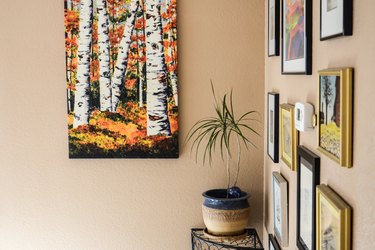
Light and temperature are key factors in plant health. If you know that your wilted potted plants receive adequate water and reside in the correct pot sizes, then try moving them to another location. If they sit in front of a window, they could receive too much direct sunlight or afternoon heat, for example; moving them just a few inches to the side can make enough difference for the plants to recover from wilting. Conversely, if the wilted plants sit in a dark corner, move them to a better-lit location. Plants that sit under air vents or outside in heavy winds may wilt quickly because the wind removes moisture. Moving such plants into areas protected from air vent drafts and wind can help them perk up quickly.