
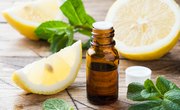
Deoxyribonucleic Acid is considered the genetic blueprint of all living things. It exists in everything from humans and animals to microorganisms and fruit. Extracting a DNA sample from an orange requires only a few simple household products and items that can be purchased at a grocery store. This experiment is safe to perform in a classroom or in the kitchen.
- 1 tsp. salt
- Dish soap
- Rubbing alcohol
- Blender
- Glass jar
- Eye dropper
- Coffee filter
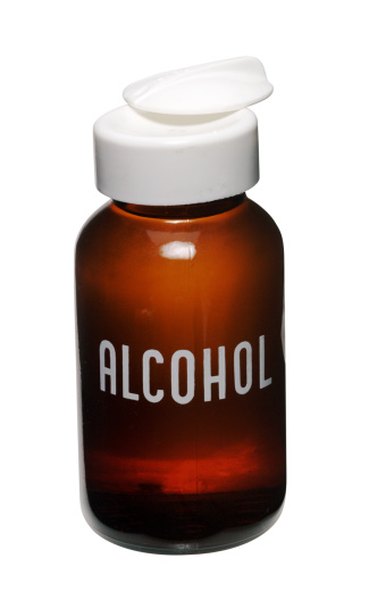
Fill a cup with rubbing alcohol and place it in the freezer about 30 minutes before beginning the experiment.
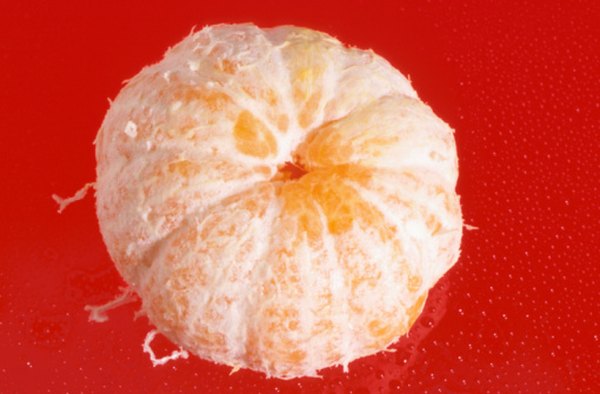
Peel the orange and cut it into small pieces.
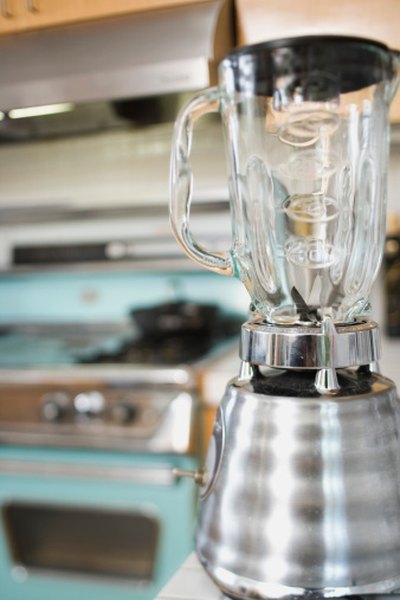
Put the orange pieces into a blender and cover them with warm water. Add a teaspoon of salt, then blend until a thick, easily pourable liquid is formed.
Position the coffee filter over a glass jar and pour the mixture into the filter until the jar fills about halfway. Remove the filter.
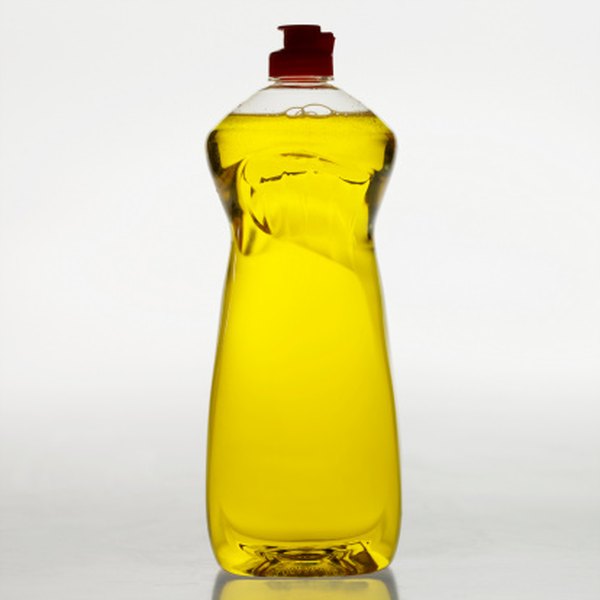
Add 2 tsp. of liquid dish soap to the jar and carefully stir it. Avoid making bubbles.
Remove the cold alcohol from the freezer and slowly pour it into the orange mixture, down the side of the jar. You can use an eye dropper for this. Do not pour it directly into the center of the mixture. Use only enough alcohol to form a thin, separate layer on top of the orange mixture. Leave the mixture to stand for about 10 minutes, undisturbed. The DNA will coalesce and form a long white strand that will float to the top of the alcohol. Use a toothpick to pick it up and study it.
Things You'll Need
About the Author
Katrina Arthurs began her writing career in 1999. She served as a columnist for the "Edgewood News Herald" then as a reporter and production manager for the "KC Conservative." Arthurs is pursuing her Bachelor of Science in criminal justice at the University of Central Missouri.
Photo Credits
Ablestock.com/AbleStock.com/Getty Images