How to Troubleshoot a Bug Zapper

How to Troubleshoot a Bug Zapper thumbnail
Troubleshooting a bug zapper keeps it working at an optimal level.

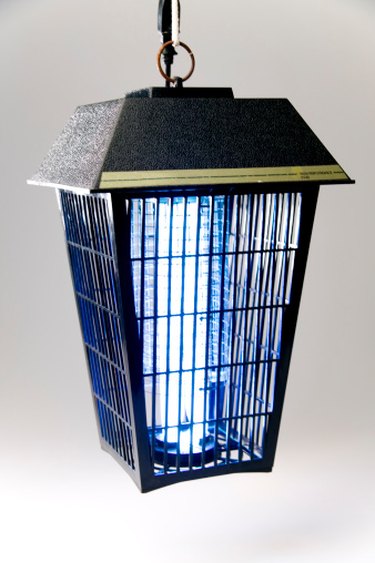
Bug zappers, electronic insect-control systems or electrical-discharge insect-control systems, are simply meant to keep insect problems under control. They attract and kill insects that are attracted by light. A light source lures insects using an invisible black light to a grid where they are electrocuted. You can ensure that your bug zapper continues to perform at optimal levels by solving common problems that tend to arise. Does this Spark an idea?

Things You'll Need

  • Fuse
  • Insulated screwdriver
  • Soft brush
  • Blower
  • Replacement bulbs
Show More

Instructions

    • 1

      Check your fuse or circuit breaker if your bug zapper's bulbs do not light. The location of the fuse varies with different bug zappers, so refer to your product's documentation. Replace a damaged fuse.

    • 2

      Inspect your bug zapper's grids if you are noticing sparking between grid rods. Unplug the unit from an electrical source and adjust the grids. Depending on the bug zapper, you can adjust the grids by bending them back into alignment using an insulated screwdriver. If you are unable to bend the grids on your device, refer to your manual.

    • 3

      Check the killing grid if your bulbs light, but you do not see any voltage on the grid. If you have material build up around the grid, clean it. Some bug zappers are equipped with self-cleaning grids, so the only cleaning you are required to do is removing insect debris using a soft brush or a blower. Avoid cleaning your zapper with water or other liquids.

    • 4

      Replace bulbs if they light up but no longer attract insects. Although the bulbs light up, the invisible black light output that attracts insects may have diminished with age. To replace a bulb, turn off and unplug the unit. Remove the bulb retainer and remove the old bulb from its socket. Insert a replacement bulb into the socket and replace the bulb retainer. Refer to your bug zapper's documentation if you are unsure how to replace a damaged bulb.

Tips & Warnings

  • To avoid the risk of electric shock, do not perform maintenance on any electrical appliance without first unplugging it.

Related Searches:

References

  • Photo Credit Jupiterimages/liquidlibrary/Getty Images

Comments

You May Also Like

  • How to Troubleshoot a Stinger Ultra Zapper

    The Stinger Ultra Bug Zapper is an electronic outdoor device that kills mosquitoes, flies and other outdoor flying insects. The device lures...

  • How to Make a Bug Zapper

    A bug zapper is more formally known as electrical discharge insect control system and is a common method of killing insects outside....

  • How to Control Flies Around the House

    Common houseflies are not only an annoyance, they are also a health concern. Houseflies feed on waste, and they pick up bacteria...

  • How to Repair a Bug Zapper

    Bug zappers attract mosquitoes and other insects by emitting light and then killing the bugs with a small electrical charge. Most zappers...

  • How to Clean a Flowtron Bug Zapper

    Since 1974, Armatron International, Inc. has manufactured a wide variety of residential and commercial electric insect-killing devices such as bug zappers sold...

  • How to Repair a Stinger Bug Zapper

    Bug zappers, such as a Stinger, are used outdoors to kill mosquitoes and a variety of other insects. When you hear a...

  • How to Kill Formosan Termites With a Zapper

    Formosan termites are one of the most destructive types of termites you can encounter. These winged terrors fly in swarms and have...

  • How to Fix a Bug Zapper

    Some people think electric bug zappers do a great job of keeping insects from raining on your party, but others think they...

  • Bug Zapper Information

    A bug zapper is an appliance that attracts and kills bugs. An electrical grid emits ultraviolet light that attracts insects. When they...

  • Flowtron Instructions

    A Flowtron is an electric leaf eater. This outdoor device can shred leaves, grass clippings and pine needles. The leaf eater can...

  • How to Make an Insect Zapper

    The days of flyswatters and toxic bug sprays are gone! In this new age of technology, and in the interest of going...

  • Stinger Zapper: Lights Don't Work

    The Stinger bug zapper builds upon the effectiveness of traditional bug zappers by adding a powerful attractant, NOsquito Octenol, to lure mosquitoes...

  • How to Use an Electric Bug Zapper

    The bugs come out at night, the bugs come out at night. Yeah, I know, it's not a happy tune to be...

  • Instructions for a Sunbeam Bug Zapper SB980

    The Sunbeam SB980 Bug Zapper uses ultraviolet light to keep bugs away and zaps and kills bugs that fly towards the light....

  • About Bug Zappers

    Bug zappers were invented to control the bug population in and around your home. Once you purchase and install the insect control...

  • How to Troubleshoot Big Truck ABS Lights

    The anti-lock braking system (ABS) in a big truck is very similar to those in most vehicles. A sensor at each wheel...

  • How to Use a Bug Zapper for Black Flies

    Bites from black flies are painful, sometimes itchy and can cause numbness. Through their bites, they can also transmit a disease known...

  • How to Use an Outdoor Bug Zapper Indoors

    An outdoor bug zapper uses electricity in a grid to shock bugs when they touch it. The bugs are attracted by an...

  • Components in a Bug Zapper

    Components in a Bug Zapper. Although not as effective as other types of traps that specifically target biting insects like mosquitos, bug...

Related Ads

Featured