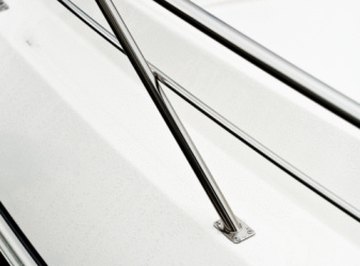

Carbon fiber and fiberglass are both versatile materials available for a variety of uses including car and boat bodies. There are even some products that use both in different areas. While carbon fiber and fiberglass have many things in common, including strength and durability, the two materials are vastly different.
Material
Carbon fiber is made with small strands of carbon atoms that are combined into strands woven together to form an incredibly durable and lightweight material. Fiberglass is made of small glass fibers that are connected together to form a material. The glass is made of silicon and not carbon.
Uses
Both carbon fiber and fiberglass are used to make bodies and hulls of ships because of their strength and light weight, but they are also suited for other uses. Carbon fiber, which is 10 times stronger than steel, is used to make golf club shafts. Fiberglass is used for insulation in homes and businesses.
Health
Carbon fibers have no real heath issues because it is manufactured as a solid piece of material, unlike fiberglass which is made of tiny glass particles. Fiberglass that is not sealed with an epoxy can irritate your skin and cause a rash if you touch it. The small glass particles actually cut the skin. Fiberglass is especially dangerous if it is inhaled because it can cut the lining of the lungs.
Epoxy
Carbon fibers are strands of carbon atoms woven together to create a single mass, while fiberglass requires an epoxy or covering to maintain its strength and durability. Without the hard outer covering, fiberglass would easily come apart. Carbon fiber doesn't need a covering or an epoxy.
References
About the Author
Brock Cooper attended Illinois Wesleyan University in Bloomington, Ill. He was a reporter for seven years with a daily in Illinois before branching out into marketing and media relations. He has experience in writing everything from press releases to features on a variety of subjects and forums. His work can be seen in NewsTribune newspaper, Chicago Parent magazine and several websites.
Photo Credits
Jupiterimages/Photos.com/Getty Images