How to Process Fresh Pollen Samples

How to Process Fresh Pollen Samples thumbnail
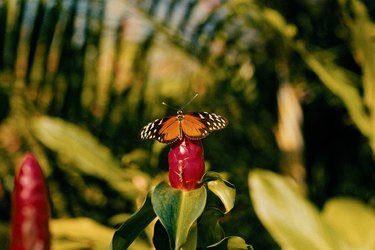
Pollen is removed from the anthers of a flower.

Pollen collection can be time-consuming, but is a fairly simple process that is very useful for many purposes. With careful processing, gardeners and breeders can use collected pollen to deliberately cross-pollinate their plants, creating new varieties, or to purposefully breed plants that are rare or are not flourishing in an area where they should be common. Pollen can also be collected for the purpose of study in biology. These steps will help with storing pollen that has been collected from many kinds of plants. Does this Spark an idea?

Things You'll Need

  • Tweezers
  • Glassine envelopes
  • Lamp, oven or desiccant
  • Plastic cups
  • Fine mesh screen
  • Glass vials
  • Labels
  • Refrigerator or freezer
Show More

Instructions

  1. Instructions

    • 1

      Collect anthers. Anthers are long, slender filaments in a flower that have two lobes at the top, and are best collected from intact, partially opened buds. (See References 1, 2, and 3)

    • 2

      Clean any debris or insects from the anthers. A tweezers is helpful for this process. (See Reference 3)

    • 3

      Store the anthers in glassine bags that have been labeled to help you remember the specimens that they were taken from. (See Reference 5)

    • 4

      Dry the anthers. There are many ways to do this. Two gentle methods that are good for immediate pollination are sun drying or using a 100 watt lamp that is at least 18 inches away from the specimen for 24 hours. The specimen needs a drying temperature of about 30 degrees Celsius. (See References 3 and 5) Using an oven or a desiccant are common methods for long-term storage; you may need to store the pollen in a different container for these methods. (See References 2 and 4) You can also freeze-dry pollen or use silica gel as a desiccator, but these methods require special equipment. (See Reference 6)

    • 5

      Put your dried anthers into a plastic cup. Cover the cup with a fine mesh screen (200-300 mesh), and seal with another plastic cup. Flip the cups and shake 10-20 times. The pollen should be separated from the anthers and fall into the bottom cup. (See Reference 5) This process may vary somewhat according to the type of plant that pollen is being collected from.

    • 6

      Transfer the pollen collected in the cup to glass vials that have also been labeled to help you remember which specimen it was collected from. It is best that the pollen is stored loosely and with no compacting. (See References 5 and 6)

    • 7

      Keep pollen that is intended for immediate pollination at room temperature for about a day, or in the refrigerator for two or three without any loss of viability. (See Reference 5)

    • 8

      Freeze pollen that is intended for long-term storage at 0 degrees Fahrenheit. Freezing pollen is very simple and only requires that it is as dry as possible before being frozen, as it is crystals forming in cells that causes damage to a sample. Keep the pollen in the vials so that there is no contamination and you remember what plant the pollen was collected from. Frozen pollen should have a good viability rate if it is to be used for pollination. (See Reference 4) If it is to be used as a biological specimen, glacial acetic acid, acetone, or ethyl alcohol can be used for storage, although the specimen may become brittle after prolonged exposure. (See Reference 2)

Tips & Warnings

  • The size and shape of flowers varies tremendously. A little improvisation may be required depending upon what type of plant you are collecting pollen from.

  • Avoid collecting and processing pollen on humid or rainy days, as this interferes with the release of pollen from the anthers. (See Reference 3)

Related Searches:

References

  • Photo Credit flower image by OMKAR A.V from Fotolia.com

Comments

You May Also Like

  • How to Hand Pollinate Garden Plants

    Some plants need a helping hand for good pollination when grown indoors or in a greenhouse, but it is easier than one...

  • Kinds of Bee Pollen

    Some proponents of bee pollen have gone as far as to call it a super food for the health benefits they claim...

  • How Do I Collect Pollen?

    Generally speaking, plants don't require pollination by hand-collected pollen. However, collecting pollen allows you to cultivate species for desirable ...

  • How to Preserve Pollen

    Preserving pollen is a common practice in horticulture, especially when the horticulturist is using the pollen for cross-pollination. Pollen is a somewhat...

  • How to Analyze Pollen in a Soil Sample

    The study and analysis of pollen, otherwise known as palynology, is becoming increasingly popular in the field of forensics. Forensic palynology is...

  • How to Store Tea for Long-Term Storage

    Dried tea leaves make wither a relaxing, warm drink or a refreshing cold beverage. The tea leaves come either loose or bagged....

  • How to Process & Package Bee Pollen

    Pollen is the dust-sized, male seed of flowers. It collects on the hind legs of honeybees as they visit flowers and then...

  • Can You Freeze Potatoes?

    In only a few hundred years, potatoes have gone from a little-known South American tuber to a starchy staple for people all...

  • Pollen Facts

    Pollen causes immunoglobulin E antibody production in the human body. These antibodies cause mucous production and encourage sneezing and watery eyes in...

Related Ads

Featured