How to Make Mouthwash With Clove Oil

How to Make Mouthwash With Clove Oil thumbnail
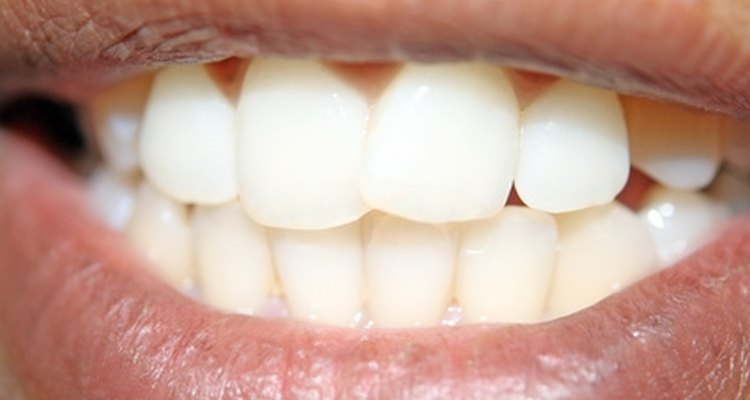
A good mouthwash helps to maintain fresh breath and a healthy mouth.

Mouthwash is an essential part of good oral hygiene, and consumers have a wide variety of choices when selecting a product. An idea that some people may not have considered, however, is the option of making your own mouthwash at home. It's actually easier than it sounds, and all of the ingredients are readily available at health food stores as well as online. The biggest benefit of these homemade mouthwashes is that they can be tailored to suit individual needs. Clove oil, for example, has a natural antiseptic effect and helps to dull pain, so it may be especially useful in preventing infection or to those suffering from a canker sore. Does this Spark an idea?

Things You'll Need

  • Glass container with lid, 16 oz. or larger
  • 16 oz. water
  • 4 drops clove oil
  • 2 drops myrrh
  • 1 zinc tablet
  • 2 folic acid tablets
  • Optional herbs, such as sage, mint or ginger
Show More

Instructions

    • 1

      Add 16 oz. of water to a glass container. Make sure the container has a lid for covering and storing the finished mouthwash.

    • 2

      Add 2 drops of clove oil, 2 drops of myrrh, 1 zinc tablet and 2 folic acid tablets to the water.

    • 3

      Wait for the tablets to dissolve and then shake the mixture well. Make sure the clove oil, myrrh, zinc tablet and folic acid tablets are thoroughly distributed in the water.

    • 4

      Add an optional dash of herb -- such as sage, mint or ginger -- to the mouthwash. Speak with a consultant at a health food store or an herbalist to determine what herbs would best suit your needs.

    • 5

      Rinse your mouth with the mouthwash and spit it out. Be careful not to swallow any of it.

    • 6

      Store the remaining mouthwash mixture in the refrigerator in a covered glass jar. The mouthwash can be stored for up to one week.

Tips & Warnings

  • Do not add Vitamin C powder or any citrus oil to your mouthwash, because it can affect your teeth and reduce the alkalinity of the mouthwash.

  • Make sure the clove oil and myrrh is appropriate for use in a mouthwash. Many of the oils sold in stores are for freshening rooms and are not safe for other uses. Consult with the store's staff to determine whether the oil is suitable for your purpose.

Related Searches:

References

  • Photo Credit Teeth and Mouth image by Sujit Mahapatra from Fotolia.com

Comments

You May Also Like

  • Benefits of Homemade Clove Mouthwash

    Benefits of Homemade Clove Mouthwash. Clove is a spice grown in the Spice Islands. Traditional Chinese medicine uses the spice in ancient...

  • How to Make Cinnamon and Nutmeg Mouthwash

    Cinnamon and nutmeg mouthwash is a refreshing, simple mouthwash that can be made at home in less than ten minutes, though it...

  • How to Make a Powerful Natural Mouthwash

    This natural mouthwash tastes very good, and contains easy-to-get ingredients known to eliminate germs that cause flu, colds, bad breath, and restores...

  • How to Make Clove Tea With Ground Cloves

    Clove tea is a flavorful drink that has many uses. Over the course of history, cloves have been used to treat digestive...

  • How to Make Cardamom and Clove Mouthwash

    Cardamom and clove mouthwash is a simple, homemade alternative to the expensive mouthwashes that line store shelves. Making your own mouthwash will...

  • How to Make Clove Oil Cream

    Clove oil is a natural insect repellent, and incorporating clove oil into a homemade cream will allow you to deter insects without...

  • What Are the Benefits of Clove Oil?

    What Are the Benefits of Clove Oil?. When you see a jar of cloves in your cupboard that you use for cooking,...

  • Homemade Clove Oil

    Clove oil consists of the red flower buds from the clove plant and a carrier oil such as olive oil. Cloves are...

  • Clove Oil Treatments

    Clove Oil Treatments. Clove oil is the essential liquid extract from the clove herb. In alternative medicine, clove oil is used alone...

  • What Is Vitamin C Powder?

    One of the most commonly used vitamin supplements is vitamin C. Many people prefer to take vitamin C powder, or crystals, rather...

  • Cloves As a Repellent

    Clove oil is an natural solution to repelling insects. According to Clemson University, clove oil contains eugenol, which is a chemical compound...

  • How to Use Essential Oils for Mouthwash

    If you prefer not to use a commercial mouthwash, and want to go with something natural and refreshing, essential oil-based mouthwashes are...

  • Oil of Cloves Medicinal Remedies

    Oil of cloves, or clove oil, is extracted from an evergreen tree (Eugenia aromaticum) from the Myrtaceae (Myrtle) family, native to the...

  • How to Make Tea Tree Oil Mouthwash

    There are many mystery ingredients in the average mouthwash. Natural mouthwash is often made without the mystery ingredients, but it usually cost...

  • How to Make Mouthwash With Tea Tree Oil

    Therapeutic grade tea tree oil used in aromatherapy contains several medicinal properties which make it a good mouthwash ingredient. According to "The...

  • How to Make Homemade Mint Mouthwash

    Homemade mint mouthwash is a simple, easy to prepare mouthwash that can be prepared in less than ten minutes, though it does...

  • Uses for Clove

    Uses for Clove. Cloves have been used for centuries for medicinal purposes. The use of cloves dates back as far as 1721...

  • How to Make a Tea Tree Oil Mouth Rinse

    If you don't want to use the store-bought mouth rinse, which contains alcohol, you can make your own, with tea tree oil....

  • How to Use Clove Oil for Nerve Decay in a Tooth

    Tooth decay is caused by bacteria that survive in the mouth after eating or drinking. The bacteria gradually build up to form...

Related Ads

Featured