


While the sixth grade social studies curriculum varies from state to state, Ancient Civilizations or World History are two common topics in many public schools. This course of study includes geography, culture, mapping and climate strands. Students in sixth grade begin refining the research skills that they learned during elementary school, such as differentiating between primary and secondary sources and developing higher order thinking skills.
Ancient Egypt Multimedia Project
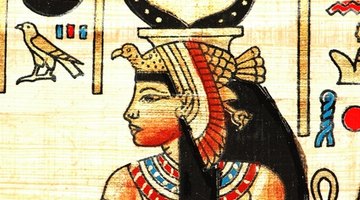
Plan an end-of-the-unit multimedia project on the topic of Ancient Egypt. Tell students that they will be working in groups of three to research selected areas of Ancient Egyptian life. Assign each group one of these areas: geography, history, religion, social structure, daily life, technology and the arts. Prepare a website with a pre-selected list of appropriate websites for students to use in their research. Include sites with music, graphics and videos that students can incorporate into their projects. Inform students that all information must come from these sites and any quotes must be correctly attributed to the source or sources used. Give students the option of creating a website, a blog or a video as their multimedia project. If students have difficulties with the technological aspect of this project, ask the computer teacher to assist them either during computer class or social studies class. Create a schedule for students to present their work. Assess them on the content of their projects as well as on their presentations.
Brazilian Study
Introduce students to an intensive study of Brazil with a project that teaches them valuable study skills in addition to learning about the culture and society of Brazil. Point out Brazil on a wall map of the world. Give the class a brief description of the country, and show them an educational video of Brazil as an introduction to the unit. Tell students they will be working in groups to research life in Brazil and create a group presentation, as well as writing individual reports. Discuss how to budget time when working on a large project. Give students a timeline to work with so that they can keep on schedule to finish their project by the deadline. Allow students time to work on the project in the classroom. Place students in groups of four.
Tell students to research the geography, culture, race, religion, history and language of Brazil. Gather reference books, maps, resource books about Brazil and a list of internet sites for research. Ask students to divide the topics for presentation purposes. During presentations, all students take a turn and explain their areas of specialization. Encourage them to use photos, sound recordings and video in their presentations. End the unit with a Brazilian carnival with music, food and authentic decorations.
Country Travel Brochures
Integrate social studies and technology by having students create travel brochures similar to those found in a travel agent's office. Pick a region of the world that students are studying such as South America, Southeast Asia or the Middle East. Tell students that they are going to create a travel brochure that will make their country appear to be an inviting vacation destination.
Divide students into pairs for this project. Assign each pair a country. Write the information that students need to include in their brochures. The information includes: natural resources, climate, geography, tourist attractions, cultural highlights such as arts and crafts or special ceremonies, food, transportation and currency. Instruct students to include colorful graphics such as waterfalls, lakes, temples or sporting events. The main idea is to attract tourists to visit the country. Ask the technology teacher to show students how to create a brochure format using a word processing program. Tell students to print out their finished project in color. Each group will make a presentation to the class using their brochure. Save the brochures and display them during the next open house night or use them as examples of student work during parent-teacher conferences.
Related Articles







References
Writer Bio
Bruce Pohlmann is an international educator, author and anthropologist. Pohlmann began writing about Southeast Asia and education in 1980. He has written many articles for both print and digital magazines, websites and blogs, including "Kabar Magazine," Escape Artist, and Offshore Wave. He holds a Ph.D. in anthropology from the University of California, Berkeley.