
How to Deflate a Basketball
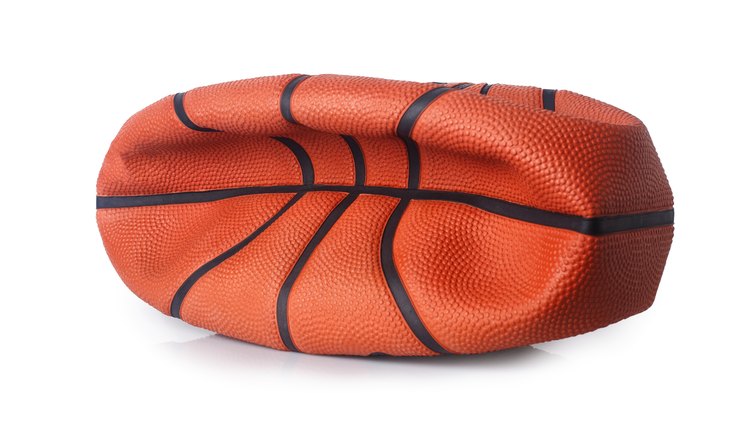
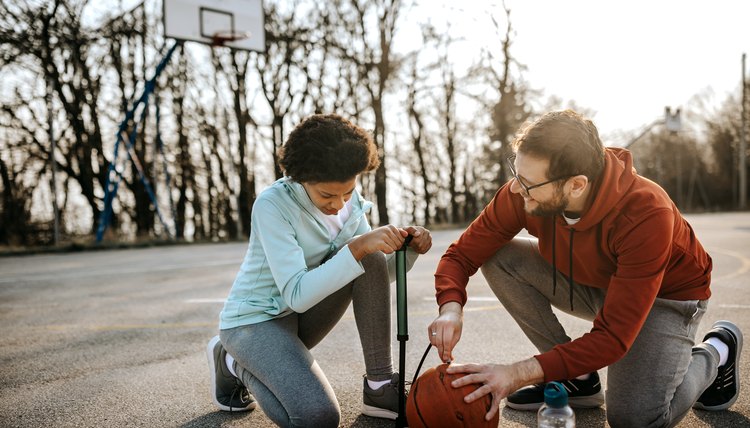
You don’t have to be an NBA basketball player to know the uncomfortable feeling of when the air pressure of a ball is not up to par immediately when you start dribbling or shooting hoops. Many even keep an air pump and inflation needle in their bag along with their basketball shoes to inflate the ball if this situation arises during a practice or basketball game.
While you will need your basketball to be inflated to play with, several reasons might account for wanting to take the air out of the ball:
- The ball is overinflated and has too much air
- You want to put the ball away for the winter and make it as small as possible
- You need to fit the ball into a suitcase or travel bag
In some cases, you may just want to release a little bit of air to ensure that the ball is at your desired pressure and has the right amount of air. Regardless, it is important to know how to release air from a basketball so that you don’t ruin the ball and can easily inflate it when you are ready to use it again.
How to Deflate a Basketball
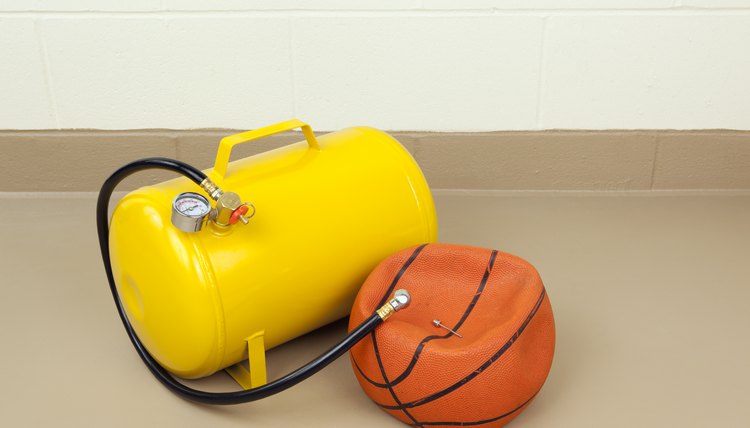
Deflating a basketball can be done with a basic hand pump and air pressure gauge and is only a few simple steps.
- Insert the needle into the black air valve on the basketball
- You might need to lubricate the ball with some water, saliva or spray lubricant so the needle slides in smoothly. The needle should not be connected to a pump
- Push the needle slowly into the ball, ensuring that you do not push the valve inside the basketball or puncture the inner bladder, both of which would make the ball unusable.
- Squeeze the ball to push the air out of the ball
Some of the ball’s air should start to come out when you have the needle in the valve, but you can speed up the process by either hugging the ball in your arms or standing or kneeling on the ball. If you only want a little air to come out of the ball, simply squeeze the ball with your hands until the desired amount of air remains in the ball.
No ball pump? No problem
If you do not have access to a traditional pump needle, there are other things you can use to let air out of an overinflated ball.
- Paper clips
- Bobby pins
- Sewing needle
When using these objects, simply insert these objects into the basketball’s valve and let your desired amount of air escape. When you have released the amount of air you wanted, just take the object out of the basketball valve and you are good to go.
When you remove the object, be careful not to pull the valve out of the ball as well.
Warning
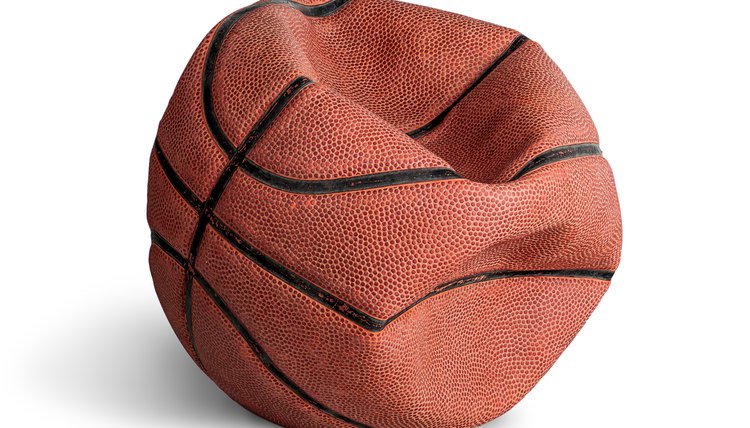
It is also important to note that you should always leave enough air inside a basketball that it maintains somewhat of its’ natural shape, as a completely deflated ball will damage the outer panels of the ball and may cause problems trying to pump air back into it.
Writer Bio
Chris Callaway started writing professionally in 2007 and has worked as sports editor, managing editor and senior editor of "The Racquet" as well as written for the "La Crosse Tribune" and other newspapers in western Wisconsin. He graduated from the University of Wisconsin-La Crosse with a Bachelor of Arts in English and communications.