How to Wash Meat & Poultry

How to Wash Meat & Poultry thumbnail
Uncooked steak can spread bacteria if washed incorrectly.

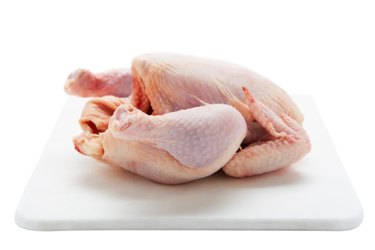
Bringing meat and poultry home from the store often leads to one common discovery: the meat or poultry is often sticky or gooey. While your first inclination may be to wash the raw food, the United States Department of Agriculture recommends against washing raw meat and poultry, because of the high risk of cross-contamination. You can instead soak the meat or poultry in water to remove any unwanted stickiness or even improve the taste by adding some salt. Does this Spark an idea?

Things You'll Need

  • Bowl
  • Salt
  • Water
  • Chlorine bleach
Show More

Instructions

    • 1

      Choose a bowl or dish that can hold the amount of meat or poultry you wish to soak. Fill the dish with water and place it in your sink.

    • 2

      Pour salt into the water, if you want to soak the meat or poultry in saltwater. Salt can improve the texture and taste of meat and poultry. The amount of salt you should add depends on your taste, the recipe and the amount of meat or poultry. For example, a general guideline for a turkey breast is ½ cup of salt for each quart of water.

    • 3

      Place the meat or poultry you wish to soak into the dish. Never combine meat and poultry. For example, if you want to rinse ham, steak and poultry, you must use three dishes.

    • 4

      Bring the pot or pan you plan to cook the meat or poultry in over to the sink. Remove the meat or poultry and place it into the cooking pot.

    • 5

      Clean your sink and surfaces around your sink with a bucket of hot, soapy water. Add 1 tbsp. of chlorine bleach per gallon of water.

Tips & Warnings

  • You should let the meat or poultry soak in the water for at least an hour if you chose to add salt. Heavier foods, such as turkey, will require longer soaking periods to fully benefit from the added salt.

Related Searches:

References

  • Photo Credit fresh steak image by berean from Fotolia.com

Comments

You May Also Like

  • How to Raise Chickens for Meat

    The lifespan of a meat chicken is not long. From birth to slaughter, the broiler will only need about two months. Once...

  • How to Eliminate Spoiled Meat Odor

    The smell of spoiled meat is unmistakable and nearly impossible to cover up. When bacteria is given the opportunity to multiply, it...

  • How to Know How Long to Store Meat and Poultry

    Do you always wonder just how long that fresh meat will last in your fridge? Well, you can look at the "sell...

  • How to Pressure Wash the Flesh From a Hide

    Pressure washing the flesh off of an animal skin can expedite the process of turning it into a hide. It is important...

  • CDC Hand Washing Technique

    According to the Centers for Disease Control and Prevention, hand washing is the surest way to prevent infection, illness and communicable disease....

  • Meat & Poultry Facts

    Meat and poultry are often the centerpiece of a meal. Adding a steak or a chicken breast to a meal is a...

  • How to Cook Steak

    Ruining a great cut of beef can be a common occurrence for the inexperienced cook. Let's explore 7 steps you can take...

  • How to Use a Meat Thermometer

    Use a nearly empty (a tablespoon is enough) dish washing soap bottle and fill gently with water. It can be used for...

  • How to Soak Pumpkin Seed or Sunflower Seeds in Salt Water

    Two fun harvest items from the summer garden are pumpkin seeds and sunflower seeds. Both of these garden plants are enjoyable to...

  • What Is Poultry Meat?

    Poultry meat is domestic or wild fowl that is grown or harvested for human consumption. Chickens, turkeys, pheasants, ducks, geese and quail...

  • How to Wash Your Face With Salt Water

    Salt water dries skin and salt also has natural antiseptic properties--this is why if you've ever had a small cut on your...

  • How to Preserve Meat With Salt

    Salt has been used in the practice of meat preserving for centuries because of its ability to draw out moisture and prevent...

  • How to Clean Chitterlings

    Chitterlings, or chitlins, are pigs intestines that are finger-cleaned of debris and fecal matter before they are cooked and consumed. Cleaning chitterlings...

  • How to Make Salt Water Taffy

    If you are looking for a different way to have family fun together, and have an exercise workout at the same time,...

  • How to Stop Food Contamination

    Remaining mindful of actions that can cause food contamination is important whether you're cooking for a banquet or your family. It's imperative...

  • How to Identify Spoiled Meat

    Food-borne illnesses such as E. coli and salmonella are responsible for millions of cases of food poisoning a year, just in the...

  • What Are the Procedures for Storing Meat & Poultry?

    Stored properly in the refrigerator or freezer, meat retains its flavor and extends its shelf life. There is less chance of it...

  • How to Prepare Game Meat Soaked in Water & Salt

    Game meat that has been soaked in salt water, commonly known as brined, tends to lose the gamey flavor often associated with...

  • How to Wash Watermelons

    Watermelons are a favorite fruit and they grow best in warm, Southern climates, although watermelons grow all over the United States. This...

Related Ads

Know Your Knives: Josh Ozersky’s Comprehensive Guide

I have a lot of knives. You probably do too. I really don’t know what to do with them all. There’s a Chinese cleaver, aï؟½

Featured