How to Replace a Master Cylinder on Vehicles
by Contributing WriterUpdated June 12, 2017If you have noticed your brake pedal slowly dropping whenever you apply sustained braking pressure, or brake fluid leaking from the back of your engine bay, the culprit could be a faulty master cylinder. Master cylinders have a tendency to wear out or become damaged by contaminates in the brake fluid. When this happens on your Vehicles it is important to replace the master cylinder quickly. This is a job most home mechanics can accomplish in an afternoon and requires only a few common tools.
Under The Hood:
- How to Replace a Master Cylinder on a Honda Accord
- How to Replace the Master Cylinder on 1996-2000 Dodge Caravans
- How to Replace the Master Cylinder on a 2500 RAM Diesel
How to Replace a Master Cylinder on a Honda Accord
Remove the two electrical connectors that are attached to the master cylinder on your Honda Accord. Push in the tabs on the sides of the connector, then pull the connector away from the master cylinder.
Use a 10 mm line wrench to open the two brake lines connected to the side of your master cylinder. Some brake fluid will spill out of them.
Remove the two 12 mm bolts that attach the master cylinder to the brake booster. It will be much easier to remove these bolts if you use an extension along with the 12 mm socket and wrench.
Pull out the old master cylinder and put the new one in its place. Mount the new one in place using the 12 mm bolts you removed. Tighten these with the socket wrench.
Attach the brake lines you disconnected in Step 2 to the new master cylinder. Begin threading these by hand, then use the line wrench to tighten them.
Attach the electrical connectors to the new master cylinder by pushing them into the appropriate ports. Each connector only fits into one of the ports; just attach each one to the port that fits.
Items you will need
10 mm line wrench
12 mm socket
Socket wrench
Socket wrench extension
How to Replace the Master Cylinder on 1996-2000 Dodge Caravans
Press the brake pedal a few times until you have a firm pedal.
Open the hood and prop it up with the hood support rod. Locate the master cylinder, which is mounted to the brake booster on the bulkhead between the engine and passenger compartments, just in front of the driver. Spray the top area of the master cylinder liberally with brake cleaner. Push down lightly on the master cylinder filler tube and turn it counterclockwise to remove it.
Locate the fluid-level sensor connector(s). There may be one or two sensors on your vehicle and they appear as wires, in a plastic housing, plugged into the side of the master cylinder. Remove each connector by depressing the locking clip and pulling straight out from the master cylinder.
Remove the brake lines from the master cylinder by turning the fittings counterclockwise with the flare nut wrench. Gently pull the brake lines away from the master cylinder.
Remove the bolts securing the master cylinder to the brake booster by turning the nuts counterclockwise with a socket and ratchet. Pull the master cylinder straight out, being careful to avoid spilling brake fluid on your vehicle's painted surfaces.
Verify that the rubber O-ring seal is in place on the new master cylinder and then slide the master cylinder in place over the mounting studs. Thread the nuts onto the studs by turning them clockwise. Tighten the nuts to 18 foot-pounds. You may have to hold the booster actuator rod in position as you install the master cylinder.
Fill the master cylinder with new brake fluid and thread the bleeder fittings into the brake line ports by turning them clockwise by hand. Install the rubber tubes onto the fittings and secure the tube ends in the master cylinder filler opening. Make sure the ends of the tubes are completely submerged.
Depress the brake pedal a number of times, slowly and evenly, while a helper watches to ensure that no more air escapes from the bleeder tubes. Remove the bleeder fittings by turning them counterclockwise and carefully set them aside. Reconnect the electrical fittings by firmly pushing straight in until they click.
Thread the brake lines into the proper ports by turning them clockwise by hand. Tighten the fittings to approximately 13 foot-pounds with the flare nut wrench. Have your helper press the brake pedal slowly and evenly five times and then hold it. Slowly crack open the front fitting by turning it a quarter-turn with the flare nut wrench and allow the brake pedal to fall to the floor. Have your helper hold the pedal on the floor as you tighten the fitting. Repeat this process until no more air bubbles appear. Repeat this process on the rear port.
Retighten the fittings to 13 foot-pounds. Install the filler tube by placing it on the filler opening and turning it clockwise. Refill the master cylinder to the "Fill" mark or 1/4-inch from the top.
Items you will need
Flare nut wrench
Socket set
Ratchet
Brake bleeder fittings
Bottle of brake fluid
Brake cleaner spray
How to Replace the Master Cylinder on a 2500 RAM Diesel
Replacing the Master Cylinder
Locate the rear passenger side brake housing on the rear axle. Open the bleeder valve and place a bucket or pan under the vehicle to catch the brake fluid. Bleed the brakes by pumping the brake pedal repeatedly until all of the fluid has been drained from the system, into the pan. Do not pour the brake fluid on the ground. Instead, place it in a sealed container, such as a coffee can, for recycling or disposal.
Open the hood and find the master cylinder, located on the driver's side of the motor. Use the appropriate box end wrench to unscrew the brake lines from the master cylinder, being careful not to kink or damage the lines in the process. Disconnect any and all electrical connections to the master cylinder. Depending on the year, the number of electrical connections may vary. Tag the wires so that you will know where to reconnect them.
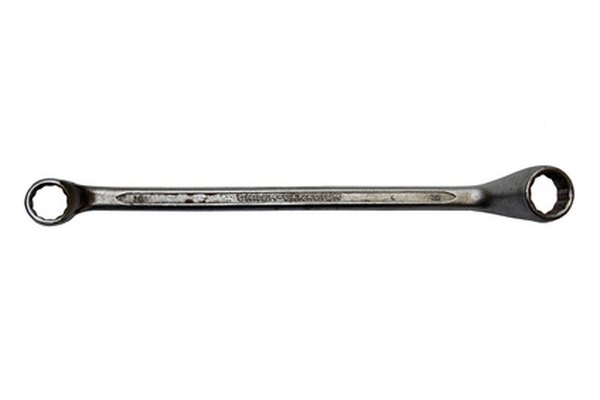
Use a ratchet to unbolt the master cylinder from the firewall of your truck. Next, use a box end wrench and ratchet of the correct sizes to unbolt the actuator arm that runs from the brake pedal to the master cylinder. This will free the master cylinder and allow it to be removed from the vehicle.

Remove the old cylinder and insert the new master cylinder. Reattach the new cylinder's actuator arm to the brake pedal. Reattach the master cylinder to the firewall. Reattach the brake lines and all the tagged electrical connections back into the plug-ins from which they were removed.
Refill the brake fluid tray to the top line with brake fluid, and with the rear passenger side bleeder valve open, pump the brake pedal until there is a stream of clean fluid flowing out of the bleeder and into the pan beneath the vehicle. Repeat this process with the other three brake bleeder valves. Place a large piece of cardboard or paper underneath the truck to complete the check for leaks in the master cylinder, as well as the individual brakes and brake lines. If there is still significant leakage, check the bleeder valves for tightness.
Items you will need
Ratchet set
5 gallon bucket
Box end wrench kit
1 gallon brake fluid


