

What Are the Dangers of Oil Furnaces?

Table of Contents
The most common danger of burning oil is the release of carbon monoxide into your home. A furnace functioning normally will produce by-products in the form of nitrogen, carbon dioxide, water vapor and carbon monoxide, but these gases are forced up the chimney and out of the house.
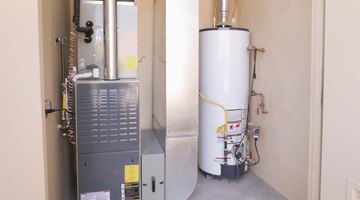
Oil furnaces pose a threat when they are dirty or malfunctioning.
How Does an Oil-Burning Furnace Work?
Liquid heating oil is delivered to your home and deposited in your oil storage tank. Before it can be burned, the liquid must be vaporized. This is the job of the oil burner, which vaporizes the liquid and mixes it with air. The pump delivers oil to the burner nozzle in a mist of fine droplets, according to Oil Heat America. The system separates the flame that ignites the oil droplets from the water or air that circulates to heat the house inside the heat exchanger. When properly vented, the oil-burning by-products move up the chimney and out of the home.
What Are the Dangers of Carbon Monoxide?
Carbon monoxide is an odorless, colorless gas that results from burning oil. Little exposure to carbon monoxide results in chronic headaches, lethargy, and difficulty breathing. Exposure to carbon monoxide at high levels is lethal. The Consumer Products Safety Commission reports that there are 200 deaths per year from carbon monoxide poisoning resulting from use of combustion appliances in the home.
Negative Air Pressure and Carbon Monoxide
All fires need air to burn. When a fire is burning indoors, it creates a vacuum effect. Naturally circulating air — usually from gaps and cracks in the house — helps gases rise up the chimney. Many furnaces rely on natural draft and this vacuum effect to function properly. When there is no natural draft assisting the chimney to pull gases out of the house, a backdraft occurs and those gases end up coming down the chimney and leaking into the house. You can easily create negative air pressure by weatherizing your home in the winter. Sealing and caulking around doors and windows — especially in older homes that have relied on the natural draft effect for years — does not allow enough air to keep bad gases flowing up and out of the chimney. Exhaust fans require “makeup air” if they are to function properly.
Dirty Chimneys and Carbon Monoxide
Oil soot is a by-product of combustion fuel. Its main components are carbon and sulfur and it will accumulate on the walls of a chimney and eventually fall to the base where it can end up on the furnace itself if the chimney is directly above it. Soot builds up to a point where it can restrict the flow of flue gases up the chimney, including nitrogen, carbon dioxide, and water vapor, but also carbon monoxide. Oil providers, while they may shovel out the base of the chimney and brush off the connector plugs, do not clean chimneys. The New York Chimney Sweep Guild recommends cleaning your chimney every spring to prevent soot buildup. Over time, soot can build up to a point where it will begin to eat away at the chimney itself.
What You Can Do
Install a carbon monoxide detector near the sleeping areas in your home. Make sure the alarm is loud enough to wake you. Do not rely on a detector alone to save you from carbon monoxide poisoning. The only real way to prevent the dangerous effects of this deadly gas is to keep your oil furnace clean and in excellent working order. Have it inspected annually. Check furnace connections to flue pipes and venting systems for signs of corrosion, leaks, rust gaps or holes. Make sure your filters and filtering systems are free from dirt and debris. Fans must be inspected to ensure that they are venting gases out and not into the house. Keep the combustion chamber and internal heat exchanger clean, up to date and free of debris. If you notice cracks in the heat exchanger, the furnace must be replaced. Keep your chimney clear of bird and other animal nests that prevent flue gases from traveling up and out.
Routinely Check the Air Pressure in Your Home
Perform two draft hood tests. Hold a stick of burning incense 2 inches from the draft hood while the furnace burner is on. If the smoke is drawn into the hood, you have the right air pressure to move gases out of the house. Perform this test twice on a day when there is no wind. If the smoke does not travel up the chimney, your flue is blocked and requires immediate attention.
References
Writer Bio
Based in Fort Collins, Colo., Dannah Swift has been writing since 2009. She writes about green living, careers and the home garden. Her writing has appeared on various websites. She holds a Master of Arts in English literature from the University of New Hampshire and is currently pursuing a certificate in paralegal studies.
Photo Credits
- Jupiterimages/Comstock/Getty Images
- Jupiterimages/Comstock/Getty Images
More Articles

