

How to Tell If Leather Has Dry Rot

Despite its durability, leather must be properly cared for to avoid dry rotting. Dry rotting results when the oils of the leather evaporate, causing the fibers to dry out and pull apart from one another. The evaporation of oil causes the leather become weak and possibly crack or break as a result.
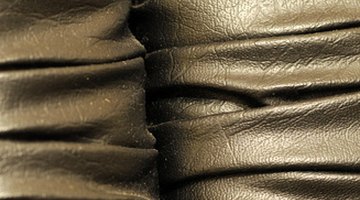
Leather of any type that has not been treated with preventative measures, such as through the application of leather conditioner, will begin to dry rot. After you can identify dry rotting leather, you may be able to stop the further progression of the rotting.
Tip
After the dry rotting process has begun, it is difficult to stop. However, you can attempt the prevention of any further deterioration by applying a leather preservative to the item. Also, you should store the leather item away from heat, and do not allow it to come into contact with water.
Warning
Do not allow the leather to dry out, as this can cause the dry rotting process to begin. To prevent the leather from drying out, apply a leather conditioner regularly.
Silicone-based leather waterproofer can help to prevent your leather item from becoming damaged by rain, but it may also hide any symptoms of the leather drying out. Even if you use silicone-based waterproofers, you will need to apply an oil-based conditioner to your leather when it begins to appear dry or experiences scuffing. The frequency of application depends on the age of the leather and the type of usage the item gets.
-
Observe the color of the leather. Leather that has begun dry rotting looks lighter and grayer in color. Dampen a small section of the leather with water. If the dampened area appears darker than the dry areas, the item may be suffering from dry rot.
-
Observe the texture of the leather. If you can easily identify any cracks, tears or breaks in the leather, it may be dry rotting. Leather begins to shrink as it dry rots, pulling the fibers of the leather apart. After these fibers are broken, they cannot be repaired.
-
Feel the leather's surface. If it feels hard or brittle to the touch, it may have begun dry rotting. Observe any powdery substance that may have been deposited onto your fingers. If you can see any powder after touching the leather, the item is likely very dry rotted.
The Drip Cap
- Despite its durability, leather must be properly cared for to avoid dry rotting.
- The evaporation of oil causes the leather become weak and possibly crack or break as a result.
- Observe the texture of the leather.
- If you can see any powder after touching the leather, the item is likely very dry rotted.
References
Writer Bio
Melissa Busse is a freelance writer covering a variety of topics, including natural health and beauty, budget balancing and parenting. She received her Bachelor of Fine Arts in studio art from Maryville University in St. Louis.
Photo Credits
- leather image by Zbigniew Nowak from Fotolia.com
- leather image by Zbigniew Nowak from Fotolia.com
More Articles

