

How to Add the Sparkles Back to a Sparkle Popcorn Ceiling

Popcorn ceilings applied throughout the 1970s and ‘80s often included a coat of glitter to add sparkle and create the illusion of space and movement. Ceiling glitter naturally flakes off over time, especially if applied to frequently cleaned and vacuumed surfaces.
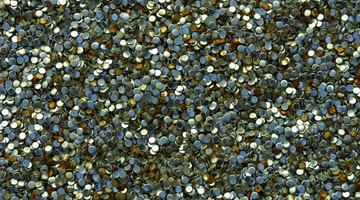
If you miss the cheerful retro aesthetic of a sparkly popcorn ceiling, you can apply more glitter with a glitter gun.
Things You Will Need
- Ceiling glitter
- Vacuum cleaner with brush attachment
- Long-nap roller
- Oil-based paint or clear coat
- Glitter gun
Warning
Wet the ceiling with oil-based paint or clear coat only. Water or latex paint may seep into the popcorn texture, causing it to flake off.
Apply glitter only after the last coat of paint or clear coat.
-
Purchase ceiling glitter from a paint store. For a subtle effect, choose clear or white glitter. Colored glitter may look gaudy and is best reserved for children’s play rooms, if used at all. Do not use standard craft glitter, which will sink into paint, wear out quickly and make a mess.
-
Vacuum the ceiling thoroughly, using a brush attachment to avoid scraping off any popcorn texture. Popcorn ceilings are notorious for trapping dust and dirt, both of which will prevent paint and clear coat adhesion.
-
Apply oil-based paint or clear coat to the ceiling using a long-nap roller. If you are using paint, choose a color that matches the ceiling's original paint as it is difficult to completely cover a popcorn ceiling. If your ceiling already has a significant amount of glitter on it, choose clear coat since opaque paint looks unattractive when applied over pieces of glitter.
-
Fill your gun with glitter and spray it evenly and sparingly over the wet ceiling.
The Drip Cap
- Popcorn ceilings applied throughout the 1970s and ‘80s often included a coat of glitter to add sparkle and create the illusion of space and movement.
- Vacuum the ceiling thoroughly, using a brush attachment to avoid scraping off any popcorn texture.
- If your ceiling already has a significant amount of glitter on it, choose clear coat since opaque paint looks unattractive when applied over pieces of glitter.
References
Writer Bio
Christina Sloane has been writing since 1992. Her work has appeared in several national literary magazines.
Photo Credits
- Photos.com/Photos.com/Getty Images
- Photos.com/Photos.com/Getty Images
More Articles

