How to Grow Cranesbill Geraniums

How to Grow Cranesbill Geraniums thumbnail
Cranesbill geraniums are hardy perennials.

Not all geraniums are true geraniums -- the common summer pot plant known as geranium is actually a pelargonium. True geraniums, also known as cranesbills, are hardy perennials from the genus Geranium. These dependable plants grow well throughout much of the United States. Flowers are pink, red, white or blue, and the foliage on some varieties turns red in fall. Plant hardiness depends on the cultivar, so read the label information carefully before choosing. Does this Spark an idea?

Things You'll Need

  • Organic material
  • All-purpose flower garden fertilizer
  • Pruners
  • Fungicide (optional)
  • Sharp knife, for division
Show More

Instructions

    • 1
      Cranesbills get their name from the shape of the seeds.
      Cranesbills get their name from the shape of the seeds.

      Site cranesbills in full sun to light shade, in moist, well-drained soil. Amend the soil with organic material, such as well-rotted manure or compost, if necessary.

    • 2

      Water geraniums often enough to keep the soil moist, but not soggy. These plants are drought-tolerant once established.

    • 3

      Fertilize cranesbills in early spring and again after the first flush of flowers. Follow package application rate directions carefully. Sprinkle the fertilizer over the root zone and water well.

    • 4

      Deadhead spent flower stalks to encourage reblooming. Cut flower stalks back to a leaf node, or all the way to ground level if there aren't any leaves.

    • 5

      Inspect leaves for leaf spots during hot, humid weather. Unless the plant is badly infected, leaf spots are not a serious problem, according to Iowa State University. If necessary, control this fungal disease by spraying with a fungicide or by cutting back the plant.

    • 6

      Shear plants to 6 to 8 inches from the ground if they become leggy or are infected with leaf spot. The plant will put out a new flush of leaves and flowers.

    • 7

      Cut off withered leaves after frost. This prevents disease spores from overwintering in the garden.

    • 8

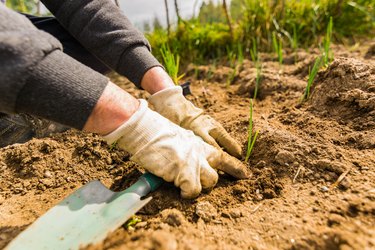
      Divide overgrown plants in spring. Dig up the entire plant and wash soil off the roots with a garden hose. Cut the roots into fist-sized sections, discarding the center of the plant if it's dead and leafless. Replant new divisions as soon as possible. Keep them well-watered during the first growing season.

Tips & Warnings

  • You can discourage fungal diseases like leaf spot by watering only at the base of the plant, being careful to keep the foliage dry.

Related Searches:

References

  • Photo Credit David De Lossy/Photodisc/Getty Images Geranium image by prinzesa from Fotolia.com

Comments

You May Also Like

  • How to Care for Cranesbill

    Cranesbill, which is also called Geranium Sanguineum, has bright magenta or pink flowers. Fall cranesbills have red foliage and are often called...

  • How to Grow Cranesbill

    Growing Cranesbill is almost the same as growing geraniums, and they need just a few things to survive. Find out the best...

  • How to Propagate Geraniums

    Come February and March, we all get a little antsy to get out and dig in the dirt. Geraniums can be wintered...

  • Yellow Edged Geranium Leaves

    Geranium leaves that begin to turn yellow are noticeable because of their scalloped edges and larger size. A number of factors contribute...

  • How to Propagate Sterile, Hybrid, Hardy Geraniums

    The Geranium genera consists of 300 species of perennials. They have roundish, toothed leaves and five-petaled flowers in shades of pink, purple...

  • How to Grow Annual Geranium (Pelargonium)

    Geraniums are tough, reliable annuals (grow just one year) that produce loads of flowers from spring through frost. The variety of scented...

  • Why Are My Geranium Leaves Turning Red?

    The plants commonly known by gardeners as geraniums are in fact pelargoniums. There are thousands of varieties grown for their attractive, colorful...

  • How to Split Ornamental Grass

    Ornamental grass is beautiful and it is easy to maintain in your landscape. With time, ornamental grass can begin to thin out...

  • How to Care for Geraniums

    Geraniums bloom throughout the summer, require only infrequent watering and come in many great colors. Most varieties are outdoor plants, but the...

  • How to Grow Rose Geranium

    The rose geranium is a hardy, evergreen shrub with lemon-rose scented pink and purple flowers. The leaves and the oil from the...

  • How to Grow Hardy Geranium (Geranium)

    Hardy geraniums come back year after year in the garden. They grow in clumps and have flowers in white and in all...

  • Growing Geraniums Indoors

    Geraniums are extremely easy to grow and make great indoor houseplants. Learn tips for growing geraniums inside your home in this free...

  • How to Get Seeds From a Geranium

    Geraniums have large, leafy foliage and tall flower stalks with red or pink blossoms. In the Southern United States, the flowers often...

  • How to Prune a Cranesbill

    The cranesbill, or geranium, consists of more than 300 species of pink, purple, blue or white flowers. Most of these plants will...

  • How to Fertilize Geraniums

    Geraniums are popular flowers that can thrive in pots or a garden. Geraniums are perennials, which means they can flower for more...

  • Should I Cut Back My Wild Geranium After They Have Bloomed?

    Long-lived, undemanding in care, and suitable for spreading groundcovers in woodlands and naturalistic gardens, wild geraniums are also known as cranesbills (Geranium...

  • Geranium Varieties

    Geranium Varieties. What most people think of as geraniums, the round-leaved red, white and pink flowering summer annuals, are actually Pelargoniums. True...

Related Ads

Featured