
Things You'll Need
- Soil test kit
- pH sticks or pH meter
- EC meter
- Jar(s)
Tips
Make sure to rinse your EC or pH meter between readings.
Testing soil pollution can be very complicated, and there is no way to detect all the possible pollutants with any kind of home test. The most common pollutants are petroleum products, heavy metals such as lead, industrial solvents, pesticides, salts and fertilizers or plant nutrients in such high concentrations that they become toxic. Only nutrients, salts and pH can be readily tested at home with a soil test kit, which costs from $20 to $150. Results from these kits are often unreliable because they test very small amounts of soil and are vulnerable to user error.
Testing pH
Collect a small soil sample from 2 to 6 inches below the surface and put it into a container. Use an uncontaminated tool, such as a clean garden spade, or scoop the soil with the container itself.
Add water to the container--just enough to make a liquid mixture but not so much that it's clear.
Insert your pH meter or pH stick. If you bought a soil test kit, it probably came with one or the other. Depending on the model of pH meter, it may require calibration with pure water or a calibration solution that would be provided. If the device does not have instructions for calibration, it is not required.
Write down your soil's pH value. A pH meter will give a two-digit digital readout of pH. A pH stick will change colors, and will also come with a chart indicating which colors correspond to which pH. Repeat steps one through four with a similar soil sample for additional accuracy. Soil can vary widely from one area to the next, and different plants have different pH requirements.
Testing electrical conductivity
Collect a small soil sample from 2 to 6 inches below the surface. Avoid contaminating the sample, and place it in a clean container.
Mix the soil with two parts water for every part soil. If available, used distilled or deionized water.
Insert the EC (electrical conductivity) meter. Write down the result. Soils with a conductivity above 4 dS/m (decisiemens per meter) are considered saline. However, salt-sensitive species may be affected by lower salt contents, and salt-tolerant species may survive much higher salinities.
Testing nitrogen, phosphorus and potassium
Collect multiple samples from different areas of your garden, being careful to take from the same depth in each location and to avoid contamination. By doing multiple tests, you may improve the accuracy of your home soil test kit.
Follow the instructions in the soil test kit. Unfortunately, the actual methods and procedures of different kits vary widely. Most likely, your kit will instruct you to put a marked volume of soil into a container and add a certain chemical. Some kits will even have the proper quantity in individually wrapped packages, or will tell you how many drops of liquid to add. Most kits give results based on optical comparison of the solution's color to a chart of nutrient values.
Compare the tested values to the requirements of your particular crop. Different fertilizers offer varying ratios of these chemicals.
Testing other pollutants
Contact your county's Cooperative Agriculture Extension Service, the nearest state university or a private soil testing company. Searching "cooperative extension" and your state's name on the Internet should yield results. Whoever you contact, tell them you want to test your soil for primary nutrients, heavy metals and hydrocarbon contamination.
Follow the instructions that come with your cooperative extension's sampling containers. Different labs use different procedures and may require varying amounts of soil.
Mail the soil samples to the lab. The lab will mail or email you a detailed analysis of your soil's fertility and also any possible contaminants. Most cooperative extensions will also offer advice on which fertilizer to apply and how much, or how to mitigate the effects of pollution. You may also ask them for advice on what organic fertilizers to use.
References
- "Soil Fertility and Fertilizers: an Introduction to Nutrient Management (7th edition)"; John Havlin; Aug 2004
Resources
About the Author
Eric Moll began writing professionally in 2006. He wrote an opinion column for the "Arizona Daily Wildcat" and worked as an editor for "Persona Literary Magazine." He has a Bachelor of Science in environmental science and creative writing from the University of Arizona.
Photo Credits
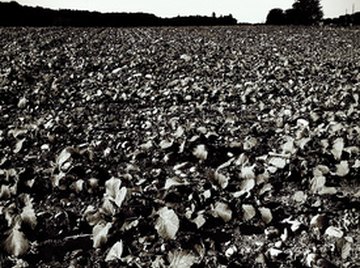
black earth image by arkna from Fotolia.com