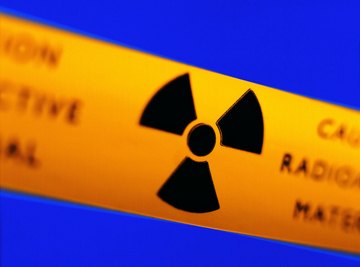

Radon – you've likely heard of it before but don't quite know what it is or what it means for your health. Radon is a radioactive gas that poses a danger to humans in some areas, and researchers estimate that one in every 15 homes could have high levels of radon. However, for radon to pose a danger to you, you'd need to be exposed for a very long period, which is why prevention is key!
But what is radon? What are the signs of radon in your home? And if your home has high radon levels, what can you do about it?
What Is Radon?
Radon is a colorless, odorless gas that occurs naturally during rock and soil breakdown. This gas typically only becomes problematic when trapped inside buildings. In a natural setting, uranium in rocks and soil releases radon gas, but this gas dissipates when it reaches open air. However, sometimes the gas enters through cracks in a building's foundation and accumulates indoors. Homes, office buildings, schools and other structures can accumulate radon gas, resulting in health problems to the occupants.
Signs of Radon in Your Home
Unfortunately, you won't find blatant signs of radon in your home. Radon doesn't have any color or odor, so you cannot see or smell if it has collected within your home. The only way to know for sure how much radon gas has accumulated in a building is to test the building using a radon kit or a professional testing company.
However, if you've been exposed to high levels of radon, you will not develop symptoms until the condition has worsened. Long-term radon exposure increases your risk of developing lung cancer.
Symptoms of Radon Poisoning
Radon poisoning itself does not display any symptoms. The only symptoms that arise from long-term exposure to radon are those from the development of lung cancer. Researchers estimate that radon exposure accounts for approximately 21,000 lung cancer deaths per year.
Some of the most common symptoms of lung cancer include:
- Persistent and worsening cough (2+ weeks)
- Weight loss
- Recurrent chest infections
- Fatigue
- Blood in cough or phlegm
- Feeling consistently out of breath
- Pain when breathing/coughing
Rare symptoms associated with lung cancer include:
- Shoulder/chest pain
- Finger curving or clubbing
- Facial/neck swelling
- Dysphagia (difficulty swallowing)
- Wheezing
- Hoarse or lost voice
How to Test Your Home for Radon
If you're concerned about your home potentially containing radon, be sure to talk to your parents about it! Testing your home is the best way to prevent potential radon exposure. Professional companies offer radon testing for offices, buildings and homes. Additionally, your parents can purchase at-home radon testing kits from hardware stores or online shopping, and you can follow the testing instructions together.
When using at-home kits, you simply follow the instructions given by the kit. After completing the instructions, you'll mail the kit to a lab, which will send you your results after testing for radon levels. The United Sates Environmental Protection Agency recommends taking action to reduce radon levels if the test shows numbers at or above 148 Becquerels per cubic meter or four picoCuries per liter.
What to Do if Your Home Has High Radon Levels
In most cases, you can reduce the levels of radon in your home through simple ventilation measures. Your parents can use a vent pipe and fan system, also known as a soil suction radon reduction system, to pull the radon gas out of your home and expel it into the outside air. By venting the radon from beneath your home, you can reduce radon levels and prevent further accumulation. Your parents can also reduce radon by increasing your building's number of air changes.
Additionally, your parents should make sure to seal any cracks in the foundation. The radon gas rises through foundation cracks, and by sealing those cracks you prevent the radon from escaping and moving up into your home.
By enlisting the help of your parents to take precautionary measures, testing properly and making adjustments if needed, you can keep your home free of excess radon and prevent the potential development of lung cancer. Because radon gas has no color or smell, if you have high levels of radon in your home, you likely won't know until it's too late. By preemptively testing your home, you can keep your whole family safe.
References
About the Author
Marina Somma is a freelance writer and animal trainer. She holds a B.A. in Psychology and a B.S. in Marine and Environmental Biology & Policy from Monmouth University. Marina has worked with a number of publications involving animal science, behavior and training, including animals.net, SmallDogsAcademy and more.
Photo Credits
Stockbyte/Stockbyte/Getty Images