How to Repair a Polyester Fabric

How to Repair a Polyester Fabric thumbnail
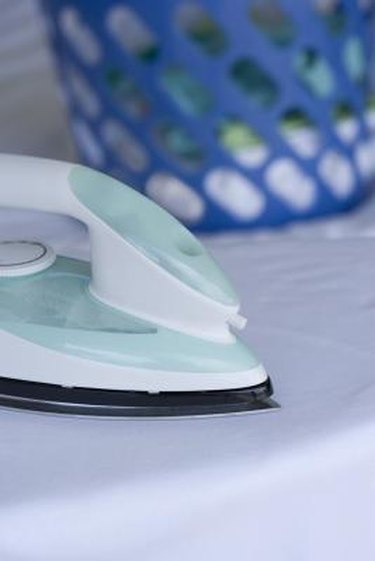
Ironing on a patch can extend the life of your polyester.

Polyester, because of its outstanding performance qualities, can be found in all types of fabric applications from jackets to the fabric coverings on some aircraft. Over time, polyester, like all fabrics, will wear, tear or develop holes. There are two basic ways to repair or mend fabric holes for most household applications. You can use an iron-on patch designed for polyester fabric repair or you can overlay a polyester patch to the back of your fabric and machine stitch the two fabrics together. Both types of repair will extend the life of the fabric. Does this Spark an idea?

Things You'll Need

  • Scissors
  • Iron-on patch
  • Polyester fabric
  • Iron
  • Sewing machine
Show More

Instructions

    • 1

      Clean up the tear with scissors to remove any irregularities that will prevent the fabric from laying flat.

    • 2

      Cut the patch material at least 1/2-inch larger than the hole on all sides. If you are using an iron-on patch be sure that the polyester of your original fabric can withstand the heat of the iron. If necessary, use a small portion of what you have removed to test the heat stability of fabric before attempting to iron the patch into place.

    • 3

      Place the fabric face-side down and flat so that the damage is reduced as much as possible (visually). Position the patch over the damage and iron the patch on the setting recommended by the patch manufacturer. Usually this is the cotton setting, which is fairly hot. Iron until the fabrics are well sealed together.

    • 4

      Place the fabric face down and flat if you are using the sewing mending technique. Position your patch material over your damaged area. Your patch material should also be polyester in the same basic color and weight of the original material. Pin the fabrics together and turn the fabric right side up.

    • 5

      Sew a zig-zag stitch across the patched area. Keep your stitch rows even for the best finished appearance.

Tips & Warnings

  • Match your thread color to your fabric if you are mending using the sewing machine or by hand.

Related Searches:

References

  • Photo Credit Jupiterimages/Polka Dot/Getty Images

Comments

You May Also Like

  • How to Fix a Tear in Polyester Fabric

    Polyester fabric is a strong and durable woven synthetic fabric that resists shrinking and wrinkles. Polyester fabric also resists mildew and machine...

  • How to Repair Polyester Netting Fabric

    Polyester netting fabric is often used for sheer draperies. The polyester fibers in the netting allow the fabric to drape well, resist...

  • How to Use Stitch Witchery in Mending Holes

    According to its manufacturer, Dritz, Stitch Witchery is a lightweight fusible web that uses moisture and heat to permanently bond two layers...

  • How to Repair a Polyester Tarp

    Polyester tarps come in many sizes, colors and weights, though the typical consumer tarps are blue. They have many uses around the...

  • How to Make a Cabbage Patch Doll Face

    Soft sculpture dolls had been around for years before Xavier Roberts created his signature Cabbage Patch Dolls. He replaced the traditional soft...

  • How to Shrink Polyester Fabric

    Polyester fabric is harder to shrink than natural fiber fabric, but synthetic fibers will shrink. The tricky part is adding enough heat...

  • How to Mend a Plush Animal

    You do not need to throw away a beloved plush toy just because it has experienced an accident or looks kind of...

  • Types of Polyester Fabric

    Types of Polyester Fabric. Polyester is a popular synthetic fabric. Synthetic means it is not grown naturally or available freely in nature,...

  • How to Repair a Polyester Resin Boat

    Polyester resin is made from polyester combined with Methyl Ethyl Ketone Peroxide (MEKP) to create a surface like hard plastic. Because polyester...

Related Ads

Featured