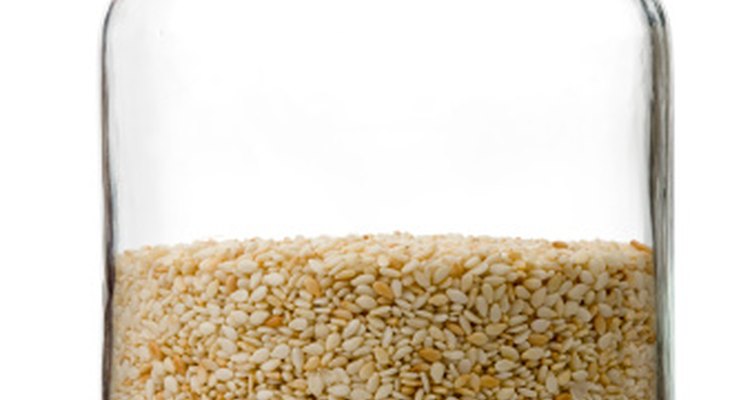
How to Soak Sesame Seeds

How to Soak Sesame Seeds thumbnail
Sesame seeds are the seed of the sesame plant,; they are often used in Middle Eastern and Asian cuisine.

Raw food enthusiasts (and all food enthusiasts) love sesame seeds because they are an excellent source of magnesium, iron and calcium, and they can be used in a variety of dishes. Soaking sesame seeds before eating allows you to germinate the seeds, which aids in digestion. It also expels any latent toxins within the seeds. Experts claim that soaking sesame seeds also promotes the absorption of minerals to your body. Soaking sesame seeds also discourages the presence of phytic acid, which is thought to make the seeds taste bitter and lower their nutritional benefits. Does this Spark an idea?

Things You'll Need

  • Measuring cup
  • 1 cup sesame seeds
  • 4 cups water
  • large bowl
  • breathable cloth (towel)
  • Wire-mesh colander
Show More

Instructions

    • 1

      Pour 1 cup of sesame seeds into your bowl. Add 2 cups of water.

    • 2

      Cover your bowl loosely with a breathable fabric, such as a towel. Make sure the towel covers the top of the bowl. Let stand for four hours.

    • 3

      Drain the water out of your sesame seeds in your mesh colander, then rise the seeds again.

    • 4

      Return the seeds to the bowl and add 2 cups of water. Place the towel over your bowl again. Soak for four hours.

    • 5

      Drain the water sesame seeds in your colander and rinse the seeds again. Your seeds are ready for consumption.

Tips & Warnings

  • Soaking works best at room temperature. You can soak your seeds in a refrigerator if necessary, but you will have to double the amount of time they spend in water.

Related Searches:

References

  • Photo Credit Anna Yu/Photodisc/Getty Images

Comments

You May Also Like

  • How to Recondition Sesame Seeds

    When natural and raw food advocates "soak and sprout" nuts and seeds, they aren't necessarily growing alfalfa or broccoli sprouts for salads...

  • How to Soak (Sprout) Grains, Nuts and Seeds

    Grains, nuts and seeds contain enzyme inhibitors. Enzyme inhibitors are mother nature's way of delaying them from sprouting before the next growing...

  • How to Plant Sesame Seeds for Doves

    Bird watchers and hunters alike use food plots to attract their prey to a convenient location. For those searching for doves, sesame...

  • How to Soak Your Oatmeal

    Oatmeal is a healthy and nutritious breakfast, but these days many people use the pre-packaged instant oatmeal that may be missing some...

  • How to Soak Vegetable Seeds

    When you plant a vegetable garden, it can take up to a couple of weeks for the seeds to germinate and sprout....

  • How to Reduce Phytic Acid in Food

    Phytic acid is a type of phosphorous compound found in foods such as seeds, grains, beans and nuts that affect your body's...

  • How to Use Sesame Seeds

    When the pod containing sesame seeds matures it bursts open with a pop. Learning how to use sesame seeds is just about...

  • Health Benefits of Black Sesame Seeds

    Black sesame seeds are small, flat seeds, dark in color, that are used in cooking or for their medicinal properties. The use...

  • How to Adhere Sesame Seeds to Bread Crust

    Sesame seeds come from the sesame flowering plant that grows naturally in tropical regions throughout the world. The edible seeds grow in...

  • How to Process Sesame Seeds

    Sesame seeds are a source of vitamin B6, protein, iron and calcium. The seeds are often added to breads, bagels and crackers...

  • How to Cook With Seaweed

    Consider seasonings that complement the flavor of seaweed as you create your own recipes. Asian seasonings are classic complements. Toasted sesame oil,...

  • How Are Sesame Seeds Grown?

    Sesame seeds are produced by the sesame plant, or, Sesamum indicum. Sesame seed cultivation is believed to date to 3000 BC, and...

  • How to Germinate Sesame Seeds

    Most people are familiar with sesame seeds because they are commonly used on top of hamburger buns and other breads and dishes....

  • How to Sprout Sesame Seeds

    Sesame seeds have a slightly sweet flavor, and you can eat them alone with a bit of honey or add them to...

  • How to Do a Home Foot Soak and Pedicure

    Foot soaks and pedicures are a relaxing way to refresh tired toes and soles. While you can head to your local nail...

  • How to Make Your Own Toasted Sesame Seed Oil

    Toasted sesame seed oil, used in many Asian and Middle Eastern dishes, contains the same nutrients found in regular sesame seeds, including...

  • How Long Do I Soak Broccoli Seeds to Sprout?

    Broccoli sprouts are nutritionally dense greens, and in 1997, Dr. Paul Talalay from John Hopkins University found they are richer in cancer...

  • How Long Should You Soak Pumpkin Seeds in Water?

    To have tasty and healthy pumpkin seeds, you need to soak them to rid them of enzymes and make them easier to...

  • Are Sesame Seeds Tree Nuts?

    Sesame seeds grow in pods on plants and their cultivation is traceable back more than 4,000 years to the farmlands of Assyria...

  • How to Soak Seeds Before Planting

    Seeds can be placed directly into the soil and sprouted, but with the fluctuating environmental factors, many of the seeds will perish...

Related Ads

Know Your Knives: Josh Ozersky’s Comprehensive Guide

I have a lot of knives. You probably do too. I really don’t know what to do with them all. There’s a Chinese cleaver, aï؟½

Featured