How to Deadhead a Bee Balm Plant

How to Deadhead a Bee Balm Plant thumbnail
Prune off dead bee balm stalks after the flowers die.

Bee balm plants, which are also called monarda, grow in bushy, vertical stalks and produce brightly colored flowers in the spring and summer. The flowers attract bees as well as butterflies, which is where the plant gets its name. The bee balm plant is a repeat bloomer, which means that after one bloom fades, a new one replaces it. To encourage quicker blooming, you can deadhead the flower stalks, which removes the wilted blooms. Does this Spark an idea?

Things You'll Need

  • Hand pruners
Show More

Instructions

    • 1

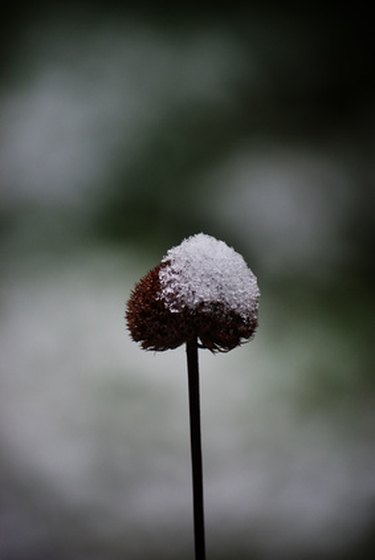
      Identify any flower blooms on the bee balm plant which are wilted, turning brown, or stalks that have rounded tops but no petals. These are the old blooms which must be removed by deadheading.

    • 2

      Grasp the stalk of one of the dead flower stalks with your hand and look at the stem. Trace the stem down until you locate the first small, green projection on the side, which is a bud. The bud should be facing the outside of the plant.

    • 3

      Cut the stem off, using hand pruners, 1/4 inch above the outward facing bud. Place the cut-off section of the stalk into the trash or into a compost bin.

    • 4

      Repeat the deadheading process to remove all remaining dead and wilted blooms on the bee balm plant.

Tips & Warnings

  • Deadheading can occur throughout the growing season, but the majority of it will take place in the fall as the plant stops blooming for the year.

Related Searches:

References

Comments

You May Also Like

  • How to Cut Off a Flower Stalk on a Day Lily

    Day lilies form cheery, colorful clumps of blooms which are commonly used as specimen plants, ground covers, shrub borders and perennial flower...

  • Where Are Bee Balm Flowers Located?

    The Bee Balm flower is also known as Wild Bergamont and, scientifically, Monarda. This wild flower is just as easy to find...

  • How to Care for Bee Balm Flowers

    Bee balm flowers are known for their showy white, red, or pink blossoms that burst forth from flower or herb gardens in...

  • What is the Procedure for Deadheading a Bee Balm Plant?

    Many people don't realize that bee balm, from the genus Monarda, is a perennial herb with many uses. Keeping bee balm healthy...

  • How to Prune Bee Balm

    Bee balm, also known as Monarda didyma L., is a lovely and hardy perennial that grows to a height of about 2...

  • How to Care for Bee Balm

    An aromatic herbaceous perennial that is a member of the mint family, bee balm is known as Monarda didyma, bergamot and Oswego...

  • How to Deadhead Flowering Plants

    Deadheading is the term used for clipping flowers that have finished blooming - spent blooms. There are good reasons to take the...

  • Powdery Mildew on Bee Balms

    The bee balm features bright blooms that will attract butterflies and hummingbirds to your garden. You can also collect the herb's leaves...

  • How to Make Bee Balm Tea

    With a healthy does of antioxidants, bee balm tea has properties that make it a natural diuretic, antiseptic and stimulant. Bee balm,...

  • How to Prune a Bee Balm Plant

    No butterfly garden is complete without the addition of the bee balm plant (Monarda fistulosa). Also known as wild bergamot and a...

  • Bee Balm Information

    Bee balm is an herbaceous member of the mint family. It is commonly grown in gardens and can be found along roadsides...

  • What Is Bee Balm?

    Known as Monarda fistulosa and Monarda didyma, the herb commonly called bee balm is known for its color, scent and edible/medicinal uses....

  • How to Grow Bee Balm

    The hardy perennial bee balm (Monarda) belongs to the mint family and grows in zones 4 to 9. Different varieties produce red,...

  • Perennial Flowers That Attract Bees

    Attracting bees to your garden is a rewarding project that involves planting a variety of blooming plants in a range of colors....

Related Ads

Featured