How to Keep Your Dog's Urine From Killing Grass
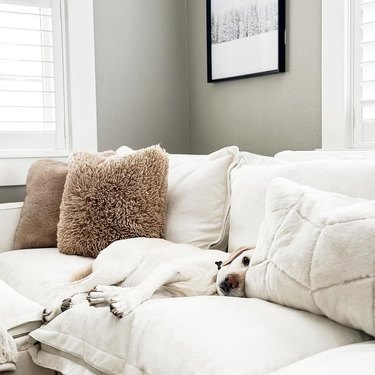
Lawn burn is when green grass develops yellow or brown spots. It can be caused by a number of factors such as fertilizer or fungus. However, if you have a canine companion, it is likely that your dog's urine is causing the spots. Dog urine contains nitrogenous waste and ammonia that can kill the grass it touches. The urine spots are unsightly, but there are ways to keep your dog's urine from killing your grass. Does this Spark an idea?
Things You'll Need
- Leash
- High-quality dog food
- Water
- Unsalted beef or chicken broth
- Water hose
Instructions
-
-
1
Take your dog to a different space in the yard every time you take it out. Going in the same spot increases the chance for lawn burn. Lead your dog to different areas or take it to an area without grass, such as a mulched flower bed or gravel driveway, using a leash if needed.
-
2
Change your dog's diet. Higher-quality foods have the right balance of proteins for a dog's digestive system. This helps eliminate excess nitrogenous waste that occurs in the urine. You can also increase your dog's water intake. The more water the dog ingests, the less concentrated the nitrogenous waste and ammonia will be in the urine, helping eliminate lawn burn. To encourage more water intake, add 1 tbsp. of unsalted beef or chicken broth to the water bowl.
-
-
3
Spray down urine spots within 24 hours of your dog's elimination. Use a water hose or a watering can. This will dilute the urine concentration and help minimize the effects of the urine.
-
4
Keep your lawn healthy. Do not apply too much or too little water and fertilizer. A healthy lawn is less likely to experience lawn burn.
-
1
Tips & Warnings
If all else fails, consider replanting your lawn with a heartier grass. Avoid Kentucky bluegrass or bermudagrass, which are more affected by lawn burn. Choose grasses like fescues and ryegrass.
If the culprit is a neighbor's dog, consider putting up a fence to limit access to your lawn. Or install a motion activated sprinkler system to scare unwanted dogs away.
Before making dietary changes, discuss the changes with your vet to ensure they are safe for your dog.
References
- Photo Credit The dog#5 image by Beausoir from Fotolia.com