

Is It Illegal to Convert a Gas Furnace to Electric?

Gas and electric furnaces are two common heating options for residential buildings. Together with heat pumps, they have largely replaced older oil furnaces. A furnace conversion is designed to switch furnaces from one fuel to another. This process is not illegal, but converting a gas furnace to an electric furnace cannot be done because of the different components in each system. Conversion only works with fuel systems, and electric furnaces do not use any fuel.
Furnace Conversion
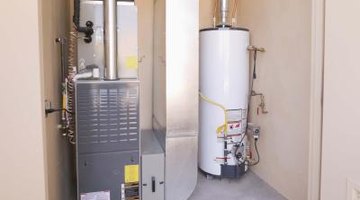
A true furnace conversion is designed to keep the primary components of the furnace but change a few smaller parts so a different fuel can be used. A common type of conversion is when a propane furnace is converted to a natural gas furnace. In this case, small nozzle and adapter changes are necessary in the gas lines and burners, but the rest of the system can stay largely intact, which saves a considerable amount of money.
Conversion Possibilities
Furnace conversion is not limited only from propane to natural gas. Modern furnaces can also be switched in reverse, from natural gas to propane. With additional replacement components, older oil furnaces can be converted to propane or natural gas as well. But when electricity is involved, conversion becomes impossible. Electric furnaces use heating elements, coils of tightly insulated metal that produce heat through electrical resistance. They do not have the ignition and burner systems that oil, natural gas and propane furnaces share, which makes a conversion between gas and electric systems unlikely.
Furnace Replacement
Instead of conversion, a gas furnace can be entirely replaced with an electric furnace. This solves the component issues, but even with this project you should consult a contractor before choosing a system. Building codes may be an issue when it comes to duct work. Sometimes duct work designed for a gas furnace may not be suitable for an electric furnace and may need to be altered or replaced, depending on the models and age of the systems involved.
Electric Furnace Considerations
Electric furnaces do not produce exhaust like gas furnaces, but they do have their downsides. Switching from a gas furnace to an electric furnace does not usually save money. While gas prices fluctuate and change based on location, most gas expenses will be consistently lower than running an electric heating element, which requires a very high flow of current to operate.
References
Writer Bio
Tyler Lacoma has worked as a writer and editor for several years after graduating from George Fox University with a degree in business management and writing/literature. He works on business and technology topics for clients such as Obsessable, EBSCO, Drop.io, The TAC Group, Anaxos, Dynamic Page Solutions and others, specializing in ecology, marketing and modern trends.
Photo Credits
- Jupiterimages/Comstock/Getty Images
More Articles

