This Season
 

How to Grow Russian Sage (Perovskia 'Blue Spire')

The 4-foot tall, airy gray-green stems and deep blue flowers of this perennial (meaning it grows back year after year) look fabulous in the sunny summer garden.

Related Searches:
    Difficulty:
    Easy

    Instructions

    Things You'll Need

    • Bypass Pruners
    • Compost Makers
    • Fertilizers
    • Garden Trowels
    • Mulch
    • Plants
    1. Planting Russian Sage

      • 1

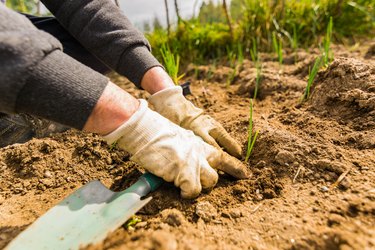
        Plant Russian sage in full sun in well-drained soil.

      • 2

        Add a light application of organic fertilizer to the planting hole.

      • 3

        Set the plants 1 foot apart.

      • 4

        Place the plants no deeper than they were in their containers.

      • 5

        Mulch around but not on top of the plants with 3 inches of organic compost.

      • 6

        Water well until soil is completely moist.

      Choosing Russian Sage

      • 1

        Look for Russian sage at nurseries spring through fall.

      • 2

        Buy Russian sage in 4-inch to 1-gallon containers.

      • 3

        Choose healthy-looking plants with signs of new growth in leaf and flower buds.

      Caring for Russian Sage

      • 1

        Cut down last year's growth - leaving 3 or 4 inches - in early spring using bypass pruners.

      • 2

        Mulch around but not on top of the plants with 3 inches of organic compost in early spring.

      • 3

        Water well until soil is completely moist; do this weekly in summers with no rainfall.

    Related Searches

    Read Next:

    Comments

    You May Also Like

    • How to Grow Russian Sage (Perovskia "Blue Spire")

      Russian sage is a very versatile plant that can handle a little bit of frost and an occasional heavy freeze. Grow Russian...

    • Russian Sage Growing Stages

      Russian sage (Perovskia atriplicifolia) is grown for its showy flowers and its fragrant, culinary-capable leaves. When grown in the US, Russian sage...

    • How to Plant Russian Sage

      Add Russian sage to the landscape or perennial garden in a sunny spot with well-drained soil and the result is a plant...

    • Russian Sage Maintenance

      Named Perennial Plant of the Year by the Perennial Plant Association in 1995, the Russian sage (Perovskia atriplicifolia) is a favorite among...

    • How to Take Care of Russian Sages

      Russian sage, or Perovskia, is native to Afghanistan and Tibet. The plant has delicate lacy leaves and blue flowers that bloom from...

    • How to Care for Russian Sage

      Russian sage (Perovskia atriplicifolia) is a shrubby, deciduous plant with pale-gray stems and silvery, gray foliage on plants that grow as tall...

    • How to Take Care of a Overgrown Russian Sage

      Russian sage grows as a small shrub, suitable for border planting or as a specimen plant in its own bed. It is...

    • About Russian Sage

      Russian sage makes a spectacular addition to any landscaping. Its gray-blue leaves and spray of bluish-lavender flowers blend with other plants easily....

    • How to Prune a Russian Sage Plant

      The Russian sage (Perovskia atriplicifolia) produces light blue flowers and gray-tinted green foliage. The Russian sage plant needs pruned after the first...

    Follow eHow

    Related Ads