How to Do Genealogy for Beginners

How to Do Genealogy for Beginners thumbnail
Find out your family history.

Genealogy is one of the fastest growing hobbies for families. Tracing your family history and expanding your family tree has become a renewed interest and passion. Finding out new things about your family's history is like going on a "treasure hunting" journey. The information you obtain is invaluable and can be passed down to future generations as their legacy. Genealogy may be defined as an account or history of the descent of a person or family from ancestors in the natural order of succession.

Instructions

  1. Write Down What You Know

    • 1

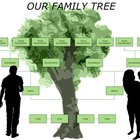
      Create a family tree chart or download free forms from the Family Search website. Start with yourself and your immediate family. A family tree always grows exponentially (1 self; 2 parents; 4 grandparents; 8 great-grandparents; 16 great-great grandparents; 32 great-great-great grandparents).

    • 2

      Fill in what you know about yourself, your parents and grandparents. Include dates and places of births, baptisms, marriages and deaths. If you do not know exact dates and places, estimate them.

    • 3

      Circle missing info on your family tree chart and decide where to go next.

    Talk With Your Family

    • 4

      Contact your extended family and friends. Record any useful information and stories they provide. Ask about copies of birth, marriage and death certificates as well as the family Bible, journals, letters, photos and other records that might be available. Often parents and grandparents will keep school records, medical records, diplomas and other family documents. Ask them for names of other people you should contact.

    • 5

      Talk to relatives to help fill in the blanks on your family tree. Older relatives, especially, might remember generations that are no longer alive. Other family members may have already researched your family history and might be willing to share their work. Help older relatives to open up by asking them to share a story about their childhood. Remember to be respectful and considerate.

    • 6

      Take accurate notes and transfer the information to your family tree. Tape record the interview if possible, which will provide an added benefit of an oral history.

    • 7

      Focus on one person/one surname at a time. It is suggested that you choose the furthest ancestor that you know on either your maternal or paternal side. Identifying information about one person will often lead to other family members you may not know existed, such as the names of siblings, spouses and children.

    Search Other Sources

    • 8

      Explore online sources such as Ancestry and Family Search for free access to family history records, guides and resources. You will also find links to other helpful websites.

    • 9

      Explore local records in your family's places of residence, if possible. Explore gravestones in cemeteries, immigration records (from Ellis Island, for instance), property deeds, army records, social security and census information. The National Archives offers a wealth of information on Americans. Consult church registers, newspapers, municipal records, estate records (for wills and inventories), deeds, naturalization papers (before 1906) and local and state archives, historical societies, libraries and published family histories.

    • 10

      Read books about genealogy. It is always very helpful to do as much background reading as possible to become familiar with the basic methodology of genealogy research. Different types of records or sources require different methods of interpretation or organization.

    • 11

      Join a genealogy club or society. The key to genealogy research is sharing information. Join a local genealogy club or society, where you will meet veteran researchers who can share their successful research tips. These organizations often sponsor "how to" workshops, lectures or classes that meet a variety of skill levels, from beginner to expert. As your confidence increases, seek out national genealogical organizations for more advanced knowledge.

Tips & Warnings

  • Your relatives and family friends may be interested to learn more about their ancestors and heritage. Use social networking sites such as Facebook, publish a family history e-newsletter or blog, or present information at a family reunion.

  • If you hit a research "brick wall," consider hiring a professional genealogy researcher to assist you further in your efforts in tracing your ancestral lineage and expanding your family tree.

  • Do not become alarmed or frustrated if you find common discrepancies such as various spellings of your family's surnames, incorrect dates of birth and death, the wrong age of an ancestor or errors on census records.

Related Searches:

References

  • Photo Credit history image by Ewe Degiampietro from Fotolia.com blue people image by cico from Fotolia.com

Comments

You May Also Like

  • Methodology of DNA Fingerprinting

    DNA fingerprinting or DNA profiling is the use of DNA extracted from a sample, such as hair or blood, to identify an...

  • Mosaic Ideas for Beginners

    Mosaic Ideas for Beginners. A mosaic is a craft project that uses many individual pieces to create a totally different picture or...

  • How to Start a Genealogy Research Business

    With the popularity of genealogy research, it is only natural that genealogy enthusiasts would consider turning their hobby into a business. Genealogy...

  • What Is a Common Ancestor?

    The term common ancestor can basically refer to two things. One is the scientific search for a human who is the common...

  • How to Do Genealogy

    Searching your family tree is very exciting. You will find information about your ancestors and find family members related to you in...

  • Genetic Genealogy Projects

    Genetic genealogy uses DNA testing to prove or disprove relationships between two or more people. Genealogists use this testing to find common...

  • How to Focus Your Genealogy Search

    When retracing your family history, avoid becoming overwhelmed with organizational techniques. Stray from random searches. Give yourself a solid starting-off point to...

  • How to Do a LDS Genealogy Search

    Back in the day, doing an LDS (Mormon) genealogy search meant going to the Family History Library in Salt Lake City, or...

  • How to Become a Genealogy Researcher

    Becoming a genealogy researcher is made possible by the wealth of information on the Internet, but it requires a little bit of...

  • How to Do Free Genealogy Research Online

    Ancestry.com is one of the premier places to do genealogy research online but after a two-week free trial period, accessing its records...

  • How to Find Photography Colleges For Beginners

    If you've spent your whole life taking photos of people, using roll after roll of film and memory stick upon memory stick...

  • How to Join an Investment Club

    If you are new to investing and don't want to spend the money to hire a financial consultant, one of the smartest...

  • How to Do Genealogy Research at the LDS Utah Center

    The Latter-day Saint Family History Library contains the largest collection of genealogical information in the world. The library, originally founded by the...

Related Ads

Featured