Having your dog spayed is not only the responsible thing to do but this surgical procedure can also keep a female dog healthier in the long run by reducing her risk of contracting certain cancers. While most spays go off without a hitch, occasionally, a dog can become ill during the recovery process after surgery.
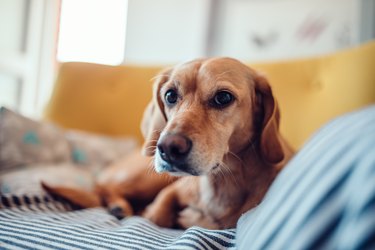
Video of the Day
Some common ailments that dogs can experience after a spay include vomiting and diarrhea. There are a number of reasons a dog might become ill during the post-op phase, and all will require attention and care during the healing process to keep matters from getting worse.
Video of the Day
Do dogs get sick after a spay?
A spay is a fairly quick outpatient procedure, but it is nevertheless a surgery, and dogs, like people, can experience a variety of reactions to it. If your dog is vomiting after a spay, for example, it could be due to nausea from the anesthetics she was given. The anesthetic usually wears off in a day but can sometimes linger a bit longer post-surgery.
Post-op antibiotics and pain medications can also lead to nausea in some cases. A dog throwing up a week after being spayed, however, could indicate a more serious medical issue, such as a bacterial infection, either internally as a result of the surgery or at the incision site.
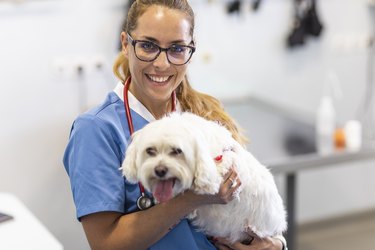
Caring for a sick dog after spay surgery
To care for a dog who is vomiting after a spay, offer only a small amount of food and water, specifically meals one quarter the size of regular meals, and feed her more frequently throughout the day. Wait to see if she can keep the smaller meals down before offering more food.
Also, you can give her some ice cubes if she seems thirsty, and you should increase her food intake slowly over the next few days. Some vomiting after a spay is normal, but if it continues for more than 24 hours, you should contact the veterinarian, especially if vomiting is joined by lethargy or diarrhea.
If your dog has diarrhea after a spay, you can try adding bland ingredients to her food, like white rice or a bit of oatmeal. Like vomiting, diarrhea can be the sign of complications or medication side effects, so if these symptoms persist for more than one day, contact your veterinarian, who might suggest prescription dog food or medication. Alternatively, if your dog has not had a bowel movement for several days after surgery, you can try adding wet dog food to her diet. Always make sure she has plenty of water to drink.
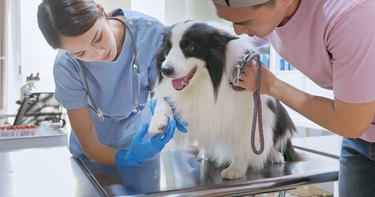
Post-surgery care for a dog the first night after spay
To see the best results from a spay procedure, your dog will be examined by the veterinarian to be sure that she is healthy enough to undergo the surgery and all that comes with it, including anesthesia. The first night after surgery and for several days, it's recommended that you keep your dog calm and mostly indoors. Limit her access to rigorous exercise, which can include something as simple as jumping on and off the couch. She might enjoy a cozy bed in the crate or kennel.
Excessive licking of the surgical site or sutures should be discouraged. Licking can be prevented with the help of an Elizabethan collar, also called an e-collar. Finally, don't bathe your dog for at least a week after her spay surgery and check her incision site a couple of times a day to make sure there is no bleeding or signs of infection, which can impact your pet's health.
The bottom line
Fixing your dog is highly encouraged. Spay/neuter surgeries are safe and common. However, complications after spay surgery, such as vomiting or diarrhea, can happen. Vomiting the night after surgery is normal, but if it continues for longer than 24 hours, consult a veterinarian, especially if diarrhea is also a side effect. Always follow post-operative instructions carefully and monitor a pet's incision site for infection.