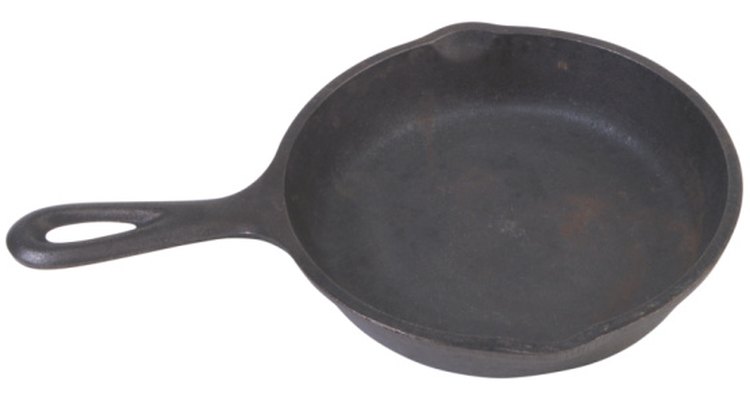
How to Cure a Cast Iron Pot

How to Cure a Cast Iron Pot thumbnail
How to Cure a Cast Iron Pot

Cast iron pots cook beautifully, and when properly cured (or seasoned), are very easy to care for and cook with. Curing your cast iron pot will take a little time and effort the first time. However, with careful care afterward, your cast iron pot should last a lifetime--which is why so much cast iron cookware can be found passed down through generations and sold in resale shops. Well-cured cast iron provides a unique flavor to your food. Over time, it may provide you with stories to hand down to the next generation as well. Does this Spark an idea?

Things You'll Need

  • Dish soap
  • Scrubbing pad
  • Dish gloves (optional)
  • Vegetable shortening
  • Paper towels
  • Oven
Show More

Instructions

    • 1

      Preheat your oven to 400 degrees Fahrenheit.

    • 2

      Scrub your cast iron pot with dish soap, a dish scrubbing pad and the hottest water you can stand. Use dish gloves to help you stand hotter water than you could with bare hands.

    • 3

      Rub a coating of vegetable shortening all over the inside surface of your cast iron pot. Make sure to coat the entire interior. Use a paper towel to rub it thoroughly into the entire surface.

    • 4

      Bake your greased cast iron pot in the 400 degree oven for one hour. Turn the oven off and let both oven and cast iron pot cool to room temperature; you can leave it overnight, if you'd like.

    • 5

      Remove the cast iron pot from the oven and preheat to 400 degrees again. Coat with vegetable shortening one more time and bake for another hour. Allow to cool to room temperature and wipe away any excess oil.

    • 6

      Cook in your cured cast iron pot. Do not ever use soap on your cast iron pot once it has been fully cured. Clean it only with hot water and a paper towel.

Tips & Warnings

  • Scrubbing a newly acquired cast iron pot is important whether or not the pot is new or used. New cast iron is often coated with wax or another coating meant to protect it. Used cast iron may have any number of things coating it, depending on how the previous owners used it. Both situations require thorough scrubbing prior to the curing process.

  • Some cast iron cookware manufacturers recommend that you fry in their cookware only the first few times you use it. If your cookware manufacturer suggests this, follow their suggestion. It will complete the curing process and give your cast iron pot the rich black patina that well cured cast iron cookware has.

  • Do not be alarmed if your cast iron pot feels sticky after it has been baked in the oven, prior to your first cooking experience with it. This simply means it has not yet fully cured. After cooking a few times, the stickiness will go away.

  • Avoid using lard, butter or other animal-based shortenings to cure your cast iron. These fats can go rancid and are not suitable for the curing process. Lard was used historically, prior to the science of food safety.

  • If buying used cast iron, examine it carefully before purchase. Avoid buying any cast iron that looks as though paint has been applied. It may be masking flaws that have been filled with non-foodsafe quick fixes, such as epoxy.

Related Searches:

References

  • Photo Credit Jupiterimages/Photos.com/Getty Images

Comments

You May Also Like

  • How to Cure Used Cast Iron Cookware

    Ideally, used cast iron cookware will have a thick layer of seasoning, or cooked-on oil, which gives it a smooth, non-stick finish...

  • How to Cure Black Iron Pots

    Cast iron pots and pans are high-quality cookware products. They provide even heat distribution and retain heat more efficiently than other types...

  • How to Season an Iron Pot

    Many cooks brag that they use the same cast iron skillet that their grandmother used. Because cast iron is so sturdy, this...

  • How to Cure Cast Iron Dutch Ovens

    Curing or seasoning cast iron is the process of applying a thin layer of carbon to the surface of the metal to...

  • How to Cure Stainless Steel Pots & Pans

    Stainless steel pots and pans do not need curing or seasoning in the same way cast iron cookware does. The quality of...

  • How to Clean Cast Iron Pots

    Taking proper care of your cast-iron pots and pans can make them last for decades. Cast iron naturally develops a non-stick coating...

  • How to Clean & Cure Cast Iron

    Cast iron has been used as cookware for hundreds of years. It has remained popular due to its heat retention, diffusion abilities...

  • How to Season a Cast Iron Pot

    Most cast iron on the market today is purchased pre-seasoned, meaning it is ready for use right out of the box. Older...

  • How to Cure a Cast Iron Pan

    How to Cure a Cast Iron Pan. Part of the series: Pots and Pans. Curing a cast iron pan can be accomplished...

  • How to Cure Aluminum Pots

    Inexpensive and lightweight, aluminum pots also heat quickly and evenly. These features make them popular home cookware. Uncured aluminum pots, however, react...

  • How to Use a Netti Pot to Cure Allergies

    A netti pot is a device used to clear out your sinuses completely. Though they may feel a bit strange at first,...

  • How to Make a Curling Iron Holder

    A curling iron holder can be useful for everyday curling iron storage as well as holding your curling iron when you are...

  • Types of Cast Iron Pots

    Cast iron cookware was once used widely but by the end of the 20th century was favored mainly by campers. Today there...

  • How to Season a Black Iron Pot

    Seasoning your black, cast iron pot provides the cookware with a smooth, non-stick finish that makes cooking with it easier. It's not...

  • How to Cure a Cast-Iron Kettle

    Cast iron makes a great kettle. It's inexpensive, retains heat well and will last for more than one lifetime -- but only...

  • How to Refinish a Cast Iron Pot Belly Stove

    So many people enjoy the warm ambiance of a cast iron pot belly stove and look to restore older ones found in...

  • How to Cure a Cast Iron Enamel Skillet

    Many cooks choose cast-iron skillets for their dependability and durability. Like plain cast-iron skillets, enameled cast-iron skillets that are not coated on...

Related Ads

Know Your Knives: Josh Ozersky’s Comprehensive Guide

I have a lot of knives. You probably do too. I really don’t know what to do with them all. There’s a Chinese cleaver, aï؟½

Featured