Things You'll Need
Mild soap
Bucket or sink deep enough to submerge the model
Set of small files
Modeling putty
Spray primer
Paint
Paintbrushes, assorted flat and round
Palette
Toothpicks
Paint thinner (for oils and enamels) or clean water (for acrylics)
Clean rags or paper towels
Spray top coat or lacquer
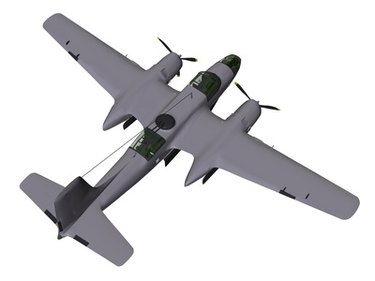
Resin models can be incredibly detailed, but those details can make them intimidating to paint if you don't have a plan. Not all resin model kits come with good instructions or detailed painting guidelines, which can end with you stripping and re-painting the model, or even disassembling it. Also, hobby stores carry a dizzying array of paints, including enamel, acrylic and oil, along with brushes designed for each type of paint. That's why the most important part of painting a resin model is planning.
Step 1
File off any flash, thin strips of resin left along the edges of the model, or mold injection points. Repair any damage using modeling putty. Check the kit instructions for special preparation requirements.
Video of the Day
Step 2
Clean the model in a sink or bucket of mild soap and warm water to remove any mold release agent.
Step 3
Lay out the paints for your color scheme. The base coat color will subtly affect the model's final appearance, so choose a white or light gray primer for models with bright colors, such as lifelike humans, race cars or superheroes. Use darker primer for buildings and military vehicles.
Step 4
Spray a thin, even base coat of primer while turning the model to ensure full coverage. Spray a large model in sections and a smaller model, such as a figure, in one pass. Spray for no longer than two seconds at a time, and always keep the spray moving.
Step 5
Let the model air-dry completely out of direct sunlight. Depending on temperature and humidity, this could take as little as an hour or as long as a full day.
Step 6
Paint the broadest area of the model with a basic color using a small, flat brush. The brush should be small enough to fit into any nooks and crannies, but large enough not to leave too many brush marks.
Step 7
Dab a small quantity of the first basic color onto the palette. Add 1/10 this amount of black or dark paint on one end of the basic color paint.
Step 8
Dip a paintbrush into the appropriate thinner and allow a few drops to fall onto both colors. Mix the paints and thinner with a toothpick to create a slightly darker shade of the basic color. Add more thinner, one drop at a time, until this shadow color flows smoothly and looks slightly transparent.
Step 9
Load a small brush with the shadow color. Use light strokes to paint the deeper edges of the area you have already painted, leaving the highest points with the original color.
Step 10
Mix a little more black with the shadow color. Paint the deeper edges of the model with this darker color. Continue darkening the shadow and painting the deeper parts of the model until the whole section is shaded.
Step 11
Paint each additional section of the model using the same techniques, with the basic paint color on the highest surfaces and shadow colors in the deeper nooks. You don't have to wait until each section has dried before moving to the next section.
Step 12
Paint details and outlines with a small round brush.
Step 13
Set the model in a protected spot with good air circulation until it is completely dry, up to a full day.
Step 14
Spray on a clear top coat or lacquer to protect the model. Glossy lacquer will give a shiny, polished finish suitable for a showroom model. Matte lacquer will let more of your color come through and is more appropriate for a weathered or realistic model.
Tip
You can use white paint to create a highlight color, but this may change the basic hue of the paint.
Warning
Spray primer and top coat only in a well-ventilated area. Avoid directly breathing the fumes. Follow all safety warnings on the product label. Resin models can be delicate. Handle all pieces carefully and never try to force pieces to fit together.
Video of the Day