

How to Blend Cut in Paint

Cutting in the edges of a room is an essential step in painting the interior of a home. Homeowners "cut in" by running a line of paint around the edges of the wall with a paintbrush. This saves the homeowner time later because they can quickly cover the rest of the wall with the paint roller. It is a also necessary because the paint roller does not allow enough control to cut in the edges without potentially also painting the trim. When done correctly, the cut in paint blends nicely with the rolled on paint in the main area of the wall.
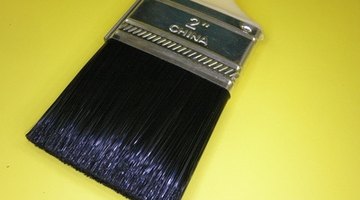
-
Open all the paint cans for the room. Pour the paint from the cans into one large bucket, provided of course all of the paint is supposed to be the same color.
-
Mix the paint together thoroughly with a paint stick. One mistake many homeowners make is cutting in with paint from one paint can and rolling on the larger areas with paint from another can. Even if you get the exact same color from the paint store, there will be slight variations. Mix all cans of paint for the room together to maintain a nicely blended cut-in line.
-
Place drop cloths on the floor beneath the wall you are going to paint. Tape off any areas of the wall that you do not want to get paint on with painters tape.
-
Dump a small amount of the mixed paint into a bucket. Begin cutting in around the edges of the room using a paintbrush. The paint you use will have been taken from the large back of paint you mixed in the previous step. Work in a small area at a time.
-
Dump a small amount of the mixed paint into a paint tray. Dip a paint roller into the paint. Spread the paint onto the wall in a "W" like pattern. Spread the paint over the wall, blending the paint with the cut in paint. Do this while the cut in paint is still wet. Alternate between cutting in and spreading paint on the walls. This will ensure that the cut in paint stays wet until you can blend the edge with the paint on the main area of the wall.
References
Tips
- Cover the paint roller completely with paint before rolling it on the wall. This is important because you need to use enough paint when you are applying paint with the roller. Most people apply paint more thickly with a paintbrush than with a paint roller. To keep the two areas looking consistent, apply the paint as thickly as it was applied with the paintbrush.
Writer Bio
Cadence Johansen is a freelance writer who enjoys writing about travel, marriage, family relationships, caregiver support, home improvement and money. Johansen has been writing professionally since 2008. She holds a master's degree in family studies from Utah State University.
Photo Credits
- paint brush 2 image by jimcox40 from Fotolia.com
More Articles

