

How to Make Math Fun for Kids. Math can be either a really fun subject to teach-or really boring. It doesn't have to be boring though, since it's the easiest subject to "spice up" for the kids-by simply relating it to their lives. Here are some tips for spicing up your math curriculum in class.
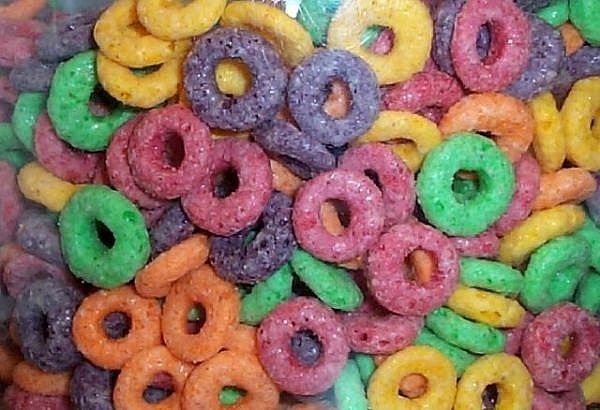
Give the kids real-life objects to count rather than the same old plastic teddy bears they have been counting all year. Kids love counting objects that they are familiar with, like cereal or funny-shaped pasta.
Use real money (if possible) when teaching about money. I use real money when teaching my kids about the value of each coin instead of the cardboard cutouts that are normally used.
Use sports statistics to teach formulas and statistics. Have the kids use the sports page to calculate winning percentages and batting averages.
Relate the math to the kids' real life interests. Kids love to eat snacks. Allow them to use edible items such as popcorn or M&Ms and enjoy it at the end of the lesson. I teach a program called "Yummy Math," which stresses using edible materials. The kids love it!
Create fun word problems for the kids to solve. Place the kids' names in the word problems and use real life experiences in the math problems such as "Brian had 3 lunches on the field trip and lost 2."
Instead of measuring everything in inches and centimeters, use some fun, edible manipulatives to measure items, such as marshmallows or licorice.
About the Author
Kurt began his teaching career in 1995 and immediately starting looking for ways to update the traditional kindergarten curriculum. His model was simple: Build a theme around what 5-year-olds like to do and create activities around those themes. His teaching style offers fun and creative curriculums that allow children to explore and learn on their own while adhering to state academic standards. Kurt created Rock and Roll Kindergarten as a “rebellious” alternative to traditional practices.