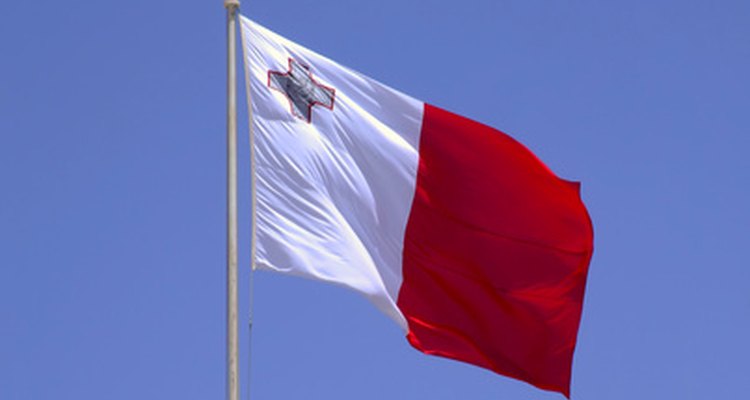
To trace family history in Malta, you will need to start by collecting as much information about your family as possible, probably going back many years. Malta was originally inhabited by farmers from Sicily in 4000 B.C. and 2,000 years later by people from the south of Italy. The first Maltese immigrants arrived in the U.S. in the middle of the 18th century. Most went to New Orleans and were mistakenly thought to be from Italy. In the 20th century, Maltese emigration to the U.S. increased, with the majority settling in Detroit; Astoria, New York; Chicago and San Francisco.
Collect information about your family members. Write down birth dates, birth locations, maiden names, death dates, children and wedding dates. Start with the person closest to you, like a parent or grandparent, and go back from there. Ask family members questions about the family.
Check ship passenger lists for the United States and Canada. If you only have the names for family members that immigrated or descended from immigrants, try to find the first family member that left Malta. Finding these names can open up many more avenues of information to follow and gives you a starting point for beginning a search of records in Malta.
EllisIsland.org has 25 million records for immigrants online. The National Archives also has passenger lists that you can search online. Don't forget to also look for people listed as originating in Italy, Sicily or Sardinia, as they could actually be from Malta. These records can give you the town where the person came from, allowing you to know where to search next
Search records in Malta. The records you want to look for are church parish records, birth certificates, death certificates and marriage certificates. Malta has relatively good records, with many church records dating back to the 15th Century.
Get church records by contacting the parish for the Maltese town where your relative came from. The church will often have baptismal, marriage and death records. These records can give you information on birth dates and other family members. Maltadiocese.org lists Malta's parishes, when they first became a parish and the current contact information.
Go to the National Archives in Rabat, Malta. There you will find centuries of records for property, prisoner lists and births. National Archive staff won't carry out research for you, but they will help you learn how to use the research tools available.
Contact the Public Registry. It holds birth, death and marriage records from 1863 and you can order them online.
Related Articles

How to Find Out Where Your Family Came ...

How to Find Your Dad That You Have ...
How to Trace the History of a Name

How to Find People Who Live in Dublin, ...

How to Find School Records for Family ...

How to Trace Your Family Tree for Free
How to Find Ancestry in Singapore
How to Find Old Friends From Elementary ...
How to Find Lost Relatives
How to Find a Telephone Number in New ...

How to Search for Relatives in Other ...
How to Find Someone in Scotland
How to Find Someone by the Town That ...
How to Find Out If a Relative Was a ...
How to Find a Deceased's Last Known ...
How to Search for Japanese Ancestors ...
How to Find an Ex-Husband

How to Tell People That Someone Died
How to Find Wedding Announcements in ...
How to Find a Roll Number on the Dawes ...
References
Resources
Writer Bio
Siobhan Russell has been freelance writing for the Internet since 2003. She has written articles covering a variety of subjects for Travelwand, Yellow Pages and eHow. Siobhan has a particular interest in writing travel and equestrian articles. She has a BA Honors in History and Philosophy from National University Ireland, Maynooth.
Photo Credits
flag of malta image by FotoWorx from Fotolia.com