
Overview
If you want to truly despair at the state of humanity in the 21st century, you only need to read through a list of some of the most common passwords. In a world where your bank details are scattered across the corners of the Internet with little other than your email address and a short string of characters for protection, it seems extremely reasonable to take care over what those characters are. But people don’t. 14 percent of internet users have a password from the ten most commonly used ones, and almost 80 percent have one from the 500 most common. If we treated home security as carelessly as online security, we not only wouldn’t lock our doors, we’d leave them wide open and pile as many precious and prized possessions as possible in the hallway. As well as stirring a deep despair, these passwords also offer a terrifying look into the inner workings of the mind of their creators, perfectly capturing that moment when we look deep into our minds for something memorable, but not mind-bogglingly moronic...
\#1 – Password
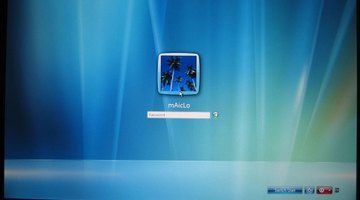
This is a classic, and seems too obvious to even mock until you learn that 4.7 percent of people use it. If you see a box asking for a password and all you do is copy down the word password, you need to take serious stock of your life. You should be happy that you’ve successfully understood what was being asked of you, but this is the online equivalent of leaving your front door key under the welcome mat in front of your house. You probably do that as well, don’t you?
- If you want to truly despair at the state of humanity in the 21st century, you only need to read through a list of some of the most common passwords.
- As well as stirring a deep despair, these passwords also offer a terrifying look into the inner workings of the mind of their creators, perfectly capturing that moment when we look deep into our minds for something memorable, but not mind-bogglingly moronic...
- This is a classic, and seems too obvious to even mock until you learn that 4.7 percent of people use it.
\#2 – 123456...
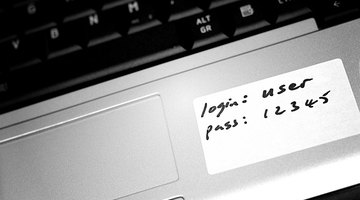
123456 is the most common variant, but some count a little further, up to 8 or 9. The up-to-6 version actually overtook “password” as the most common password in 2013, and arguably conveys an equivalent level of blockheaded idiocy. You can count, yes, but this isn’t the place to demonstrate that skill. The only explanation is that you don’t trust your ability to remember anything, and probably have a long list of reminder notes in your phone that you always forget to check, an annotated calendar (with day-to-day appointments and events filled in, not just birthdays) and any complicated numbers (work logins and alarm codes, for example) written down somewhere on your person.
- If you were trying to break into somebody’s online account, but were getting a little frustrated, this seems like the sort of thing you’d type in exasperated resignation.
- Whilst the message behind the password is probably a wise approach with online security, the fact that this is in the 25 most common passwords kind of nullifies the sentiment.
- “
- 123456 is the most common variant, but some count a little further, up to 8 or 9.
- The only explanation is that you don’t trust your ability to remember anything, and probably have a long list of reminder notes in your phone that you always forget to check, an annotated calendar (with day-to-day appointments and events filled in, not just birthdays) and any complicated numbers (work logins and alarm codes, for example) written down somewhere on your person.
\#3 – qwerty

This is like 123456 but with letters – the top line of the keyboard written with one lazy stroke of the finger. The only problem is that this is also how the particular keyboard layout is identified (and it’s in the dictionary), so isn’t exactly a challenging one to guess. If this is your password, you have a complete lack of faith in your own memory and a lax attitude to online security, but take some pleasure in the simplicity of your approach. You’re slightly cheeky, but hardly the most imaginative person in the world.
\#4 – let me in

If you were trying to break into somebody’s online account, but were getting a little frustrated, this seems like the sort of thing you’d type in exasperated resignation. But in reality, this is in the top 20 most common passwords we use. That must mean there are a lot of people who long for a more simplistic relationship with computers, one where we bark orders without having to come up with anything resembling an actual password. Faced with a request for a password, these are the people who want to yell “Let me in, dammit!” while shaking the monitor rather than type out eight characters or so.
- If you were trying to break into somebody’s online account, but were getting a little frustrated, this seems like the sort of thing you’d type in exasperated resignation.
- Whilst the message behind the password is probably a wise approach with online security, the fact that this is in the 25 most common passwords kind of nullifies the sentiment.
- “
\#5 – trustno1

Someone who uses “trustno1” as a password is a unique combination of paranoid and careless. Whilst the message behind the password is probably a wise approach with online security, the fact that this is in the 25 most common passwords kind of nullifies the sentiment. “I trust no-one, yet I’m quite happy to guess a password you could find out by spending five minutes Googling common passwords.” It’s the sort of person who’d wear a tin foil hat to prevent people reading his thoughts but simultaneously operate a tell-all blog about his day to day life.
- If you were trying to break into somebody’s online account, but were getting a little frustrated, this seems like the sort of thing you’d type in exasperated resignation.
- Whilst the message behind the password is probably a wise approach with online security, the fact that this is in the 25 most common passwords kind of nullifies the sentiment.
- “
\#6 – [insert site name here]

Much of the common passwords information comes from the hackers who seized 38 million Adobe users’ passwords, so it’s hardly surprising that “adobe123” is among them. Perhaps it’s the simplest method to have a unique but impossible to forget password for every site you use, suggesting a person with the same general lack of memory (or confidence in it) as the “password” and “123456” crowd, but with a little more common sense. OK, just a teeny tiny bit more common sense...
- Much of the common passwords information comes from the hackers who seized 38 million Adobe users’ passwords, so it’s hardly surprising that “adobe123” is among them.
- Perhaps it’s the simplest method to have a unique but impossible to forget password for every site you use, suggesting a person with the same general lack of memory (or confidence in it) as the “password” and “123456” crowd, but with a little more common sense.
- If you were trying to break into somebody’s online account, but were getting a little frustrated, this seems like the sort of thing you’d type in exasperated resignation.
- Whilst the message behind the password is probably a wise approach with online security, the fact that this is in the 25 most common passwords kind of nullifies the sentiment.
- “
\#7 – football

This is a password written by somebody with one dominant hobby. It’s draped in a manly, competitive air but pursued with the level of intensity you’d associate with an absolute uber-nerd arguing about the scientific inaccuracies in the Marvel universe. If you’re using “football” as your password, your main interest clouds your mind so much that you can’t even think of an alternative that might not be so mind-numbingly obvious. “Right, everyone knows I love football, so how could I keep people from accessing my accounts? Make my password “crochet”? No! I’ll just make the name of my primary interest my password! It’s impenetrable!”
- If you were trying to break into somebody’s online account, but were getting a little frustrated, this seems like the sort of thing you’d type in exasperated resignation.
- Whilst the message behind the password is probably a wise approach with online security, the fact that this is in the 25 most common passwords kind of nullifies the sentiment.
- “
\#8 – [insert insult here]

Akin to the “trustno1” but with some added gusto, the person who uses an insult for a password (from “bite me” to ones that can’t be repeated in polite company) shows some concern that people may steal or guess their password, but doesn’t use that energy to come up with something complicated. Instead, the one line of defence they have – the few characters which guard their personal information – is used to insult the person who they’re trying to keep out. It’s a bizarrely admirable attitude: “if you crack my password, I’ll at least get one insult in before you order every single Amazon item you can buy using my bank balance,” like using your opportunity to speak your final words as a chance to spit in the fact of your executioner.
- Akin to the “trustno1” but with some added gusto, the person who uses an insult for a password (from “bite me” to ones that can’t be repeated in polite company) shows some concern that people may steal or guess their password, but doesn’t use that energy to come up with something complicated.
- If you were trying to break into somebody’s online account, but were getting a little frustrated, this seems like the sort of thing you’d type in exasperated resignation.
- Whilst the message behind the password is probably a wise approach with online security, the fact that this is in the 25 most common passwords kind of nullifies the sentiment.
- “
\#9 – asdfgh
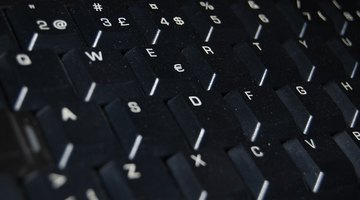
This is a smarter version of the “qwerty” approach; using the second row of letters instead. Of course, if someone is determined they’d probably stumble across the answer, but at least people who use this password take a decisive step away from the obvious. They’re still lazy and have no faith in their ability to remember a single specific word, but at least they’re a little sharper than others.
- If you were trying to break into somebody’s online account, but were getting a little frustrated, this seems like the sort of thing you’d type in exasperated resignation.
- Whilst the message behind the password is probably a wise approach with online security, the fact that this is in the 25 most common passwords kind of nullifies the sentiment.
- “
\#10 – secret

It may be a secret, but it’s not a very difficult one to work out. You can imagine the person trying to work out what secret word they could use that they’ll always remember; repeating “something secret” to themselves until they have what seems like a genius idea. “Secret” can be the secret word! This definitely suggests the person is inventive, but since it’s a stupidly common password they must be inventive in the same way as millions of other people in the world. They’ve probably had loads of unique ideas but then found out they’ve already been used or investigated long before they were even born.
- If you were trying to break into somebody’s online account, but were getting a little frustrated, this seems like the sort of thing you’d type in exasperated resignation.
- Whilst the message behind the password is probably a wise approach with online security, the fact that this is in the 25 most common passwords kind of nullifies the sentiment.
- “
\#11 – aaaaaa

There two distinct possibilities for the sort of person who uses “aaaaaa” as a password. Either they like to imagine they’re typing out a scream every time they enter their password or they’re just suffering from an extreme case of narcolepsy in which they can’t type out a single word without dozing off with a finger on the keyboard.
- If you were trying to break into somebody’s online account, but were getting a little frustrated, this seems like the sort of thing you’d type in exasperated resignation.
- Whilst the message behind the password is probably a wise approach with online security, the fact that this is in the 25 most common passwords kind of nullifies the sentiment.
- “
\#12 – ncc1701

NCC-1701 is the serial number of the USS Enterprise from Star Trek, putting this individual into the same category as the “football” password-user but with a less widely-followed primary interest. It’s better than just writing “startrek” (which would be more equivalent to “football” and is also commonly used), but still about the simplest reference you could get into a password. The person is probably a little savvier than people using the other passwords on the list, but if they’re really worried about online security they should probably brush up on their Klingon. Qapla’!
- There two distinct possibilities for the sort of person who uses “aaaaaa” as a password.
- The person is probably a little savvier than people using the other passwords on the list, but if they’re really worried about online security they should probably brush up on their Klingon.
- If you were trying to break into somebody’s online account, but were getting a little frustrated, this seems like the sort of thing you’d type in exasperated resignation.
- Whilst the message behind the password is probably a wise approach with online security, the fact that this is in the 25 most common passwords kind of nullifies the sentiment.
- “
\#13 – [Insert date of birth]
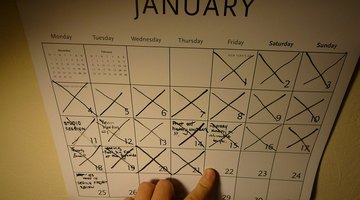
After a slightly more difficult to guess (but still shockingly common) password, we’re back to the sort that anybody who knows you could easily work out. It seems like if you have a friend and you want to get into their account, the options to try are: “password,” “123456” and then their date of birth. Because, seriously? This person clearly trusts the people they know wholeheartedly, but obviously doesn’t recognise the fact that this piece of information is very easy to come by thanks to social media.
- If you were trying to break into somebody’s online account, but were getting a little frustrated, this seems like the sort of thing you’d type in exasperated resignation.
- Whilst the message behind the password is probably a wise approach with online security, the fact that this is in the 25 most common passwords kind of nullifies the sentiment.
- “
\#14 – [Insert name of someone special]

Many of the most common passwords are names, perhaps of family members, friends or partners, and the people with these passwords must be a tad soppier than most of us. Where we write “trustno1” or “bite me,” fuming with anger at the imaginary hacker we’re constantly at war with, these people’s heads are filled with lightness and smiling images of loved ones. They hold people dear, and probably don’t worry about whether their choice is obvious because they don’t believe anyone would so much as try to hack their accounts. After all, that would be mean!
- If you were trying to break into somebody’s online account, but were getting a little frustrated, this seems like the sort of thing you’d type in exasperated resignation.
- Whilst the message behind the password is probably a wise approach with online security, the fact that this is in the 25 most common passwords kind of nullifies the sentiment.
- “
Related: The Internet's most bizarre (unmissable) and useless sites
\#15 – computer

At least the person who uses “password” has made some clear link between what they write and the intended purpose of the word. Using “computer” as your password makes it seem like the way you interact with computers is by writing the word computer into every available space on the screen. You can readily identify these people by their usernames (“computer” and “computercomputer” are two of the most common), or by watching them in their natural habitat. When they want to turn on the TV, do they say “TV” over and over until somebody turns it on? Then their password is probably “computer.”
- If you were trying to break into somebody’s online account, but were getting a little frustrated, this seems like the sort of thing you’d type in exasperated resignation.
- Whilst the message behind the password is probably a wise approach with online security, the fact that this is in the 25 most common passwords kind of nullifies the sentiment.
- “