

How to Monitor Construction Projects

Monitoring construction projects is a multi-faceted task. Depending upon the complexity of the project, more than one person may need to be involved. To effectively monitor any construction project, you should be involved from the start. You need to be there as the project is designed. Offer input and oversight from the beginning all the way through to construction completion. To avoid being overwhelmed with the various phases of the project, follow some helpful suggestions.

-
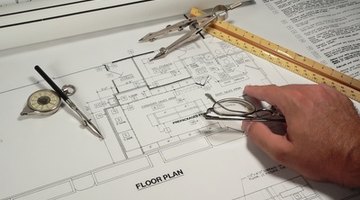
Plan or help plan the project conception/design. Begin by looking carefully and thoroughly at the entire proposed project once it has been drawn. Take the artist's rendering of the project with you to the site where the home, building, bridge or other structure will be situated. Get a fixed visual impression of the finished structure.
-
Break the project into phases. Presuming the project is a business structure, start with permitting. List the various permits required depending on your local building codes. Secure and post them according to regulations. Schedule the regular inspections of each phase with the building superintendent’s office.
-
Draw a time line after talking with the various contractors and securing commitments from each. Break the time line into the different construction phases. Assign each phase a block of time within which to be completed, per your contractor agreements. Write in the contractors to be involved, materials list and labor costs of each phase.
-
Start the construction with site preparation. Plan it sequentially and logically. Schedule tree and underbrush removal. Look at the remaining landscape, once the trees and underbrush have been moved. See what areas need back filling and which need soil removed and relocated.
-
Schedule the contractors to lay out ingress/egress (driveways) and prepare the structure pad (where the structure will actually sit on the prepared lot). As these contractors near completion of their phase, contact the paving company, roofers, steel hangers or carpenters to schedule the framing of the structure.
-
Supervise on-site work daily to keep a diligent eye on the two main concerns, time and money. Keep the project moving forward, making sure each phase is completed ahead of time, or at least on time and within budget. Schedule rough plumbers and electricians, as the paving company and framers near the completion of their phases.
-
Line up dry wall crews, finish carpenters, plumbers, and electricians for interior completion, while setting up the exterior crews of landscapers, painters and signage.
-
As these different phases start to finish, apply for the Certificate of Occupancy (CO), which will be issued upon final inspection by the building inspector. Apply early, or prod the inspector to start preparing it as soon as the project nears completion, since these can sometimes be delayed.



Tip
Stay in close contact with your contractors so that they know that your project is their next job.
Warning
Construction projects require patience, partners and persistence.
References
Resources
Writer Bio
Chuck Brown is a freelance writer and former teacher and athletic coach. He has held professional stints as a business owner, personal fitness trainer, curriculum designer, website designer, market trader and real estate investor. Brown holds a bachelor's degree in English and a master's degree in Christian counseling.
Photo Credits
- construction site image by .shock from Fotolia.com
- construction site image by .shock from Fotolia.com
- planning process image by Chad McDermott from Fotolia.com
- construction site image by itsallgood from Fotolia.com
- o’clock and money image by Petr Gnuskin from Fotolia.com
- senior male with his certificate image by Peter Baxter from Fotolia.com
More Articles

