How to Chimney Sweep Creosote in a Pipe

How to Chimney Sweep Creosote in a Pipe thumbnail
Keep your chimney pipe clean for maximum safety and efficiency.

Save money and maybe a life by removing creosote buildup from your pipes and chimney. Creosote is the name for the unburned carbon by-products produced from burning wood, coal or oil. Creosote buildup is responsible for most chimney fires and costs hundreds of lost lives and many millions of dollars in damage to homes and businesses each year. Professional chimney sweeps often charge hundreds of dollars to thoroughly clean your chimney pipe, but with the proper tools and techniques, removing creosote yourself is not difficult. Does this Spark an idea?

Things You'll Need

  • Tarps or old blankets
  • Ladder
  • Screwdriver
  • Chimney brush
  • Brush handle extensions
  • Rubber mallet
  • Shop-vac or ash vacuum
  • Bucket
Show More

Instructions

    • 1

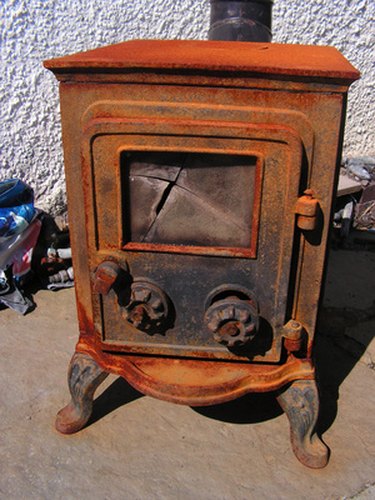
      Spread tarps or old blankets in the area under the chimney pipe cleanout. For a freestanding fireplace using a metal flue pipe for ventilation, the cleanout will be a T-shaped connector pipe behind or slightly above the unit. Woodstoves will typically have this cleanout pipe directly behind the stove. Be sure the fireplace or woodstove is not hot before cleaning the pipes.

    • 2

      Climb the ladder to the roof and use the screwdriver to remove the metal retaining band holding the chimney cap in place.

    • 3

      Bring the chimney brush and extension handles to the roof. The number and length of extensions needed depends upon the length of the chimney pipe to be cleaned. Commercially-available extensions typically range from three to four feet long and can be screwed together with a locking mechanism to form a handle of sufficient length. Thoroughly tighten the extensions so that they do not become disengaged while you are cleaning.

    • 4

      Attach the brush head to the handles, again making sure the connection is tight. Brush heads are available in various sizes and should fit snugly, but not overly tightly, into the pipe opening.

    • 5

      Brush vigorously from the top down, making sure to hit all areas of the pipe. Periodically check the connections on the brush head and handle extensions.

    • 6

      Remove the brush and handle from the flue pipe, disassemble the extensions, and replace the chimney cap, with the retaining band in place.

    • 7

      Return to the fireplace or woodstove cleanout and carefully unscrew the retaining screws holding the trap head in place.

    • 8

      Place the bucket under the trap head to catch the loosened soot and any large chuncks of creosote that have been dislodged during brushing. The metal trap plate will be very tight, so a rubber mallet can be used to carefully remove it from the "T" pipe.

    • 9

      Use the brush and a section of extension handle to clean the pipe from the bottom to remove any remaining creosote. Move carefully so you don't spread soot throughout the area.

    • 10

      Replace the trap plate and reattach it with the screws.

    • 11

      Vacuum the area thoroughly and fold the tarps or blankets carefully before carrying them outside to be shaken clean.

Tips & Warnings

  • Always wait until the flue pipe is cold to the touch before cleaning.

  • Carefully cover everything with tarps or blankets, because soot easily spreads throughout the cleaning area.

Related Searches:

References

  • Photo Credit kamin image by Tina Stumpp from Fotolia.com

Comments

You May Also Like

  • How Do I Hook a Chimney Pipe to a Stove?

    All wood-burning stoves must be connected to a chimney that exhausts outdoors. This connection is made with a thick-walled black stovepipe. The...

  • How to Make Chimney Sweep Broom Props

    From "Mary Poppins" to many other Dickensian stage productions, chimney sweeps need their signature brooms to make the scene authentic. Modern chimney...

  • How do I Assemble a Complete Chimney Pipe?

    Wood stoves have become a popular and economical method for home heating. Installation of the chimney pipe assembly is the final step...

  • Flue Pipe Cleaning

    It is important to clean the chimney regularly because a dirty chimney might escalate into bigger and uncontrollable fires, resulting in loss...

  • How to Remove Creosote From a Chimney

    Creosote is a brown or black tar-like material that sticks to a chimney's walls, flue and hearth. Over time, creosote can build...

  • How to Remove Glazed Creosote

    Glazed creosote, also called Stage 3 creosote, forms when wooden chips, ash and gases combine and stick to the sides of your...

  • How to Remove Creosote From a Metal Roof

    Creosote is a corrosive and flammable by-product of volatile gasses produced by fire which can build up within your fireplace, chimney or...

  • Tools for Cleaning Stove Pipes

    Tools for Cleaning Stove Pipes. A wood-burning stove requires constant care and maintenance.The buildup of soot and grime in its pipes can...

  • How to Clean Stainless Steel Flue Pipe

    Stainless steel flue pipes offer a chemical-resistant and high-temperature solution for exhausting wood stove gases to the outdoors. Over time, creosote and...

  • How to Clean Creosote Buildup in a Chimney

    Cleaning buildup from your chimney should be done once a year. The fall seems to be the ideal time for this, especially...

Related Ads

Featured