How to Plan Healthy Meals in Advance

How to Plan Healthy Meals in Advance thumbnail
A healthy salad can be made with some planning.

Planning to start living a healthy lifestyle can be quite the task. Not only can it be overwhelming because of changes in foods, but it can also be a process that requires determination to stay on track. Planning out healthy meals in advance can be a great step in the right direction. It is not time-consuming or expensive to plan healthy meals in advance and sometimes, the ingredients are already in your kitchen cupboards. Does this Spark an idea?

Things You'll Need

  • Pencil
  • Paper
Show More

Instructions

    • 1

      Look through your kitchen cupboards and cabinets to assess what you already have on hand. Make a list of meats, cheeses, fruits and vegetables that are in the fridge and freezer and check the expiration dates. Often, you will find you have ingredients that can make partial meals, including pasta sauce or casserole.

    • 2

      Plan the first healthy meal of the first week by using items already available and items that will expire. Planning the meals in terms of expiration dates to start will help you avoid wasting foods that are healthy.

    • 3

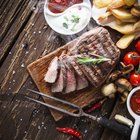
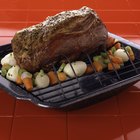
      Choose the healthy meals that will be cooked over the span of one week. In this collection of recipes, include at least one meat dish that can be used twice. Examples include broiled steak, grilled chicken or fish, such as salmon. All of these alternatives can be served hot one night and cold another.

    • 4

      Select the items that go alongside the meats. Try not to think of certain foods as being off limits. Rather, if you experience cravings for salts, sugars or generally unhealthy foods, start by reducing portion size instead of cutting the ingredients completely. Not only will this satisfy your immediate cravings, but it will also lower the intake of these ingredients, which will make it easier to exclude them from your diet in the long run.

    • 5

      Create between six and 10 different healthy recipes. Creating a weekly meal planner can help keep track of which meals should be cooked on what days. According to Meals Matter, most cooks only have a core set of seven to 10 recipes they prepare. Make sure that at least one of these core dishes is one that can be served on two days with different accompaniments.

    • 6

      Plan to cook fish or seafood on the days that are grocery shopping days, so the fish is prepared and consumed when fresh. Freeze the fish after preparation for future use.

    • 7

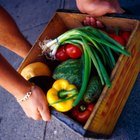
      Mix up fruits and vegetables so your meals do not get boring. While mushroom salad might be one day's accompaniment, tomato and onion salad might be another day's salad. This variation of vegetables will also affect the assortment of vitamins and minerals entering your body. Nuts may also be used in salads, but only in moderation. Despite being crunchy and delicious, nuts do have fat and should therefore only be eaten in moderation.

    • 8

      Purchase the ingredients needed for the first few days of the meal plan. Making a list will ensure that the proper ingredients are purchased and will reduce the impulse purchases of sweets and unhealthy snacks. Stick to the healthy foods, including multigrain breads and pastas, lean meats, boneless and skinless chicken breasts and brown rice.

    • 9

      Create smaller portions. Start by serving on smaller plates, rather than large plates. This trick will make the plate look full rather than scattered and empty. According to Rotary Club's Helpguide website, visual cues can help you determine proper portion sizes. The servings of meats and chicken should only be the size of a deck of cards. A teaspoon of oil or salad dressing should be the size of a matchbook and a regular slice of bread should be the size of a CD case. Sticking to these tricks will help you stay on track and avoid overeating.

Tips & Warnings

  • Keep in mind that cooking double portions of each of these is an alternative, if cooking from scratch is not possible every night of the week. Freezing precooked meals is also an easy and great way of staying to the healthy meals plan.

Related Searches:

References

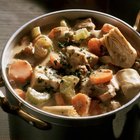
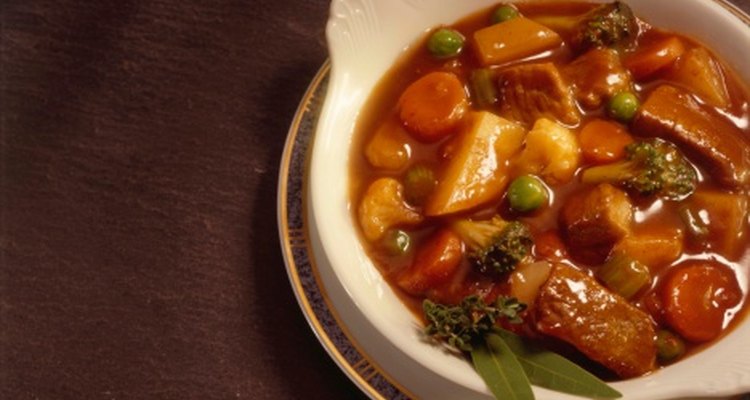
  • Photo Credit Vegetable casserole and vegetables image by Elzbieta Sekowska from Fotolia.com

Comments

You May Also Like

Related Ads

Know Your Knives: Josh Ozersky’s Comprehensive Guide

I have a lot of knives. You probably do too. I really don’t know what to do with them all. There’s a Chinese cleaver, aï؟½

Featured