

How to Repair Faux Finish Wood

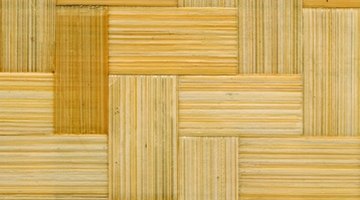
Even when care is taken to properly seal and protect faux finishes, damage can occur. The extent of the damage, as well as the visibility of the damaged area, will determine what kind of repair is necessary. In the case of smaller, less obvious blemishes on faux wood surfaces, spot touch-ups are recommended. Larger, more extensively damaged areas to a faux bois surface will need to be repaired by repainting all flawed panels.
Step 1
Assess the damage to your faux wood surface. Fill in small areas with artist's drawing pencils if damaged area is small. Match color of the wood grain with a shade of pencil. Sketch in pattern of wood grain. Fill in background color of wood with a lighter brown pencil. Seal area with the same kind of varnish used to seal original surface, making sure just to cover repaired area.
Step 2
If a larger repair needs to be done, identify the panel or strip of faux wood where damage occurs. Tape off areas to be repaired with low-tack painter's tape, carefully following original layout of faux bois. Prepare section by scraping any chipping paint and lightly sanding. Select a primer to match type of paint used previously. Do not apply latex paint over a surface that had been painted with oil-based paint in the past. Apply a thin coat of primer.
Step 3
Paint a base coat in light brown in a satin finish, matching color as closely as possible to previous faux wood base coat. Use an oil-based paint over an oil-based primer and a latex paint over latex-based primer. Allow base coat to dry.
Step 4
Mix glaze to match darker lines of wood grain, using 1 part artists paint to up to 6 parts glazing liquid. Apply glaze with a paintbrush in a smooth, even layer. Slowly drag another wide, stiff brush through it, following the direction of the grain of wood. Allow any unsteadiness in your hand to create the natural variations of wood grain. Drag your brush through the glazed area a few times if you want to make grain less pronounced.
Step 5
Apply one or more layers of glaze, depending on the complexity and color of the faux wood to be matched. Use a transparent layer of glaze to add warm or cool tones to match the original surface, if necessary. Varnish repaired area, using the level of sheen as the surrounding surface.
Step 6
Carefully remove tape. Fix any areas where paint or glaze seeped under tape with a small blade or putty knife. Wash all tools and brushes; use paint thinner and rags for oil-based paints and soap and water for acrylic-based paints.
References
Writer Bio
Fiona Fearey has an undergraduate degree from Temple University and a master's degree from New York University. She has been a freelance writer and editor for over five years. She has written for Pluck on Demand and various other websites. Other professional experience includes education, the arts and decorative painting.
Photo Credits
- texture of a natural wood image by Sergey Galushko from Fotolia.com
More Articles

