How to Grow Hothouse & Indoor Vegetables
Both hothouse (heated greenhouse) and indoor vegetables have a warmer environment during cool seasons than vegetables grown outdoors. Many vegetables grow well outdoors in most summer climates. By imitating ideal outdoor growing conditions indoors or in hothouses, gardeners can grow summer vegetables year-round or start vegetables earlier in the spring to transplant outdoors when it warms up outside. Does this Spark an idea?
Things You'll Need
- Hothouse or indoor growing space
- Vegetable starter plants
- Water
- Loamy soil
- Fertilizer (5-10-10 or 10-10-10 ratio depending on the plant variety)
Instructions
-
How to Grow Hothouse and Indoor Vegetables
-
1
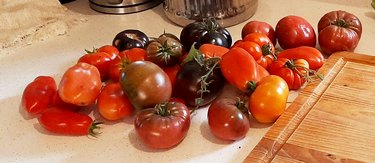
Peas grow well in pots indoors or in greenhouses. Choose vegetable varieties that grow well in pots. Beans, beets, kale, eggplant, cucumbers, peppers, peas, lettuce and tomatoes grow well in pots, according to the National Gardening Association. Most other vegetables can grow in pots but are more difficult to grow. Many herbs also grow well in pots. Choose starter plants or seeds that will fit well in the indoor space or hothouse space. It may be difficult, for example, to grow a large squash plant in a small indoor space.
-
2
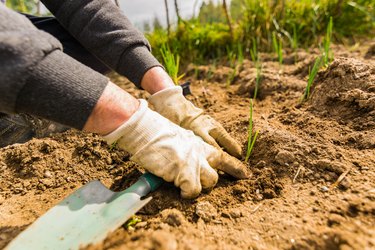
Plant seeds or starter plants in loamy soil. Plant the seeds or starter plants in pots. Heavy clay soils do not provide good drainage or aeration for vegetable roots, according to the National Gardening Association. Choose a loamy potting soil mix to plant vegetable starters or seeds. Space the plants or seeds just like their instructions say to space them outdoors.
-
-
3
Place plants near windows that get full sun. Place the pots in an area that gets full sun. According to the National Gardening Association, vegetables grow best with at least six hours of direct sunlight per day.
-
4
Do not place indoor plants above heaters or vents. Be careful to place indoor plants away from drafts, vents, heaters and cold window glass. The University of Illinois warns that extreme temperature changes may damage houseplants.
-
5
Potted plants require more waterings than outdoor plants. Water plants regularly. Potted plants dry out quicker than outdoor vegetables, according to the National Gardening Association. Plants in small containers may even need waterings as frequently as twice per day. Check the soil regularly and water vegetables any time the soil beneath the surface dries out.
-
6
Fertilize the vegetables regularly. The National Gardening Association warns that potted vegetables need more regular fertilizer applications than outdoor plants. Washington State University provides an informative vegetable fertilizer guide, which recommends a 5-10-10 fertilizer for beans, broccoli, Brussels sprouts, cabbage, carrots, celery, cucumbers, melons, parsnips, peppers, potatoes, pumpkins, rhubarb, squash and tomatoes. It suggests a 10-10-10 fertilizer for beets, Chinese cabbage, lettuce, okra, onions and spinach.
-
1
References
- National Gardening Association: Vegetables and Herbs in Containers
- National Gardening Association: Vegetable Gardening 101
- University of Illinois Extension: Houseplant Needs
- National Gardening Association: Vegetables and Herbs in Containers (cont)
- Washington State University Spokane County Extension: Vegetable Fertilizer Guide
- Photo Credit greenhouse image by tofuwarrior from Fotolia.com sweet pea seed pod image by Alison Bowden from Fotolia.com plant pot image by Allyson Ricketts from Fotolia.com sun image by Sfetcu Andrei from Fotolia.com Heizung image by nizo from Fotolia.com watering can and pot image by JJAVA from Fotolia.com